


A piano can look magnificent in a photograph and still arrive with a loose pinblock, tired action parts, hidden soundboard damage, or a tone that does not suit the player. That is the practical answer to why buy from a piano dealer: a serious piano is not simply furniture with 88 keys. It is a complex acoustic instrument, and the quality of the buying process matters as much as the name on the fallboard.
For a first-time buyer, a family investing in a student’s progress, or a collector seeking a distinctive vintage grand, the right dealer brings clarity to a purchase that can otherwise feel uncertain. You gain access to curated inventory, informed advice, technical accountability, and the services that help a piano perform as it should after it reaches your home, studio, church, or performance space.
Why Buy From a Piano Dealer Instead of a Private Seller?
Private listings can be appealing. The asking price may be lower, the piano may be nearby, and a rare model can occasionally appear at exactly the right moment. For buyers who already have deep technical knowledge, a trusted independent technician, and the ability to manage transport, a private sale can be worth considering.
But the lower sticker price is not always the lower ownership cost. A piano that has been neglected can require regulation, voicing, tuning, repairs, humidity control, replacement parts, or significant restoration. Those needs are not always obvious during a short visit. Even a piano that plays well for ten minutes may reveal uneven touch, slipping tuning pins, pedal issues, or tonal inconsistencies once it is examined properly.
A specialty dealer reduces those unknowns. The instrument is evaluated before it is offered, and the seller has a reputation to protect after the sale. Rather than asking a homeowner to explain a piano’s history from memory, you can speak with professionals who understand condition, construction, brand differences, and the realistic needs of the buyer.
Condition Is More Than a Cosmetic Impression
A polished cabinet, clean keys, and a recognizable brand name are not a complete condition report. The musical life of an acoustic piano depends on its internal structure and moving components: the soundboard, bridges, strings, pinblock, action, hammers, dampers, key bushings, pedals, and more.
An experienced dealer can explain what has been inspected, serviced, repaired, or restored. That distinction matters, especially with premium used and vintage instruments. A vintage Steinway may offer extraordinary character and craftsmanship, but its value depends heavily on how it has been maintained or rebuilt. A Yamaha or Kawai may be known for consistency and durability, yet its present condition still depends on climate, use, and care.
The goal is not to avoid every piano with age or history. Some of the most compelling instruments have both. The goal is to understand what you are buying and whether its condition supports the sound, responsiveness, and ownership experience you expect.
The Right Piano Is Personal
Technical quality is essential, but it does not decide the purchase alone. Two well-prepared pianos can feel very different under the hands. One may have a bright, clear voice suited to contemporary playing and ensemble work. Another may offer a warmer, more complex tonal palette that appeals to a classical pianist or collector.
A dealer helps translate broad preferences into practical choices. Consider the player’s level, repertoire, room size, design preferences, budget, and long-term goals. A serious student may benefit more from a responsive upright or conservatory-quality grand than from a larger but poorly maintained instrument. A church may prioritize projection, reliability, and service access. A collector may be searching for a particular scale design, finish, period, or maker.
This guidance is valuable because a piano purchase should not be driven by size or prestige alone. The best instrument is the one that invites the player to sit down and make music consistently.
A Curated Selection Saves Time and Reduces Risk
Buying through scattered private listings often means comparing instruments with no common standard of preparation or disclosure. One piano may have been tuned last month; another may not have been serviced in years. One seller may know the serial number and maintenance history; another may only know that the piano came with the house.
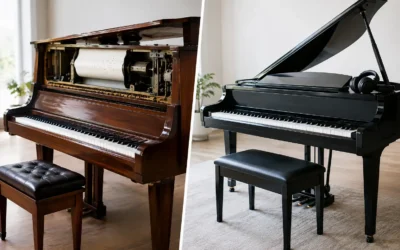
A dealer creates a more useful comparison environment. You can explore different sizes, brands, eras, finishes, and price points in one place, with knowledgeable context around each option. This is especially helpful when choosing between a grand and upright piano, comparing premium brands, or deciding whether a restored vintage instrument fits your goals better than a newer model.
At A440 Pianos, buyers can evaluate a broad inventory that includes grand, upright, vintage, specialty, and electronic pianos. That depth creates better choices. You are not being forced to make one available instrument fit every need.
Safe Moving Is Part of the Purchase, Not an Afterthought
A piano is one of the most demanding household items to move. Weight, balance, stairs, tight turns, flooring, weather, and vehicle loading all present risks. Improper handling can damage the cabinet, legs, pedals, action, strings, or the property itself. A grand piano requires specialized disassembly, protection, transport equipment, and reassembly by people who understand the instrument.
A piano dealer can coordinate professional moving and delivery rather than leaving the buyer to locate a general moving crew after the purchase. That coordination matters whether the piano is traveling across Atlanta, across Georgia, or farther across the country.
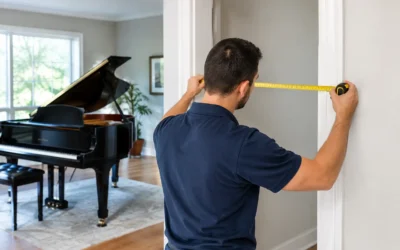
Delivery should also be considered early in the selection process. Measure doorways, hallways, staircases, elevator access, and the final room. Discuss the location honestly, including difficult turns or multiple flights of stairs. A professional can advise on feasibility and expected cost before moving day becomes a surprise.
Service Support Protects the Instrument After Delivery
Every acoustic piano needs tuning, and most benefit from periodic maintenance beyond tuning alone. Changes in humidity and temperature affect pitch and regulation. Daily practice gradually compresses hammer felt and changes the action. A piano that is moved often needs time to settle before its first tuning in the new location.
When you buy from a full-service dealer, you have a clear point of contact for tuning, repair, restoration, and ownership questions. That continuity is particularly valuable for families and institutions that do not want to build a separate network of movers, technicians, and restoration specialists after making a major purchase.
Service also helps preserve resale appeal. Documentation of ongoing care, thoughtful repairs, and proper climate management supports the long-term condition of a piano. No dealer can promise that every piano will appreciate in value, because the market varies by brand, model, condition, and demand. Still, careful ownership gives a quality instrument its best chance to remain musically and financially desirable.
Financing and Clear Costs Support Better Decisions
A premium piano is a meaningful investment, and the ideal instrument may cost more than a buyer planned to spend immediately. Financing options can make a higher-quality piano attainable without pushing the decision toward a lower-grade instrument that will need replacement too soon.
The key is to look beyond the monthly payment. Ask about the full cost of ownership, including delivery, tuning after delivery, accessories, possible climate-control needs, and future maintenance. A transparent dealer should help you understand those costs without pressure.
Price should also be evaluated in context. An appropriately prepared, serviced piano with professional delivery and reliable support may cost more than an unverified private listing. In many cases, that difference buys confidence, convenience, and a far more predictable first year of ownership.
Questions Worth Asking Before You Commit
A strong dealer welcomes informed questions. Ask about the piano’s age, serial number, condition, service history, restoration work, and any known limitations. Ask what preparation was completed before sale and what services are available after delivery.
You should also ask practical questions: Will the piano suit the room? Is its tone appropriate for the player? What delivery conditions affect pricing? When should it be tuned after arrival? If you are considering a used or vintage instrument, ask how its current condition compares with what is typical for its age and model.
Finally, play it if possible. Listen from the bench and from across the room. Test soft playing, repeated notes, pedals, and the transition between registers. A piano should feel dependable, but it should also create an emotional response. The right one has a way of making practice feel less like an obligation and more like a place you want to return to.
Choose a dealer that treats that decision with the care it deserves, then give yourself the time to find an instrument you will be proud to hear in your home for years.
0 Comments