

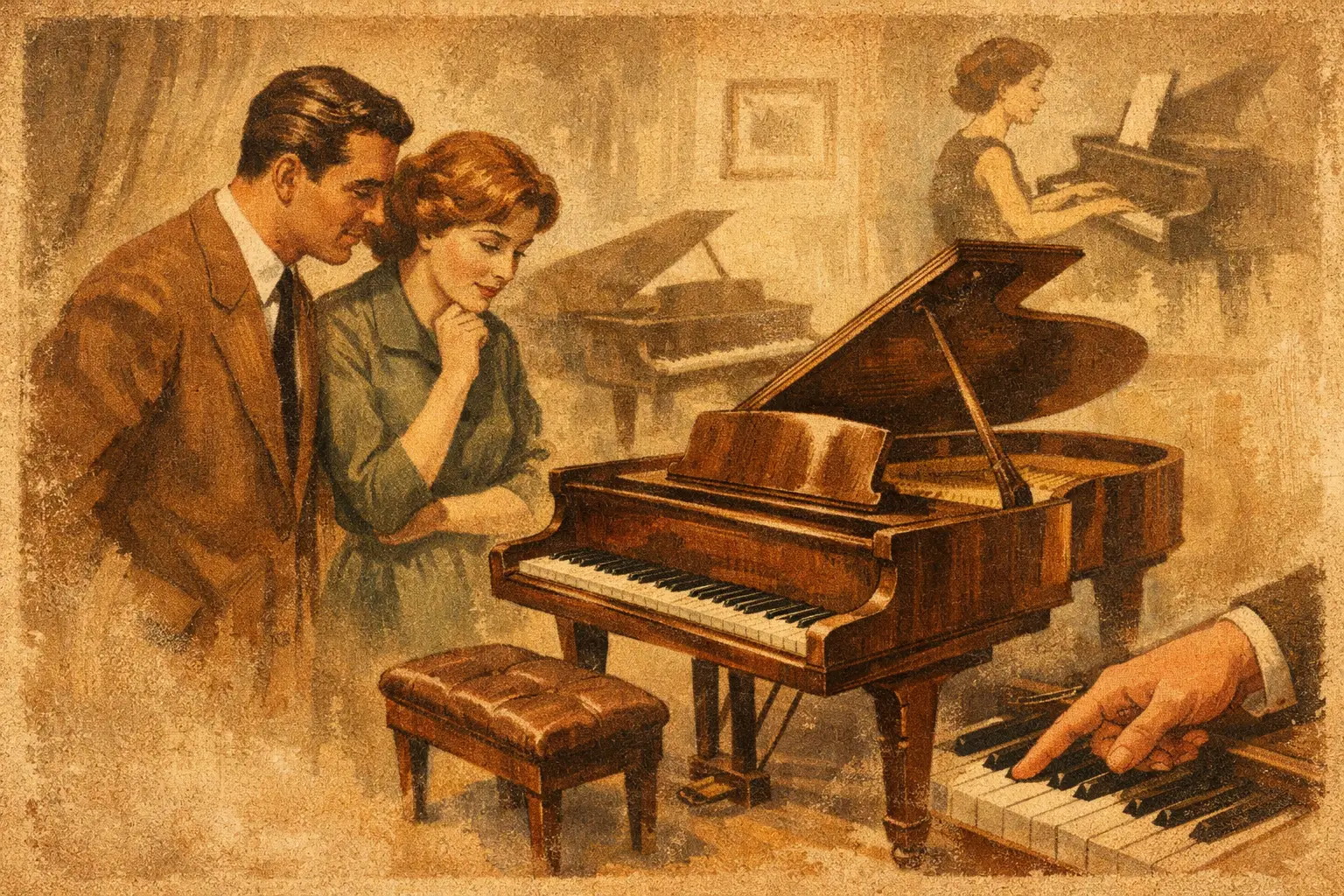
A baby grand piano makes a statement before anyone plays a note. Its silhouette brings presence to a room, but the right instrument must offer more than visual impact. Knowing how to choose a baby grand means balancing musical character, room requirements, condition, and long-term ownership costs. The best choice is not simply the largest piano your space can hold or the most recognizable name on the fallboard. It is the instrument that feels and sounds right for the player, the home, and the years ahead.
Start With the Room, Not the Piano
A baby grand is generally a grand piano measuring about 4 feet 11 inches to 5 feet 6 inches long. That compact footprint makes it a practical choice for living rooms, formal spaces, studios, and smaller performance environments, but the piano still needs room to breathe.
Measure the area with the lid open and the bench in place. Leave enough clearance for the pianist to sit comfortably, for the lid to project sound without crowding a wall, and for technicians to access the instrument. A baby grand can physically fit in a room and still overwhelm it acoustically, particularly in spaces with hard floors, glass, high ceilings, or minimal furnishings.
The floor deserves equal consideration. Most modern homes can support a baby grand, but an upper-level placement, historic property, or unusual flooring plan may call for a professional assessment. Delivery access matters, too. Staircases, tight turns, elevators, and narrow doorways can influence where a piano can be placed and what it will cost to install safely.
Decide What You Want to Hear and Feel
Every piano has a voice. Some are warm and rounded, others are bright, direct, dark, delicate, or powerful. This is where personal preference should carry real weight. A pianist who loves a clear, lively tone may be drawn to many Yamaha instruments, while a player seeking depth, color, and a more traditional European character may prefer certain Steinway or Blüthner pianos. Brand reputation is useful, but no brand name replaces listening to the individual instrument.
Play the piano at soft and loud dynamics. Listen to single notes in the bass, middle, and treble registers, then play chords and familiar passages. Does the tone remain even across the keyboard? Does the bass have definition rather than a muddy rumble? Does the treble sing without becoming harsh? A baby grand has shorter strings than a larger grand, so it may not deliver the bass authority of a 6-foot or 7-foot instrument. For many homes, that trade-off is worthwhile because its scale, sound level, and elegance are better matched to the room.
Touch is just as important. The action should feel responsive and controlled, not excessively heavy, shallow, sluggish, or uneven. A serious student benefits from a piano that supports nuanced dynamics and repetition. A casual adult player may prioritize a comfortable, inviting touch. Either way, a piano should encourage practice rather than make every session feel like work.
Bring a Familiar Player or Teacher
If you are buying for a child, ask their teacher to join the evaluation when possible. If the piano is for your own enjoyment, bring a pianist whose playing you trust. They can reveal qualities you may not yet have the language to describe: uneven regulation, weak repetition, tonal inconsistencies, or a touch that becomes tiring over time.
Spend more than a few minutes at the keyboard. First impressions matter, but an instrument that feels exciting for one song may not be the one you want to live with every day.
New, Used, Vintage, or Restored?
For buyers considering how to choose a baby grand piano, condition is often more meaningful than age. A well-maintained vintage piano from a respected maker can be a remarkable musical and decorative investment. A neglected newer piano can require expensive work before it performs as intended.
Used and restored instruments can offer exceptional value, especially when purchased from a specialized piano retailer that evaluates, services, and stands behind its inventory. Premium older pianos may have superior materials, craftsmanship, and tonal maturity. However, restoration quality varies widely. A polished cabinet alone does not indicate a restored piano.
Ask what work has been completed and what work may still be needed. The piano’s strings, hammers, dampers, action parts, pinblock, soundboard, bridges, and pedals all affect performance and future cost. Cosmetic imperfections can be acceptable if they suit the price and do not bother you. Structural or mechanical problems are a different matter.
A qualified piano technician can provide an independent pre-purchase inspection, particularly for a private-sale instrument. This step is wise when a piano has an uncertain history, has been stored in a garage or basement, or is offered at a price that seems unusually low. Moving, tuning, repairs, and deferred restoration can quickly erase the apparent savings of a bargain purchase.
Match the Piano to the Player’s Level
A first-time buyer does not need to purchase a concert-level grand, but choosing too small or too compromised an instrument can limit a student’s progress. A reliable baby grand with a properly regulated action and stable tuning can carry a beginner through years of study. For an advancing student, educator, church, or studio, greater tonal range and a more refined action become increasingly valuable.
Experienced players often know whether they favor a mellow, singing instrument or one with greater brilliance and projection. Collectors may also consider cabinet style, period, finish, rarity, and provenance. In these cases, the piano becomes both a musical instrument and a distinguished piece of furniture. The right decision may involve accepting a little more maintenance in exchange for exceptional character.
Set a Complete Budget
The purchase price is only one part of baby grand ownership. Plan for professional delivery, a first tuning after the piano acclimates to its new environment, regular tuning, climate-conscious placement, and any service recommended after delivery. Most pianos should be tuned at least twice a year, with more frequent service sometimes appropriate for heavily played instruments, schools, churches, or performance settings.
Avoid placing the piano directly beside a heating vent, exterior door, fireplace, or sunny window. Major swings in temperature and humidity affect tuning stability and can create unnecessary stress on the instrument. A stable environment protects both tone and value.
Financing can make a higher-quality instrument more attainable, but it should support a sensible decision rather than stretch the budget past comfort. It is usually better to purchase a thoroughly prepared used piano from a respected maker than a larger, more visually impressive instrument with unknown mechanical needs.
Evaluate the Seller’s Service, Not Just the Piano
A premium piano purchase should come with professional support. Ask who will move the piano, whether delivery is insured, what preparation has been performed, and how post-sale concerns are handled. Grand piano moving is specialized work. It requires the correct equipment, trained crews, and careful planning to protect the instrument, the home, and everyone involved.
A full-service specialist also provides a clear path for future tuning, repairs, regulation, voicing, and restoration. That relationship matters because a piano changes over time. Even an excellent instrument will need professional care to remain at its best.
At A440 Pianos, buyers can compare a broad selection of premium used, vintage, and specialty instruments while also arranging delivery and ongoing technical service through one experienced team. That level of support is especially valuable for buyers purchasing their first grand or coordinating an out-of-state delivery.
A Final Test Before You Commit
Before making a decision, return to the piano if possible. Play it again on a different day, preferably when the showroom is quieter. Confirm the dimensions, finish, bench, warranty terms, delivery plan, and any included service in writing. If the piano is being shipped, request detailed photos and a clear description of its current condition and preparation.
The finest baby grand for your home will be one you want to play, hear, and care for every day. Choose with your ears and hands first, then let expert service protect the investment that follows.

0 Comments