

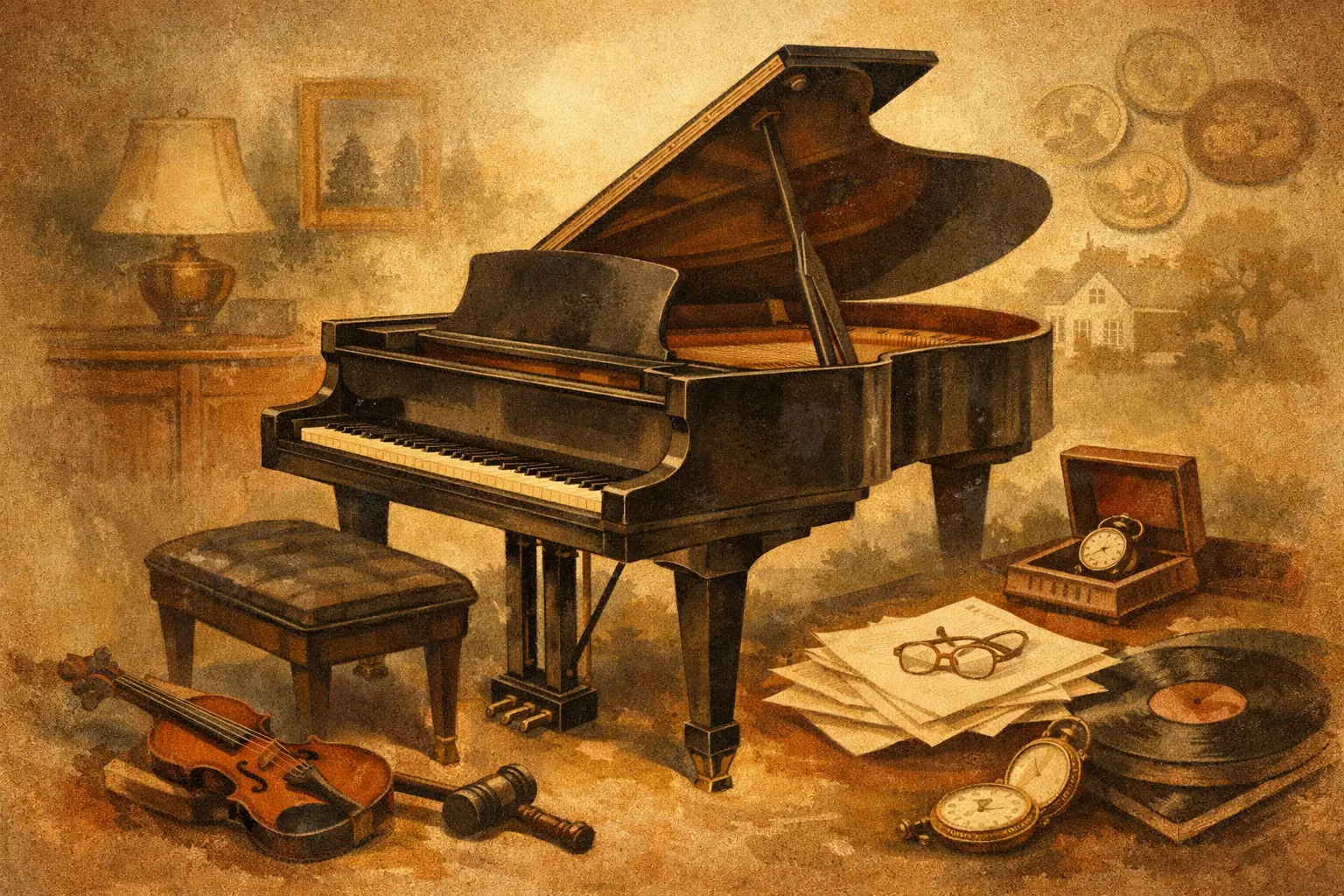
A Baldwin grand can look like a bargain at $4,000 or a strong buy at $24,000, and both numbers can be right. Baldwin grand piano value depends less on the name alone and more on the specific model, scale design, age, condition, rebuild history, finish, and the quality of current musical performance. For buyers, sellers, and families comparing premium used instruments, that difference matters.
What drives Baldwin grand piano value?
Baldwin built a wide range of grand pianos over many decades, and the market does not treat them all the same. A hand-built American performance grand from a respected production era will sit in a very different value category than an entry-level baby grand with cosmetic wear and deferred maintenance.
The first major factor is model. In Baldwin, size is not just a matter of footprint. It often reflects scale design, tonal potential, and buyer demand. A well-prepared 7-foot artist grand will usually command stronger interest than a shorter decorative baby grand, even if both carry the same brand name.
Condition comes next, and it often outweighs age. A 1970s Baldwin grand with excellent soundboard health, stable pinblock, strong bridges, clean action geometry, and fresh service can be worth more than an older piano that looks attractive in photos but needs major work. Buyers at the premium end are not simply shopping for a cabinet. They are shopping for performance, reliability, and long-term ownership confidence.
Geography also plays a role. In major metro markets, especially where there is an active music community, better Baldwin grands tend to sell faster and closer to retail asking prices when they have been professionally inspected and prepared. Private-party pricing is often lower, but that discount usually reflects risk.
The Baldwin models that hold value best
Not every Baldwin grand performs equally in the resale market. The models that tend to hold value best are the larger, more musically ambitious instruments, especially those from stronger American production periods.
Artist grands and performance sizes
Baldwin concert and semi-concert instruments, along with larger studio and home grands, generally carry the strongest long-term interest. These pianos appeal to advanced players, institutions, churches, and buyers who want genuine American grand piano character. When they have been maintained or rebuilt properly, they can offer substantial musical value relative to the price of comparable premium brands.
Mid-size grands with broad buyer appeal
Pianos in the roughly 5’8″ to 6’3″ range often occupy a sweet spot. They fit more homes than a concert grand, yet they usually offer a more satisfying bass and overall scale than a very small baby grand. This category often draws the widest range of serious buyers, which supports pricing.
Small baby grands and decorative demand
Smaller Baldwin baby grands can still be desirable, especially for homes, teaching studios, and buyers who want the visual impact of a grand piano. But this is where value can vary sharply. A polished ebony cabinet may help attract attention, yet smaller grands are more vulnerable to being judged on furniture appeal rather than musical merit. If the action is uneven, tuning stability is weak, or the tone is thin, the market notices quickly.
Age matters, but not in the way many people think
A common mistake is assuming older always means more valuable. With Baldwin, age only becomes an advantage when it is paired with quality manufacturing and proper stewardship.
Many buyers actively seek vintage American-made Baldwin grands because of their scale designs, build quality, and tonal depth. That said, vintage value is not automatic. A piano that has sat untouched for decades may require significant work, including restringing, hammer replacement, regulation, voicing, bridge repair, or even a full rebuild. Those costs directly affect market value.
A newer Baldwin from a less celebrated production period can also face pricing pressure if buyers perceive it as less distinctive. So the question is not simply, “How old is it?” The better question is, “How well was it built, and what condition is it in now?”
Condition categories and what they do to price
When evaluating baldwin grand piano value, it helps to think in tiers instead of one broad price range.
A piano in as-is condition typically sits at the bottom of the market. It may play, but it often needs tuning, regulation, repair, or climate stabilization. Private sellers commonly overprice these instruments because they remember the original purchase cost or assume the brand name guarantees a premium.
A serviced used Baldwin grand lands in a stronger category. This usually means the piano has been cleaned, tuned, adjusted, and made reasonably dependable for home use. It can be a solid purchase, but value still depends on the depth of the work.
The highest category is a professionally restored or rebuilt piano with documented work and strong current performance. If the rebuild quality is excellent, these pianos can command serious prices because they offer vintage character with much better reliability and playability. The trade-off is simple: rebuild quality varies, and buyers should not pay premium numbers without clear evidence of what was done.
Retail value versus private-party value
This is where many buyers get confused. A dealer price and a private-sale price are not supposed to match.
Retail value reflects preparation, inspection, warranty support, selection standards, and often post-sale service. In the premium used piano market, those things are not extras. They are part of the product. A grand piano is a mechanical instrument with thousands of moving parts. The confidence that comes with proper evaluation, safe delivery, and technical support has real value.
Private-party value is usually lower because the buyer assumes more risk. There may be no meaningful inspection records, no service support, and no recourse if the piano arrives and reveals hidden issues. That lower price can make sense, but only if the buyer also budgets for immediate and future work.
For many families and institutions, the smarter comparison is not dealer price versus Facebook Marketplace price. It is fully prepared piano versus unknown project.
Typical price ranges for Baldwin grands
There is no single market price for every Baldwin grand, but broad patterns do exist. Smaller older baby grands in average home condition may trade in the lower thousands, particularly in private sales. Better examples that have been serviced and present well can move into the mid-thousands to low five figures.
Mid-size and larger Baldwin grands with stronger musical performance, desirable American production history, and clean cosmetic condition often sit in a higher bracket. If they have had meaningful restoration or rebuilding, prices can rise substantially. Premium rebuilt instruments may reach levels that surprise buyers who only know Baldwin from lower-end resale listings.
That spread is exactly why model identification and technical assessment matter. Two Baldwin grands that appear similar online can differ in real value by many thousands of dollars.
What buyers should inspect before paying premium pricing
A serious buyer should look past finish shine quickly. Cabinet condition matters, but it should never be the first or only reason a grand piano is priced at a premium.
The critical questions involve structure and performance. Is the soundboard healthy? Are the bridges intact? Does the pinblock hold tuning well? How much life is left in the strings and hammers? Has the action been regulated for consistent touch? Does the piano produce an even, singing tone across the scale?
Rebuild documentation also matters. If a seller describes a piano as restored, ask what that means. Cosmetic refinishing is not the same as a full musical restoration. New keytops and a glossy finish may improve presentation, but they do not create concert-level performance.
This is also where working with a specialist can protect value. A company such as A440 Pianos can help buyers compare Baldwin grands based on actual condition and preparation, not guesswork.
Is a Baldwin grand a good value today?
Often, yes. For many buyers, Baldwin remains one of the more compelling opportunities in the premium used market. A strong Baldwin grand can deliver substantial musical satisfaction, classic American tone, and elegant presence at a price that may sit below equivalent instruments from some higher-profile luxury names.
But the word value cuts both ways. A cheap Baldwin that needs major work is not a deal just because the initial number looks attractive. A more expensive Baldwin that has been inspected, serviced, and prepared may represent better value over time because it reduces risk and performs the way a grand piano should.
For pianists, families, churches, and institutions, the best approach is simple. Judge the individual piano, not the badge alone. Baldwin has produced instruments worth pursuing, instruments worth rebuilding, and instruments worth passing on. Knowing the difference is what protects your investment.
If you are evaluating a Baldwin grand, think beyond price and ask what kind of ownership experience that piano is really offering. The right one will justify its value every time you sit down to play.

0 Comments