

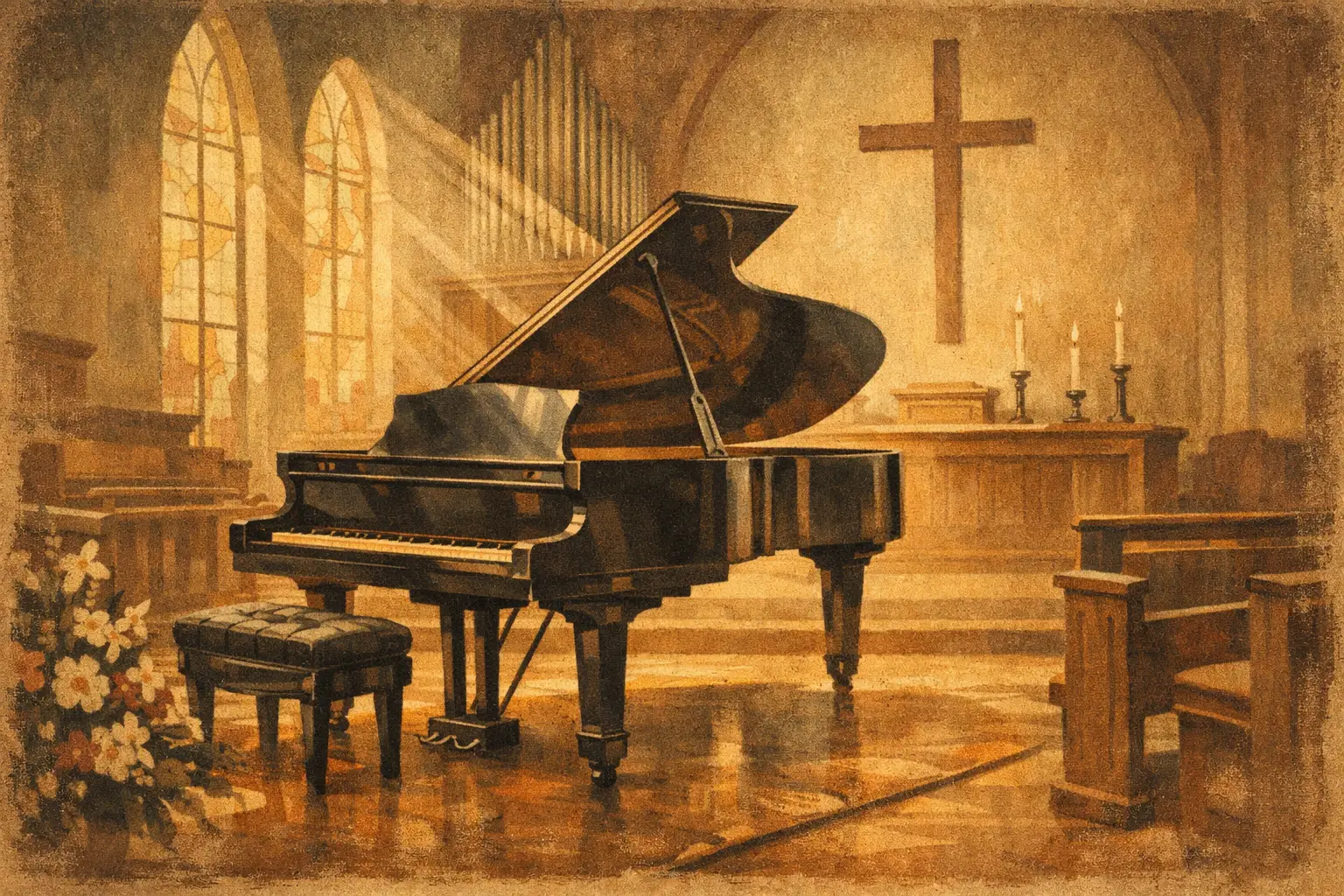
A grand piano for church sanctuary use has to do more than look impressive near the platform. It needs to lead worship gently on Sunday morning, support choir rehearsals during the week, and still carry authority for weddings, funerals, and special music when the room is full. That is a different standard than buying a piano for a home or even a recital studio.
Churches often feel pressure to get this decision right in one step, because the instrument becomes part of the congregation’s musical identity for years. A sanctuary piano is heard in prayerful moments, celebratory moments, and everything in between. When a church chooses well, the result is not only better sound, but greater confidence for pianists, vocalists, and worship leaders.
What makes a grand piano for church sanctuary use different
The sanctuary itself changes the buying process. In a home, buyers usually ask whether a piano fits the room and the budget. In a church, those questions expand quickly. The piano must project into a larger space, respond well to multiple players, and hold up under a more demanding service schedule.
That usually means tone, touch, and scale matter more than cosmetic details alone. A polished ebony cabinet may suit a formal chancel beautifully, but if the action feels uneven or the bass cannot support congregational singing, appearance stops mattering very fast. Churches need an instrument that performs consistently under real ministry use.
The other difference is versatility. Some sanctuaries host traditional hymn accompaniment, others feature choir, praise teams, chamber ensembles, and guest artists. Many do all of it. A church piano has to move comfortably from quiet offertories to full-bodied accompaniment without sounding harsh or thin.
Start with the room before the brand
A sanctuary’s size, ceiling height, flooring, and soft furnishings all affect the piano more than many buyers expect. A smaller grand can sound rich and controlled in a modest chapel, while the same instrument may feel undersized in a large sanctuary with high ceilings and lots of reflective surfaces.
In general, churches should avoid choosing size by appearance alone. A baby grand may look elegant, but in a broad worship space it can struggle to provide the tonal depth needed for choir support and congregational leadership. On the other hand, a very large concert grand can overpower a smaller sanctuary and become difficult to manage dynamically during quieter services.
For many churches, the most practical range is a mid-size to larger grand, often around 6 feet to 7 feet. That range tends to offer a stronger bass foundation, more tonal color, and better projection without requiring a full concert-stage footprint. Still, it depends on the room. Acoustics can make a 6’3″ piano feel ideal in one sanctuary and inadequate in another.
Why projection matters more than sheer volume
Church buyers sometimes describe their need as wanting a piano that is louder. Usually, what they actually need is better projection. A quality grand does not simply produce more sound. It sends sound into the room with clarity and presence, so melody, harmony, and rhythmic support remain distinct even in live acoustics.
That distinction matters during hymn singing and choral accompaniment. A piano that is bright but shallow may seem impressive up close yet disappear in the room. A well-scaled grand with a strong speaking tone will support worship more effectively without forcing the pianist to overplay.
Tone should match the church’s musical style
Not every congregation needs the same tonal character. Some sanctuaries benefit from a warmer, singing tone that blends naturally with voices and strings. Others prefer a clearer, more immediate sound that works well for contemporary worship and ensemble playing.
This is where brand and model family begin to matter, but they should not be treated as shortcuts. Two pianos from the same maker can behave very differently depending on age, condition, restoration quality, voicing, and preparation. A premium used or vintage instrument can be an excellent church piano if it has been properly serviced and regulated. In many cases, it offers higher musical value than buying an average new instrument at the same budget.
Churches also need to think about who will play the instrument. If the piano will be used by multiple accompanists with different training levels, consistency becomes essential. A responsive action with good control across soft and moderate dynamics helps every player, not only the most advanced musicians.
New versus used for a church sanctuary
This is one of the most practical decisions in the process, and there is no single correct answer. A new grand piano offers the appeal of untouched condition and manufacturer support, but the price can move quickly once churches step into larger, performance-capable instruments.
A premium used grand piano for church sanctuary settings often gives buyers access to stronger brands, larger sizes, and more refined tone at a better value. The key phrase is premium used. Churches should be careful about buying strictly on price from a general marketplace seller. A sanctuary piano is not a casual household purchase. It needs inspection, preparation, and confidence in its structural and musical condition.
That is why specialist support matters. Dealers who understand institutional use can help evaluate soundboard health, pinblock integrity, action wear, voicing potential, and long-term service needs. They can also match the right instrument to the church’s room and budget rather than simply moving inventory.
Budgeting beyond the purchase price
A church can make a smart piano purchase and still run into trouble if it budgets only for the instrument itself. Delivery, climate stability, tuning, regulation, and occasional repair should be part of the planning from the start.
Sanctuaries can be challenging environments. HVAC schedules may vary during the week, doors may open frequently, and seasonal humidity shifts can affect tuning stability. A grand piano in a church needs regular professional care, not sporadic attention before Christmas and Easter.
That does not mean ownership has to feel complicated. It means churches benefit from working with a full-service piano partner. When the same source can help with selection, delivery logistics, tuning, repair, and future maintenance, the church avoids the fragmentation that often leads to preventable problems.
Cosmetic presence still matters
Function comes first, but presentation is part of the decision. In a sanctuary, the piano is visible. It sits in wedding photos, livestream frames, and seasonal productions. The cabinet finish, scale, and overall condition contribute to the visual standard of the worship space.
That said, churches should be cautious about overpaying for appearance while compromising on tone and touch. A striking piano that does not inspire confidence from the bench will not serve the ministry well. The best choice is one that presents beautifully and performs at a high level every week.
Questions churches should answer before buying
Before making a final decision, it helps to define how the piano will actually be used. Will it mainly accompany hymns and soloists, or will it also support choir, instrumental ensembles, and guest artists? Will it stay in one place, or need occasional movement within a campus? Is the sanctuary acoustically dry, very live, or electronically reinforced?
It is also wise to identify who has final approval. Music directors, worship pastors, staff pianists, and finance teams may value different things. Alignment early in the process prevents expensive second-guessing later. When possible, the strongest buying decisions happen when musical leadership and administrative leadership are both part of the conversation.
Why preparation and service matter as much as selection
Even an exceptional instrument can disappoint if it arrives without proper setup. Touch weight, voicing, pedal regulation, and tuning all affect how the piano performs in the sanctuary. Churches should expect preparation that is appropriate for worship and performance use, not basic floor readiness.
This is one reason many serious buyers prefer experienced piano specialists over broad inventory retailers. A curated, service-centered approach provides more confidence, especially for institutions that want long-term value instead of short-term convenience. For churches in Georgia and beyond, companies such as A440 Pianos appeal to this need because they combine premium inventory with delivery, technical service, and ongoing support.
A church sanctuary deserves an instrument that can carry reverence, strength, and beauty without compromise. The right grand piano does not call attention to itself at the wrong time. It simply supports the room, the music, and the moment, year after year.

0 Comments
Trackbacks/Pingbacks