


A church piano has to do more than sound beautiful for one player in a quiet room. It must support congregational singing, stay dependable through rehearsals and services, complement other instruments, and continue performing well after years of regular use. The best pianos for churches are chosen with the worship space, musical style, player expectations, and long-term care plan in mind.
A piano that feels impressive in a showroom may not be the right instrument for a sanctuary. A bright, powerful grand can lead a large traditional congregation with authority, while a warm upright may be the more sensible and musical choice for a chapel, choir room, or fellowship hall. The goal is not simply to buy the largest piano the budget allows. It is to select an instrument with the tonal character, durability, and presence your ministry can rely on.
How to Choose the Best Pianos for Churches
Start with the room. Sanctuary acoustics can dramatically change the way a piano projects. High ceilings, hard floors, glass, stone, and open seating can make an already bright piano sound harsh. A carpeted room with upholstered pews may absorb sound and require an instrument with more depth and projection. Before choosing a piano, consider where it will sit, whether it will be near amplified instruments, and how far its sound must carry.
Worship style matters just as much. A church centered on hymns, choir accompaniment, and classical repertoire often benefits from the tonal color and dynamic range of an acoustic grand piano. A contemporary worship team may need an acoustic piano for special services but a high-quality digital piano for regular use with a sound system. Many churches benefit from having both: an acoustic piano for musical depth and a digital instrument for flexible amplification, recording, and quiet rehearsal.
Frequency of use should also shape the purchase. A piano played for one weekly service has different demands than an instrument used for worship, choir rehearsals, lessons, weddings, funerals, and community events. Heavy use calls for a proven professional or institutional-quality instrument with a durable action and readily available service support. A lesser piano may cost less at the beginning but create more expense and frustration over time.
Grand Pianos for Sanctuaries and Worship Spaces
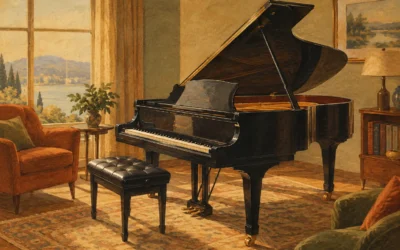
For a main sanctuary, a grand piano remains the most complete musical choice. Its horizontal soundboard and longer strings provide greater tonal depth, sustain, and control than a comparably priced upright. Skilled players can shape a grand piano from a gentle prayer accompaniment to a full, confident hymn introduction without the sound becoming thin or strained.
A 5-foot-8-inch to 6-foot-3-inch grand is often an excellent range for a medium or large church. It offers meaningful projection and bass response without overwhelming the platform or consuming the budget required for other ministry needs. A 7-foot grand can be exceptional in a large sanctuary, concert setting, or church with a demanding music program, but it requires sufficient space, thoughtful acoustics, and a capable player.
Used Yamaha grand pianos are frequently strong choices for churches because they are known for consistency, clear projection, and dependable actions. Models in the C series are especially respected for worship settings where the piano needs to cut through a choir or ensemble while retaining enough control for quieter moments. Kawai grand pianos are also compelling, often offering a warmer, more rounded voice and an action that responds well to a wide range of players.
A restored Baldwin grand can bring substantial American character, warmth, and visual presence to a traditional church. For congregations seeking a distinguished instrument with a more refined and complex tonal palette, a quality Steinway or Blüthner may be appropriate. These premium instruments can be remarkable investments, but condition, restoration quality, and ongoing maintenance deserve close attention. Brand reputation matters, yet the individual piano matters more.
Upright Pianos That Deliver Serious Performance
Not every church needs a grand piano. A premium upright can be an outstanding choice for a smaller sanctuary, chapel, choir room, classroom, or multipurpose space. It also provides a practical second instrument for rehearsal areas when the main worship space already has a grand.
A professional upright has a larger soundboard and longer strings than a compact studio or console piano, giving it more authority and tonal fullness. Yamaha U1 and U3 uprights have long been trusted by schools, churches, and teachers because they are built for frequent playing and can produce a focused, dependable sound. The U3, with its taller cabinet and larger scale design, is particularly capable in rooms that need greater bass response and projection.
Kawai professional uprights are another excellent option, especially for churches that prefer a slightly warmer sound and a responsive touch. Older American and European uprights can also offer tremendous value when they have been properly rebuilt or restored. The key word is properly. A visually attractive vintage piano with worn hammers, loose tuning pins, aging strings, or an uneven action is not a bargain for a busy music ministry.
An upright should be selected for performance, not simply for furniture value. It needs to hold tuning, repeat notes reliably, and allow accompanists to play with confidence. For a church with limited floor space and a serious music program, a premium upright can be one of the smartest purchases available.
When a Digital Piano Is the Better Church Choice
Digital pianos have earned a legitimate place in churches, particularly where volume control and flexibility are priorities. They are well suited to contemporary worship teams, portable ministries, youth rooms, satellite campuses, rehearsal spaces, and churches that need direct connection to a sound system.
The strongest digital options use weighted, graded hammer actions and detailed piano samples that give musicians expressive control. Yamaha, Kawai, and Roland are established names worth considering in this category. A furniture-style digital piano can serve a small worship space well, while a professional stage piano may be the better fit for a mobile worship team that needs quick setup and dependable amplification.
Digital instruments offer clear advantages: no tuning, adjustable volume, headphone practice, recording capability, and easy integration with audio equipment. Their trade-off is musical and physical. Even excellent digital actions do not fully reproduce the mechanical response and acoustic resonance of a fine grand or upright. Electronics also have a different lifespan than acoustic components, and repair options can become limited as models age.
For churches that primarily use amplified contemporary music, a digital piano may be the most practical primary instrument. For churches where the piano leads unamplified singing, supports choirs, or serves special music, an acoustic piano usually brings a more natural authority to the room.
Condition and Service Matter More Than the Name on the Fallboard
A church should never purchase a used piano based on brand name or appearance alone. A respected instrument can still have serious issues if it has been neglected, stored in unstable conditions, or poorly repaired. Conversely, a carefully maintained and professionally prepared used piano can deliver exceptional value for decades.
The piano should be evaluated for tuning stability, soundboard condition, bridge integrity, action wear, pedal function, key leveling, hammer wear, and overall regulation. On a grand piano, the condition of the pinblock and the precision of the action are especially significant. On an upright, inspect the same fundamentals while also considering cabinet condition, back posts, and how the piano has been stored.
Churches should plan for regular tuning at least twice a year, with more frequent service appropriate for heavily used instruments or spaces with changing temperature and humidity. Regulation and voicing should be part of the long-term conversation as well. A piano can be structurally sound yet become difficult to play or unpleasantly voiced if it does not receive professional attention.
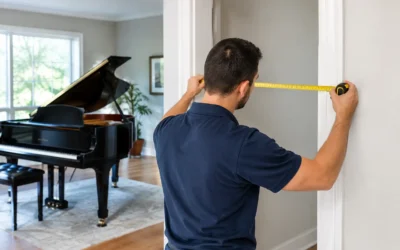
This is where buying from a specialty piano company has real value. A440 Pianos can help churches compare premium used, vintage, grand, upright, and electronic options while also coordinating delivery, moving, tuning, repair, restoration, and financing. Those services matter because moving a piano safely into a sanctuary or onto a platform requires planning that general furniture delivery cannot provide.
Match the Investment to the Ministry
A church piano should be purchased as a working musical asset, not an afterthought. Set a budget that includes the instrument, delivery, first tuning after placement, a protective cover if needed, and ongoing service. If the piano will be a visible centerpiece for worship, weddings, and community events, its appearance and pedigree may also be part of the decision. A polished grand can communicate care, excellence, and welcome before a single note is played.
Still, prestige should not outweigh suitability. A well-prepared Yamaha U3 may serve a growing congregation more effectively than a larger but neglected grand. A high-quality digital piano may be the better choice for a portable ministry than an acoustic instrument that cannot be heard properly through the sound system. The right purchase is the one that supports your musicians and serves your congregation consistently.
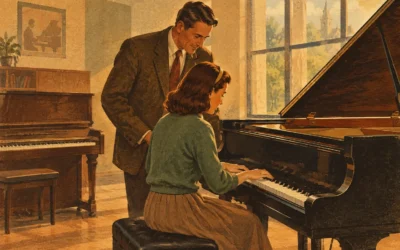
Give your worship leaders and accompanists time with the finalists before deciding. Their hands will reveal what specifications cannot: whether the action invites expression, whether the tone supports the room, and whether the instrument feels ready to serve every song, service, and season ahead.
0 Comments