


A pianist sits down at a Steinway and often notices depth first – a layered, singing tone that seems to bloom under the hands. Sit at a Yamaha, and the first impression is often clarity, speed, and control. That is why the Steinway vs Yamaha pianos conversation never really goes away. These are two of the most recognized names in the piano world, but they serve different players, rooms, budgets, and musical goals.
For some buyers, this is about prestige and heritage. For others, it is about consistency, maintenance, resale, or simply finding an instrument that feels right every day. The best choice is rarely about which brand is “better” in the abstract. It is about which piano gives you the sound, response, and ownership experience that match the way you play and live.
Steinway vs Yamaha pianos at a glance
Steinway is often associated with concert tradition, handcrafted character, and a rich tonal palette. Many players describe the sound as warm, complex, and expressive, especially in larger grands. The brand carries a strong luxury reputation, and for many buyers that heritage is part of the appeal.
Yamaha is known for precision, reliability, and broad appeal across homes, schools, churches, and performance spaces. Its pianos are often praised for clean tone, even touch, and consistency from instrument to instrument. Yamaha also spans a wider range of price points, which makes it more accessible for serious families, teachers, and institutions.
Both brands build excellent instruments. The difference is that they often excel in different ways.
Tone: warmth and color vs clarity and focus
Tone is usually the deciding factor, and this is where personal preference matters most. Steinway pianos are known for tonal complexity. On a strong Steinway grand, you may hear more color change across dynamics, with a bass that feels broad and resonant and a treble that can sing with real personality. Many advanced pianists love that sense of depth because it gives them room to shape phrases in a highly individual way.
Yamaha pianos tend to offer a more direct and focused sound. Notes speak quickly. The tonal profile is often cleaner and brighter, though that can vary by model, age, voicing, and condition. In teaching studios, churches, and recording settings, that clarity can be a major advantage. It helps lines stay defined, and it can make the piano easier to control in ensemble playing.
This does not mean every Steinway is dark or every Yamaha is bright. Condition, regulation, hammer wear, voicing, and room acoustics matter enormously. A well-prepared Yamaha can sound refined and warm. A neglected Steinway can sound uneven or tired. That is why buyers should compare actual instruments, not just logos on the fallboard.
Touch and action feel
The next big difference is how the piano responds under the fingers. Steinway actions often feel nuanced and elastic, with a sense of resistance that many experienced players enjoy. There can be a satisfying depth to the key travel, especially on grand pianos prepared for serious repertoire. That feel can reward a developed technique, but some players need time to adjust.
Yamaha actions are widely appreciated for being fast, even, and predictable. Repetition can feel crisp, and the consistency across the keyboard is often excellent. Students and professionals alike often value that reliability because it supports precision. If you play technically demanding music or want an instrument that feels instantly familiar, Yamaha has obvious appeal.
Again, preparation matters. Regulation can transform a piano. A properly serviced used piano may outperform a poorly maintained newer one. For buyers comparing premium instruments, the condition of the individual piano is just as important as the badge.
Build philosophy and consistency
Steinway and Yamaha come from very different manufacturing traditions. Steinway is closely tied to handcrafted identity, musical individuality, and long-established design philosophy. Many buyers are drawn to that sense of artistry and uniqueness. No two Steinways feel exactly the same, and for some pianists that is part of the magic.
Yamaha is admired for disciplined production standards and dependable quality control. Buyers often find a high degree of consistency within a given model line. That makes Yamaha especially attractive for institutions, teaching environments, and families who want a premium instrument with fewer surprises.
Neither approach is inherently superior. Some players want character, even if that means a more selective search. Others want predictability and confidence from the start.
Price and long-term value
Price is where the Steinway vs Yamaha pianos comparison becomes very practical. Steinway generally commands a higher entry point, especially in grands and in instruments with strong provenance, desirable size, or restored premium condition. The brand name itself carries significant market value, and that affects both purchase price and long-term resale perception.
Yamaha typically offers a wider value range. Buyers can find uprights, baby grands, and larger grands across more accessible price levels while still getting a respected premium brand. For many households, studios, and churches, Yamaha provides an attractive balance of quality and budget discipline.
Long-term value depends on more than the name. Maintenance history, climate control, rebuild quality, cabinet condition, and the reputation of the seller all matter. A Steinway may hold prestige exceptionally well, but a Yamaha in excellent condition can be the smarter ownership decision for a buyer focused on reliability and lower acquisition cost.
Maintenance, service, and ownership experience
Every acoustic piano needs tuning and periodic service, but ownership expectations can differ. Steinway buyers are often investing in a more artisan-style instrument where fine regulation and voicing make a major difference. That can be rewarding, especially for demanding players, but it also means proper technical support matters. If you want the piano performing at a high level, regular expert service is part of the picture.
Yamaha pianos have a strong reputation for durability and stability, which is one reason they are so common in schools and performance spaces. That does not mean they are maintenance-free, but many owners appreciate the straightforward ownership experience.
For either brand, buying from a specialist matters. Inspection, preparation, delivery, tuning after the move, and access to ongoing service can shape your satisfaction far more than people expect. A premium piano deserves premium handling.
Which brand is better for different buyers?
If you are a serious pianist chasing tonal depth, expressive color, and the heritage associated with one of the great piano names, Steinway may feel like the natural destination. It often appeals to advanced players, collectors, and buyers who want an instrument with both musical and visual presence.
If you are a music family, educator, church, or studio owner looking for a refined instrument with reliable touch, clear tone, and broader price flexibility, Yamaha may be the better fit. It is also a strong choice for players who value consistency and a piano that adapts easily across styles.
For beginners with long-term ambition, either brand can be an excellent investment if the specific piano is in strong condition and sized appropriately for the room. For recording work, some prefer Yamaha for its articulation and clean capture, while others choose Steinway for tonal richness and greater expressive shading. It depends on repertoire, space, and the sound you want in the room.
Uprights vs grands in the Steinway vs Yamaha pianos debate
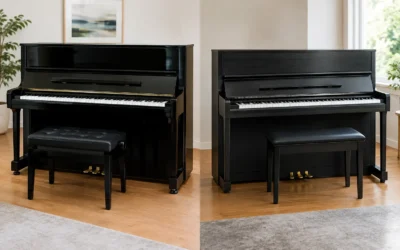
The comparison changes when you look at uprights versus grands. In uprights, Yamaha is often especially compelling because of its consistency, practical value, and strong performance for the price. Many buyers find Yamaha uprights to be dependable, musically satisfying instruments for homes and teaching studios.
Steinway uprights can be excellent, particularly for buyers who want the brand’s heritage and a more premium cabinet presence, but the pricing can shift the value conversation. Some buyers who want the Steinway name may ultimately prefer to wait for the right grand rather than stretch for an upright.
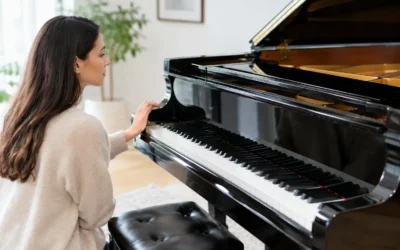
In grands, the tonal and touch differences become more pronounced. That is where Steinway’s reputation for complexity and concert-level character tends to stand out most clearly. Yamaha grands remain exceptionally competitive, especially for players who favor precision, balance, and a more immediate response.
The smartest way to choose
The smartest buyers compare individual pianos side by side and ask better questions. How was the piano maintained? Has it been rebuilt or restored, and by whom? How does it sound at soft volume, not just when played loudly? Does the action support your technique, or are you fighting it? Will the piano suit your room, your repertoire, and your long-term plans?
A premium piano purchase should also include a premium support structure. Delivery, tuning, service access, and expert guidance are not extras. They are part of making a high-value instrument worth owning. That is especially true when buying used, vintage, or restored inventory, where quality can vary dramatically from one piano to the next.
At A440 Pianos, this is why careful selection matters so much. A well-chosen Steinway can be extraordinary. A well-prepared Yamaha can be exactly the right piano for years of serious use. The goal is not to force one answer for everyone. It is to match the right instrument to the right player.
If you are choosing between these two brands, trust your ears, trust your hands, and give as much attention to condition and preparation as you do to the name on the lid.

0 Comments