

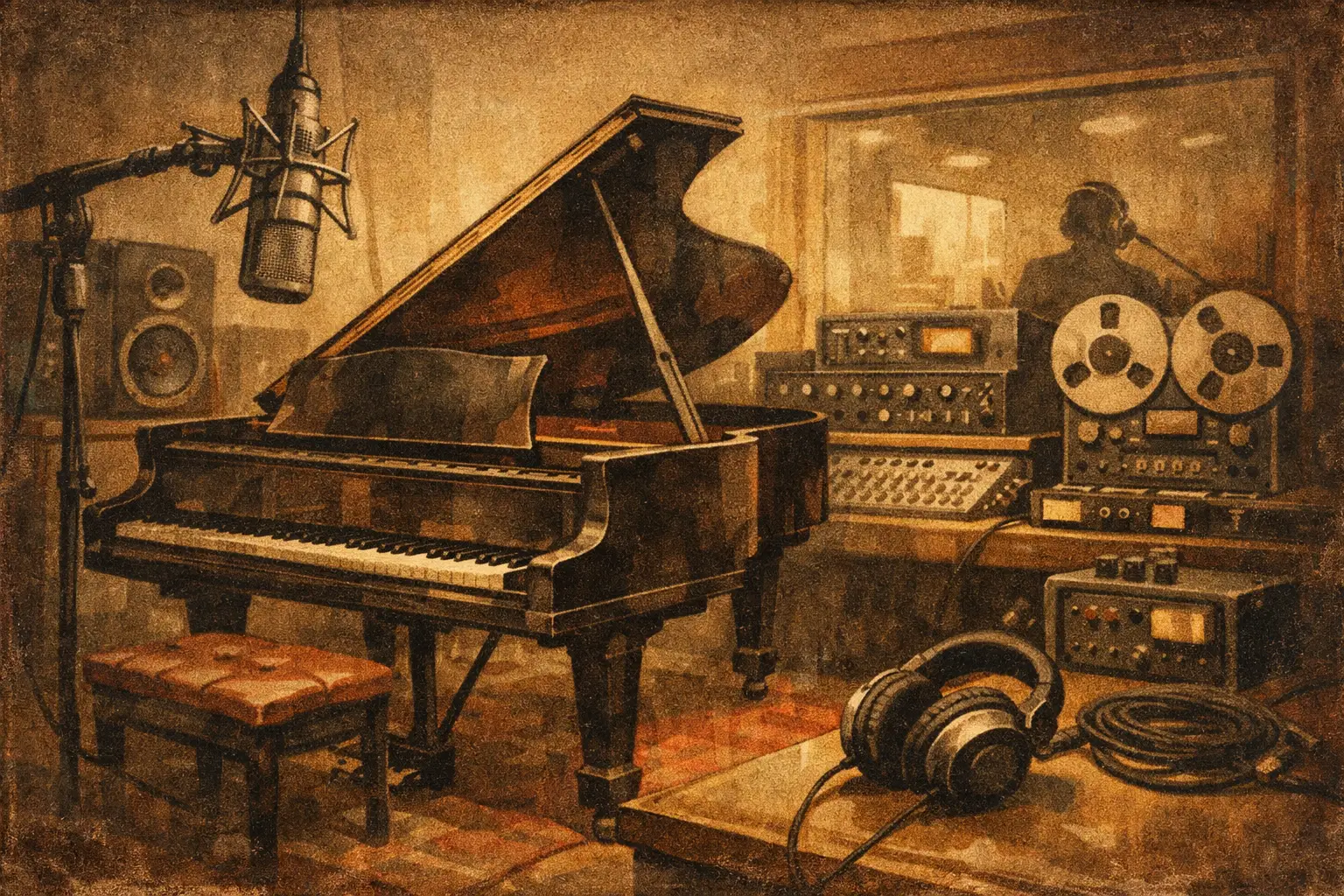
A piano that sounds glorious in a showroom can fall apart under microphones. In a recording space, every detail gets exposed – mechanical noise, uneven voicing, harsh upper mids, weak sustain, and the way the instrument sits in a mix. That is why choosing the best piano for recording studio use is less about prestige alone and more about control, consistency, and tonal character that translates beautifully on record.
What makes the best piano for recording studio use?
A studio piano has a different job than a living room piano or even a performance hall instrument. In the studio, the piano must respond evenly across the keyboard, hold tuning reliably, and offer a tone that engineers can shape without fighting the source. A piano can be powerful and impressive in person yet still be difficult to capture if the attack is too aggressive or the bass overwhelms the room.
The best recording pianos usually share a few traits. They have a balanced scale from bass to treble, a clear but not brittle attack, and enough sustain to create depth without muddying close-mic recordings. Action matters just as much. Players in studio sessions need precision, especially when layering parts or tracking exposed solo lines where uneven repetition becomes obvious.
There is also the practical side. A recording studio instrument needs stable regulation, fresh tuning, and proper voicing. Even an exceptional brand can disappoint if it has not been prepared correctly. That is one reason many buyers prefer a premium used or restored instrument from a specialist rather than shopping blind in the general market.
Grand or upright for a recording studio?
For most professional studios, a grand piano remains the first choice. A quality grand gives you greater tonal complexity, longer strings, better repetition, and more control over color. It also offers more flexibility for microphone placement. Engineers can capture body, attack, and resonance with a wider range of results depending on whether they want intimate detail or cinematic size.
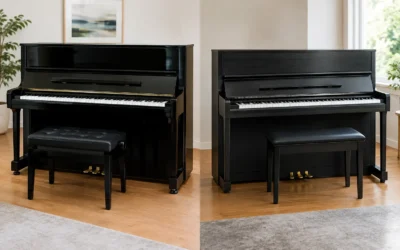
That said, an upright should not be dismissed. In smaller rooms, a premium upright can be the smarter instrument. A great upright often records with surprising focus, and in some pop, indie, jazz, and singer-songwriter sessions, that tighter sound is exactly the point. It occupies less space, is easier to place, and can reduce some of the room-related problems a grand may exaggerate.
If your studio room is compact or untreated, forcing a 7-foot grand into it can create more problems than benefits. In that case, a high-level upright or a smaller grand may deliver stronger real-world results.
Why room size changes the answer
The piano does not exist in isolation. A recording studio with controlled acoustics can support a larger grand and let its harmonics bloom. A dry, tight room may favor a more focused instrument with less low-end buildup. This is where buyers often make expensive mistakes. They shop by brand name and size first, and only later realize the room cannot support the piano they chose.
A 5’8″ to 6’6″ grand is often the sweet spot for many private studios because it offers depth without overwhelming the space. Larger concert-sized instruments can be extraordinary, but they need the room, microphones, and engineering approach to match.
The best piano types for studio recording
Grand pianos
If your goal is versatility across classical, jazz, film scoring, and high-end commercial work, a grand piano is usually the strongest option. Yamaha grands are prized in studios for clarity, consistency, and reliability. They tend to sit well in modern productions and are often easier to record cleanly when precision matters.
Kawai grands can be excellent for players who want warmth with a refined, controlled response. Many recording environments benefit from that slightly rounder presentation, particularly when the piano needs to support vocals rather than dominate them.
Steinway grands remain a benchmark when the studio wants unmistakable authority, color, and heritage. A well-prepared Steinway can deliver a complex, deeply expressive sound that rewards skilled engineering. The trade-off is that not every room, player, or production style needs that much personality. In some projects, a more neutral piano is easier to place in a mix.
Baldwin and Bluthner also deserve attention for studios chasing distinctive character. Baldwin can offer bold American tone with strong projection, while Bluthner is often appreciated for warmth and lyrical depth. These are not generic choices, which is exactly why they can be valuable in the right recording environment.
Upright pianos
A premium upright can be an excellent recording instrument when space is limited or when a production calls for intimacy and punch. Studio owners sometimes overlook uprights because they assume grand automatically means better. That is not always true. A high-quality Yamaha or Kawai upright, properly voiced and regulated, can track beautifully for contemporary music.
There is also a creative advantage. Uprights can produce a close, character-rich sound that works especially well for folk, alternative, and layered pop arrangements. If the goal is personality rather than concert-hall scale, an upright may be the better fit.
Hybrid and digital options
Some studios need silent practice, MIDI control, or consistency for fast commercial production. In those cases, hybrid or premium digital pianos have a place. They are useful tools, but they are not a full substitute for an acoustic piano when tonal complexity and organic resonance matter. If your sessions depend heavily on editing, virtual instruments, or late-night operation, a hybrid setup can complement an acoustic instrument very well.
Brand character matters more than people admit
When clients ask for the best piano for recording studio work, they often expect one universal answer. There is not one. A bright, articulate Yamaha may be the best choice for a commercial tracking room. A restored Steinway may be ideal for a composer seeking depth and authority. A refined Kawai may be the right middle ground for a multipurpose private studio.
This is where buying from a curated specialist becomes valuable. Premium used and vintage pianos can outperform newer mass-market options if they have been selected carefully and serviced properly. The right instrument is not just about age or logo on the fallboard. It is about condition, preparation, and whether the piano offers the sound your room and clients actually need.
What to listen for before you buy
When evaluating a studio piano, listen for evenness first. Play simple scales, repeated notes, and soft chords across the entire keyboard. A recording instrument should not have sudden jumps in tone or volume from one register to another.
Then listen to the attack. Under microphones, harshness becomes tiring very quickly. You want clarity, but not a brittle edge that forces constant EQ correction. Sustain is next. Notes should sing without turning cloudy. Finally, pay attention to mechanical noise. Pedals, action parts, and key return sounds may seem minor in person, but they are very real in close recording.
If possible, have someone else play while you stand at different positions in the room. Better yet, record the piano. A phone recording is not a studio test, but it can still reveal whether the instrument is balanced or whether one register dominates.
Preparation is part of the purchase
A studio piano is only as good as its setup. Voicing, regulation, and tuning are not afterthoughts. They are part of the instrument’s recorded sound. Many pianos improve dramatically with expert preparation, and some premium instruments need detailed work before they reveal their full value.
That is why service support matters. Delivery, installation, tuning after the move, and ongoing maintenance should be considered part of the buying decision, especially for recording clients who cannot afford instability once the instrument is in use. A440 Pianos works with buyers who want not just a premium instrument, but the technical support that keeps it performing at a professional level.
So what is the right choice?
If you want the safest all-around answer, choose a high-quality grand in the 5’8″ to 6’6″ range from a respected maker, prepared specifically for studio use. That size range gives most studios the right balance of tonal depth, playability, and room compatibility.
If your room is smaller, your productions are intimate, or you want a tighter and more direct recorded tone, a premium upright may be the stronger investment. If your workflow demands silent operation and digital integration, consider a hybrid setup, but treat it as a practical solution rather than an acoustic replacement.
The best piano is the one that serves the room, the player, and the recording goals with confidence. Buy for the sound under microphones, not just the impression on the showroom floor. A well-chosen piano does more than record well – it changes how musicians play when the red light turns on.

0 Comments