

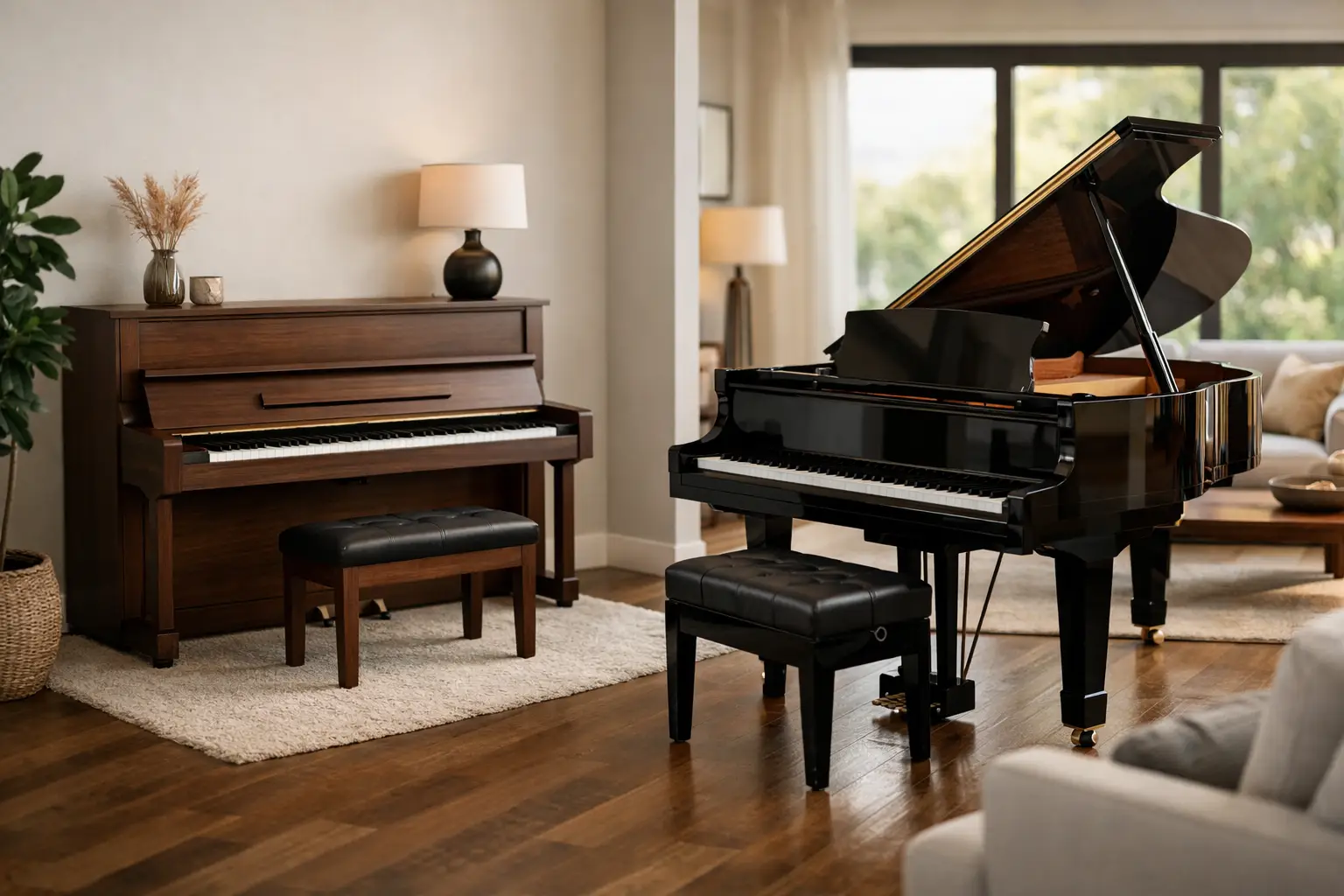
A piano is one of the few purchases that can change the character of a room and the rhythm of family life at the same time. The right instrument invites a child to practice, gives an experienced player a satisfying voice, and becomes part of the home for decades. Learning how to choose a piano starts with more than a price tag or a brand name. It means matching an instrument’s sound, condition, size, and touch to the way you will actually use it.
Start With the Player and the Purpose
Before comparing piano models, consider who will play and what they hope to do. A beginning student needs a responsive, properly regulated instrument that makes practice enjoyable and teaches healthy technique. A serious pianist may be listening for tonal color, dynamic range, and the subtle control available in a well-built grand. A family may need an instrument that works for lessons, casual playing, and entertaining without overwhelming the living room.
There is no single “best” piano for every buyer. A Yamaha upright may be an excellent choice for a student and a busy household because of its dependable action and clear, versatile tone. A vintage Steinway, carefully restored and voiced, may be the right fit for a discerning musician seeking warmth, depth, and character. A digital or self-playing piano may serve a home where convenience, headphones, or built-in entertainment features matter most.
Think beyond the first year of ownership. If a young student is committed and progressing quickly, purchasing an instrument with enough musical range to grow with them can be wiser than choosing only the lowest initial price. On the other hand, a well-prepared used upright can offer exceptional value for a new player when it has been inspected, tuned, and maintained properly.
Choose the Right Type of Piano
The biggest decision is usually whether you want an acoustic upright, an acoustic grand, or a digital piano. Each serves a different space, budget, and musical goal.
Upright pianos
An upright piano places the strings and soundboard vertically, making it the practical acoustic choice for many homes, apartments, schools, and studios. It provides the authentic touch and resonance of an acoustic instrument while requiring less floor space than a grand.
Height matters. A compact spinet or console can fit neatly in a smaller room, but a taller studio or professional upright generally has longer strings, a larger soundboard, and a fuller sound. Models such as the Yamaha U3 have earned a strong reputation because they deliver substantial tone and performance in an upright format.
Grand pianos
Grand pianos place the strings horizontally, allowing for longer strings, broader tonal possibilities, and refined action control. Their sound opens into the room in a way that many pianists find inspiring. They are also available in several lengths, from petite baby grands to concert grands.
Do not assume bigger is always better for your home. A larger grand usually offers more tonal depth, but the room must support it. In a small, hard-surfaced space, even a modest grand can sound overly bright or powerful. A 5-foot to 6-foot grand can be a beautiful choice for many private homes, while longer instruments are often best suited to larger rooms, dedicated music spaces, or performance settings.
Digital and self-playing pianos
Digital pianos are a practical solution where volume control, headphone use, portability, or lower maintenance are priorities. Quality models can provide weighted keys and convincing piano samples, though they do not reproduce the physical resonance and mechanical response of an acoustic piano exactly.
Self-playing pianos offer another kind of value. They let owners enjoy performances at home while retaining the ability to play manually. For entertaining, hospitality spaces, and collectors who want an instrument to be heard regularly, a self-playing system can make piano ownership especially rewarding.
Measure the Room Before You Fall in Love
A piano should fit the room physically and musically. Measure the intended location, including doorways, staircases, turns, elevators, and any other access points a delivery team will need to navigate. Piano delivery is specialized work, and planning access early helps avoid unwelcome surprises.
Leave enough space for the player and bench, and avoid pressing an acoustic piano against a heat source, exterior wall, direct sunlight, or air vent. Rapid swings in temperature and humidity affect tuning stability and can place stress on wood, felt, and action components.
The room’s surfaces influence the sound as well. Hardwood floors, tall ceilings, and extensive glass create a lively acoustic. Rugs, curtains, upholstered furniture, and bookshelves soften excess brightness. If you love a piano in a showroom, imagine how its sound may change in your own space. A knowledgeable piano specialist can help you choose an instrument and placement that suit the room rather than simply filling it.
Let Your Ears and Hands Decide
When possible, play several pianos side by side. Start with simple scales, quiet chords, and a familiar piece. Listen not only for volume, but for the character of the tone. Do you prefer a clear, bright sound that projects easily, or a warmer, rounder sound with more complexity? Different makers and individual instruments have distinct personalities.
Then pay attention to the action. The keys should feel even from one end of the keyboard to the other, without sticking, clicking, or noticeably uneven resistance. Play softly and loudly. A good piano should respond to both. On an acoustic instrument, test the pedals as well, especially the sustain pedal, which should operate smoothly and support the tone without unwanted noise.
For beginners, the feel of the keyboard is more significant than many buyers realize. A poorly regulated action can make control difficult and discourage practice. For advanced players, subtle differences in action weight and repetition can define whether an instrument feels merely acceptable or deeply expressive.
New, Used, and Vintage: Condition Changes Everything
A new piano offers the reassurance of current manufacturing, warranty coverage, and a known history. It is often a straightforward path for buyers who want predictable performance and minimal near-term repair needs. Still, new is not the only route to quality.
A well-maintained used piano can be an outstanding investment, especially from respected makers. The key is condition. Age alone does not tell the story. A 30-year-old piano that has lived in a climate-controlled home, received regular tuning, and been cared for by technicians may be in far better shape than a newer instrument exposed to neglect or major humidity changes.
Vintage pianos deserve particular attention because they can offer craftsmanship and tonal character that are difficult to find elsewhere. They may also require restoration. Ask about the soundboard, pinblock, strings, hammers, bridges, action parts, cabinet condition, and service history. Cosmetic beauty is appealing, but the internal musical condition determines whether the piano will be enjoyable and dependable.
An independent inspection is especially valuable when buying from a private seller. A professional evaluation can identify structural or mechanical issues that are not obvious during a quick visit. The cost of correcting serious problems can quickly outweigh a seemingly attractive purchase price.
Set a Budget for Ownership, Not Just the Piano
Your budget should include more than the instrument itself. Acoustic pianos need regular tuning, typically at least once or twice each year depending on use and environment. They may eventually need regulation, voicing, repair work, or humidity control. Professional moving and delivery are also essential, since a piano is both heavy and mechanically delicate.
Financing can make a higher-quality instrument more accessible, particularly when it allows you to choose a piano with the durability and musical potential your household needs. The goal is not to stretch for features you will never use. It is to avoid buying an instrument that disappoints so quickly that it must be replaced.
Be candid about your priorities. If you have a limited budget, a carefully selected used upright with reliable action and stable tuning may be more satisfying than a decorative but compromised grand. If sound quality is your central priority, it may be worth choosing a smaller grand from a stronger maker instead of a larger instrument with uncertain condition.
Ask for Support After the Sale
The purchase is the beginning of ownership, not the end of the process. A trusted piano specialist should be able to advise on delivery, placement, tuning schedules, repairs, restoration options, and ongoing care. That support matters whether you are selecting a first upright or a collectible grand.
At A440 Pianos, the selection process is built around the instrument, the player, and the home it will enter. Take your time, play more than one option, and ask direct questions about condition and service. The piano you choose should make you want to sit down and play again tomorrow.
0 Comments