


A used piano can be an extraordinary value – or an expensive lesson in what was hiding behind a polished cabinet. If you are wondering how to buy a used piano, the smartest approach is to shop for musical quality, structural condition, and long-term support at the same time. Price matters, but with pianos, the cheapest instrument is often the one that costs the most after delivery, tuning, and repair.
Unlike many secondhand purchases, a piano is not just furniture and it is not just a machine. It is a complex acoustic instrument with thousands of moving parts, and age alone does not tell you whether it is a wise buy. Some older pianos have exceptional tone, stable construction, and lasting value. Others are at the end of their useful life even if the finish still looks presentable.
How to buy a used piano the right way
Start with the reason you are buying. A family looking for a dependable first piano, a serious student preparing for advanced repertoire, and a church furnishing a sanctuary should not shop the same way. Your budget should include more than the purchase price. It should also account for delivery, an initial tuning after the move, climate control if needed, and any immediate service the instrument may require.
This is where many buyers go wrong. They compare only sticker prices across marketplaces, then discover that a lower-cost piano needs hundreds or thousands of dollars in work. A better instrument from a specialist often costs more upfront because it has already been evaluated, serviced, and presented honestly. That difference matters.
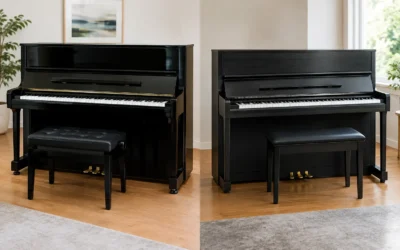
The next step is choosing the right type of piano. Uprights are practical for homes, teaching studios, and buyers who want strong musical performance without dedicating floor space to a grand. Baby grands and larger grands offer a different level of projection, tonal color, and touch, especially for advanced players and performance settings. If your room is small, however, a quality upright may outperform a mediocre grand in both tone and value.
Know which used pianos deserve a closer look
Brand matters in the used market because some manufacturers have a stronger record of build quality, parts support, and musical consistency. Names such as Steinway, Yamaha, Kawai, Baldwin, and Bluthner tend to draw attention for good reason, but the badge alone is never enough. A respected brand with deferred maintenance can still become a difficult purchase.
Age should be considered in context. A well-maintained piano from a premium maker may remain desirable for decades. At the same time, a mass-market piano that has spent years in unstable humidity or gone long stretches without service can develop serious structural and action problems. The question is not simply, “How old is it?” The better question is, “How has it lived, and what condition is it in now?”
When possible, ask about service history. Has the piano been tuned regularly? Has it had major work such as regulation, restringing, rebuilding, or soundboard repair? Was it kept in a climate-controlled home, school, or church? These answers help you judge whether you are looking at a cared-for instrument or a neglected one.
What to inspect before you buy
Even if you are not a technician, you can learn a great deal from a careful visual and musical inspection. Play every key. They should move consistently, return properly, and produce sound without sticking, double-striking, or feeling dramatically uneven. Test the pedals and listen for buzzes, rattles, or notes that decay strangely.
Look closely at the cabinet, but do not stop there. Cosmetic wear is not always a problem. Structural warning signs are far more important. If you can view the strings, tuning pins, bridges, and soundboard, check for rust, heavy corrosion, cracks, loose pins, or obvious repairs. Some soundboard cracking can be minor, while other cracking affects performance and stability. This is one of many areas where the answer is, it depends.
The action tells its own story. Excessive wear in hammers, deep string grooves, or sluggish response can indicate years of hard use. That does not always make a piano a bad buy, especially if the price reflects the condition and the instrument is worth restoring. But it should change how you evaluate value.
Why touch and tone matter more than polish
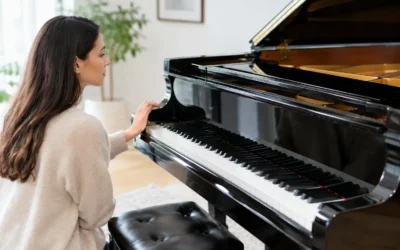
Many buyers are drawn to finish first, especially with polished ebony grands or visually distinctive vintage cabinets. Presentation matters, but pianists live with touch and tone, not with shine alone. A piano with a beautiful cabinet and a harsh, uneven voice will disappoint quickly. A piano with a more modest exterior but a responsive action and rich sound may prove to be the better investment.
Play soft passages and loud ones. Listen for evenness across the keyboard. The bass should have depth without becoming muddy. The treble should sing without sounding brittle. A good used piano does not need to sound identical in every register, but it should feel musically coherent.
Get a professional evaluation before committing
If you are buying privately, a pre-purchase inspection by a qualified piano technician is one of the best decisions you can make. This is especially true for higher-value instruments, vintage grands, and pianos represented as restored or rebuilt. A technician can identify issues that most buyers will miss, from pinblock weakness to regulation problems and costly future service needs.
If you are buying from a specialized piano retailer, ask what has already been done to the instrument. Has it been inspected, tuned, voiced, regulated, or repaired? Is there documentation on condition and service? A serious dealer should be able to speak clearly about what the piano is and what it is not.
This is one reason buyers often prefer working with an established piano company rather than a general classified seller. With a specialist, you are not only buying a piano. You are buying curation, technical screening, delivery coordination, and a service relationship after the sale. For many buyers, that is worth real money.
Understand what the real cost will be
A used piano purchase is incomplete until the instrument is safely in place and stabilized in its new home. Professional piano moving is essential. A piano is heavy, delicate, and vulnerable to damage when handled by inexperienced movers. Saving money here can create far greater costs later.
Plan for tuning after delivery because movement and environmental change affect pitch. If the piano has not been maintained for some time, it may also need pitch correction, regulation, or minor repairs. Ask whether these costs are included, optional, or likely in the near term.
Room conditions matter as well. Pianos respond to humidity and temperature swings. In Georgia and across many US climates, seasonal changes can influence tuning stability and long-term health. A quality instrument deserves a stable environment. That protects both performance and value.
How to judge value instead of just price
The best used piano is not always the least expensive one or the most famous one. Value comes from the balance of brand, condition, preparation, musical performance, and support. A lower-priced piano with uncertain history may look attractive until repair estimates arrive. A premium used piano that has been properly maintained and serviced often delivers better performance, stronger longevity, and greater confidence.
This is especially true for buyers who care about touch, tonal character, and resale strength. Students moving into advanced study, collectors seeking heritage brands, and institutions buying for regular use should think in terms of years of performance, not just the price of entry.
A440 Pianos works with buyers who want that level of confidence because the right purchase is rarely about chance. It comes from seeing quality inventory, asking the right technical questions, and pairing the instrument with professional delivery and ongoing service.
When a used piano is a smart buy – and when it is not
A used piano is a smart buy when the instrument has strong musical potential, solid structure, and a realistic total cost of ownership. It may even outperform a new piano at the same budget if you choose carefully. That is one of the strongest arguments for shopping the used market.
It may not be the right buy when the piano has significant hidden issues, weak tuning stability, or repair needs that exceed its market value. It may also be the wrong fit if the size, tone, or touch do not serve the player and space. A good piano on paper can still be the wrong piano for your home or goals.
The best used piano purchase feels clear, not rushed. You should know what you are buying, why it fits, what service it has had, and what it will need next. When those answers are in place, you are not just bringing home an instrument. You are making a confident investment in music, craftsmanship, and years of enjoyment.

0 Comments