

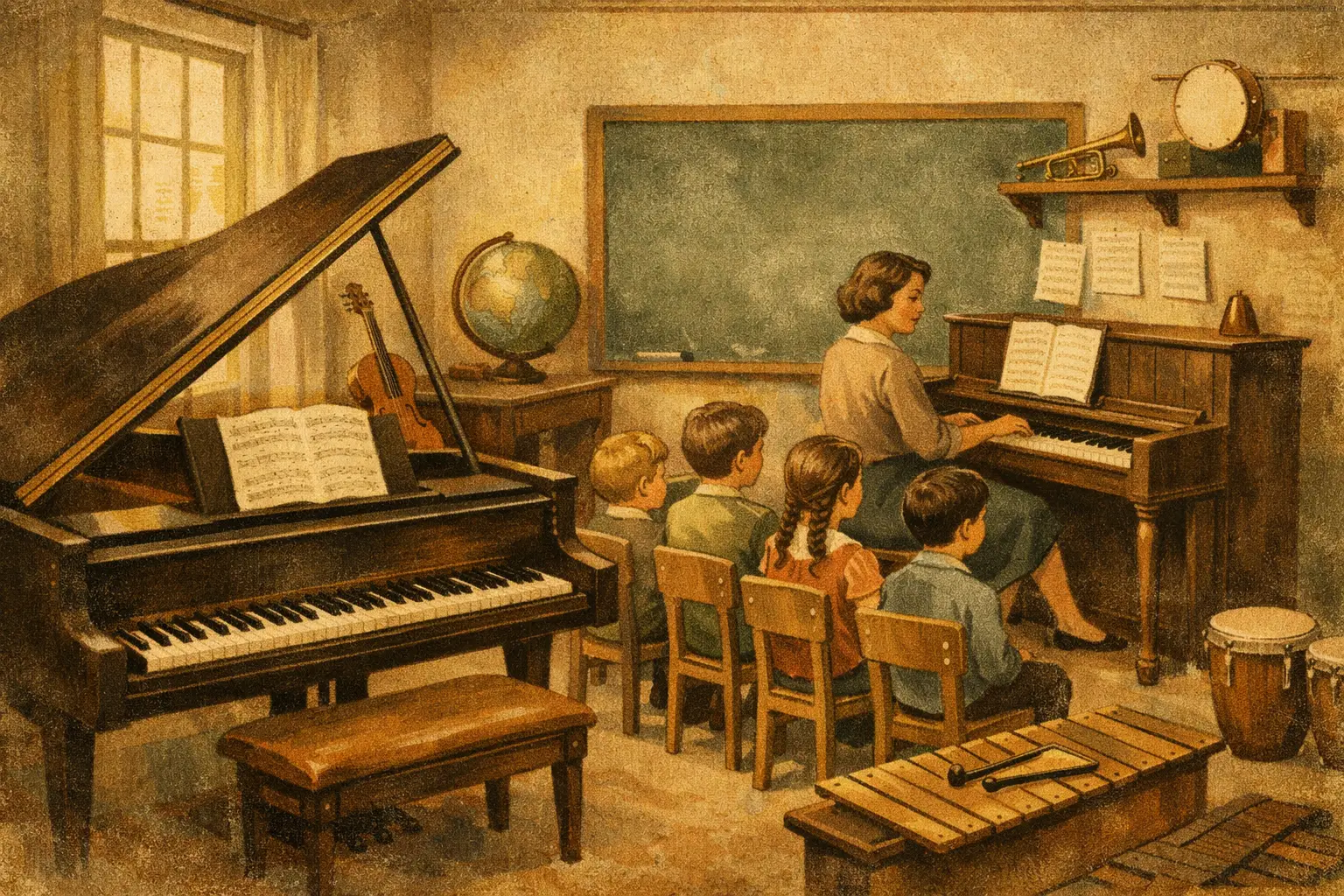
A school piano is not a decorative purchase. It is the instrument that receives thousands of scales, auditions, choir rehearsals, theory demonstrations, and first performances each year. The best pianos for music schools combine musical authority with dependable construction, manageable maintenance, and a size that suits the room where students will learn.
A poor-quality instrument can make progress harder to hear and harder to feel. Sticky keys, unstable tuning, uneven action, and thin tone affect more than the teacher’s patience – they can affect a student’s relationship with music. A well-chosen piano, on the other hand, supports disciplined practice and gives performances the presence they deserve.
What Music Schools Should Prioritize First
The right piano depends on its job. A private lesson studio has different needs than a university rehearsal hall, and an elementary classroom is not a small recital venue. Before comparing brands or cabinet styles, define where the piano will be played, who will use it, and how often it will be moved.
For most teaching environments, touch and tonal consistency should lead the decision. Students need an action that responds predictably from note to note. They also need enough tonal range to hear the difference between soft accompaniment, articulated technique, and full ensemble playing. A piano that feels overly heavy, excessively light, or inconsistent across the keyboard can create habits that become difficult to correct later.
Durability matters just as much. School instruments experience a higher level of use than most home pianos. Look for sound construction, stable tuning pins, healthy strings, a responsive pedal system, and an action that has been properly regulated. The condition of the individual piano is especially important when considering a premium used or restored instrument.
Best Pianos for Music Schools by Room Type
Upright pianos for teaching studios and classrooms
A professional upright is often the strongest value for a lesson room, practice lab, classroom, or small church education program. It offers a real acoustic action and meaningful tonal development without requiring the footprint or budget of a grand piano.
Full-height uprights, generally 48 inches or taller, are particularly well suited to serious instruction. Their longer strings and larger soundboards typically create greater bass depth, sustain, and dynamic control than compact console models. For a school that needs several instruments, selecting comparable upright pianos can also create a more consistent learning experience across studios.
Yamaha and Kawai uprights are frequent choices for institutional settings because of their reputation for consistency, reliable actions, and practical serviceability. Baldwin and vintage American uprights can also be excellent options when they have been carefully evaluated or restored. The right used upright can place a substantially better instrument within reach than a new entry-level piano at the same budget.
There is a trade-off. Uprights do not project like grands, and a smaller upright may struggle in a large choir room or performance space. Still, for one-on-one instruction and daily student practice, a premium upright can be the most sensible investment a school makes.
Grand pianos for recital halls and ensemble spaces
A grand piano becomes essential when the instrument must lead a room. In recital halls, larger rehearsal spaces, conservatory studios, and performance-oriented programs, the horizontal action and broader soundboard of a grand provide greater color, control, and projection.
A baby grand may suit a compact multipurpose room, but schools should avoid choosing a small grand strictly for appearance. In many cases, a fine professional upright will outperform a poorly maintained baby grand in touch, tuning stability, and tonal clarity. When space and budget allow, a 5-foot-8-inch to 7-foot grand often offers a more compelling balance of musical depth and practical placement for an educational program.
Steinway, Yamaha, Kawai, Baldwin, and Blüthner all have instruments worth considering at the premium end of the market. Brand prestige can support recruitment, donor confidence, and performance expectations, but the individual piano must still be assessed on its merits. A well-maintained vintage grand with a healthy structure and expertly rebuilt action can be a distinguished school instrument. A neglected grand from a celebrated name is not automatically a good purchase.
Digital pianos for labs and flexible programs
Digital pianos have a legitimate place in a music school, particularly in group piano labs, theory classrooms, portable teaching setups, and spaces where volume control is necessary. Headphone capability allows multiple students to work at once without turning a classroom into a wall of competing sound.
For serious training, choose digital models with fully weighted, graded hammer actions and high-quality pedal units. The goal is not simply to produce sound but to give students a technique that transfers effectively to an acoustic piano. Digital instruments do require less routine tuning, but they are not maintenance-free. Keys, jacks, pedals, speakers, and electronics should be inspected as part of the school’s equipment plan.
New, Used, or Restored: Choosing the Right Value
A new piano provides the reassurance of current manufacturing and warranty coverage. For a school building a uniform lab or outfitting multiple rooms at once, that predictability may be worth the premium.
A used or restored piano can offer considerably more musical quality per dollar, particularly for a flagship studio or recital space. Older instruments from respected makers may feature excellent materials, mature craftsmanship, and distinctive tonal character. Yet age alone is not an advantage. Schools should examine structural condition, soundboard health, pinblock stability, string condition, action wear, and the quality of any previous restoration.
The key question is not whether a piano is new or old. It is whether the instrument can deliver reliable service for the program’s expected workload. An experienced piano specialist can help distinguish between a piano that merely looks polished and one that is prepared for years of institutional use.
Plan for the Full Cost of Ownership
The purchase price is only the beginning. Acoustic pianos need professional tuning on a regular schedule, usually at least twice each year and more often for heavily used performance instruments. Seasonal humidity changes can affect tuning and action performance, especially in older buildings or rooms with inconsistent climate control.
A school should also budget for moving, delivery, voicing, regulation, repairs, and eventual replacement of wear items. Proper placement helps protect the investment. Keep acoustic pianos away from direct sunlight, exterior doors, heating vents, radiators, and areas with dramatic temperature swings. A stable environment protects the soundboard, tuning, finish, and action.
Do not overlook logistics. Grand pianos require clear access routes, trained movers, and thoughtful placement before delivery day. Schools purchasing for upper floors, stages, historic buildings, or tight hallways should verify the moving plan early rather than treating it as an afterthought.
A Smarter Purchasing Process for Schools
Start with a room-by-room inventory. Identify which spaces need acoustic pianos, which can use digital instruments, and which room deserves the program’s highest-level piano. Then set a realistic budget that includes preparation, delivery, and ongoing care rather than focusing only on the sticker price.
Whenever possible, have educators and advanced pianists play the finalists. Listen for an even scale from bass to treble, test soft and loud control, and check whether repeated notes, pedals, and keys respond cleanly. A student should be able to sit down and feel encouraged, while a teacher should be able to demonstrate demanding repertoire without fighting the instrument.
For schools seeking curated premium used, vintage, or specialty instruments, A440 Pianos can provide the kind of product knowledge, delivery coordination, tuning, repair, restoration, and financing support that makes a significant purchase easier to manage.
The best school piano is the one that invites students back to the bench tomorrow. Choose an instrument with enough musical substance for their next level, then protect it with professional care worthy of the work it will inspire.
0 Comments