

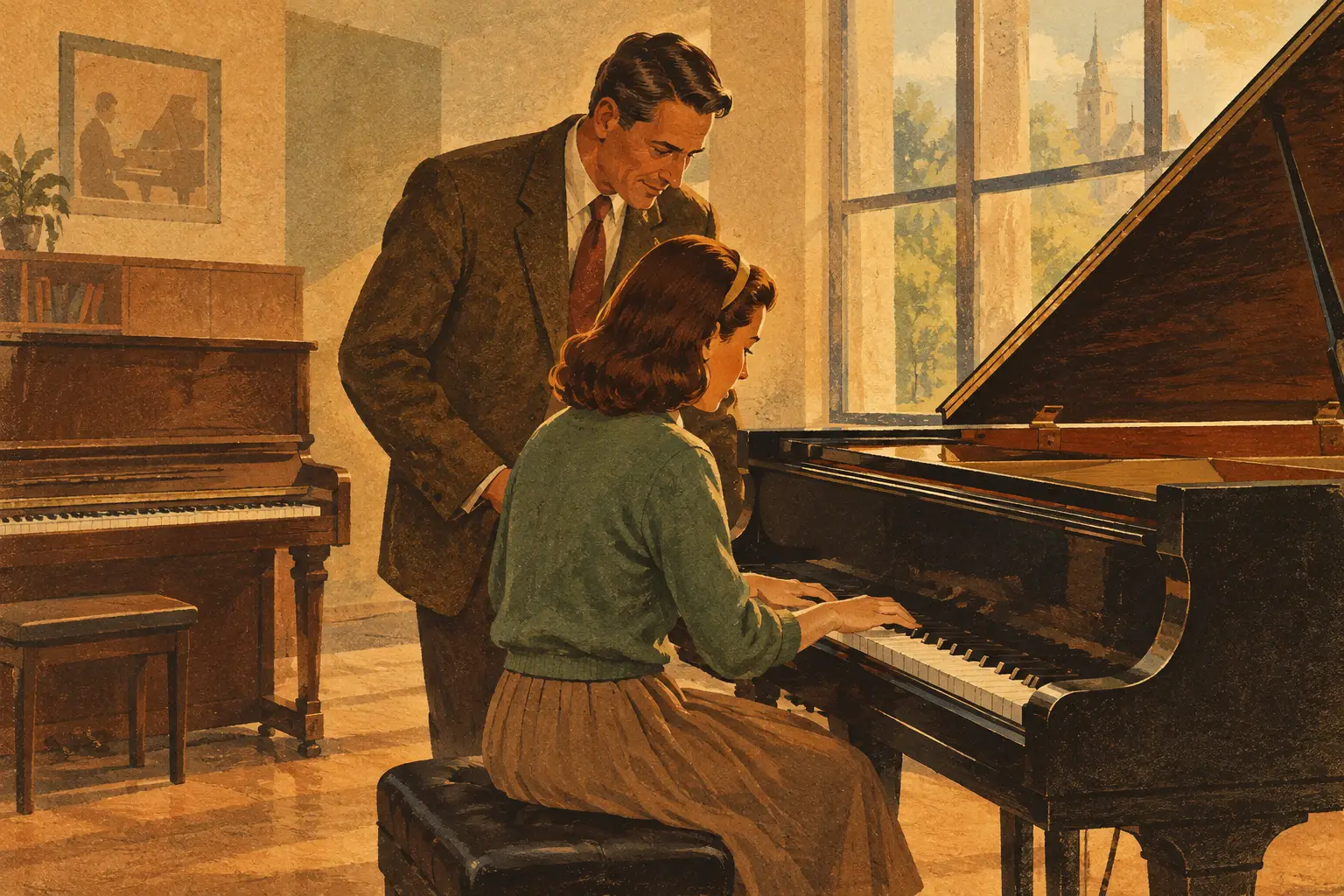
A school piano is rarely played gently or occasionally. It carries beginner scales in the morning, ensemble rehearsals after lunch, auditions, accompaniment, lessons, and sometimes an evening performance. Choosing an acoustic piano for music school means selecting an instrument that can withstand that schedule while giving every student a clear, dependable musical foundation.
The right piano should do more than fill a room with sound. It should teach proper touch, reward careful listening, hold its tuning through demanding use, and give faculty an instrument they can trust without hesitation. For many schools, a quality pre-owned upright or grand piano offers the strongest balance of musical excellence, long-term value, and practical serviceability.
Start With How the Piano Will Be Used
The first question is not simply upright or grand. It is where the piano will live and what work it will do. A piano in a private lesson studio has different requirements from one in a choir room, rehearsal hall, classroom, or auditorium.
For daily instruction, students need an action that responds consistently from the lowest bass notes to the upper treble. Uneven keys, sluggish repetition, or a harsh tone can make it harder for developing players to build technique and hear musical detail. Faculty members also need an instrument that supports accurate demonstrations of dynamics, articulation, voicing, and pedal control.
A performance space introduces another consideration: projection. A piano used for recitals, vocal coaching, theater, or instrumental accompaniment must have enough tonal presence to carry into the room without sounding brittle when played at volume. Room size, ceiling height, flooring, and the number of listeners all affect what “enough” means.
Schools with one primary piano should usually prioritize versatility. A well-prepared professional upright can serve an active classroom exceptionally well, while a grand piano may be the better choice when recitals and advanced accompaniment are central to the program.
Upright or Grand: The Practical Decision
A premium upright piano is often the most sensible acoustic piano for music school classrooms, practice rooms, and teaching studios. It occupies less floor space, costs less to purchase and move than a comparable grand, and can deliver serious musical performance when properly maintained. Taller professional uprights generally offer longer strings, a fuller bass response, and greater tonal depth than compact console models.
For a busy school environment, look beyond furniture-style appearance. A 48-inch to 52-inch professional upright from a respected maker can provide the power, control, and durability needed for years of student use. Yamaha, Kawai, Baldwin, and Steinway-built uprights are frequently considered because of their established performance standards and availability of qualified service.
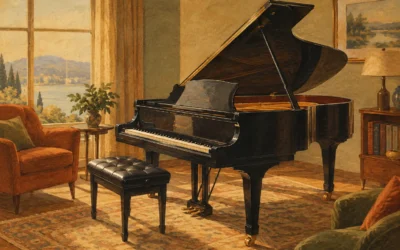
Grand pianos bring clear advantages when the budget, room, and program justify them. Their horizontal action allows faster repetition, and their larger soundboards can produce more color and projection. A 5-foot to 6-foot grand can be an excellent choice for a smaller recital room or advanced teaching studio. Larger grands are better suited to auditoriums and dedicated performance venues, where their scale and tonal authority can be fully appreciated.
The trade-off is straightforward. A grand requires more space, more careful placement, and a higher investment in transportation and maintenance. It is not automatically the best piano simply because it is larger. A superb professional upright will serve a school more effectively than a worn grand with an unstable action or neglected soundboard.
What Quality Means in a School Piano
A piano can look impressive and still be a poor fit for instruction. Schools should evaluate the musical and mechanical condition of the instrument, especially when considering vintage or pre-owned inventory.
Begin with the action. Keys should return promptly and feel reasonably even in weight. The pianist should be able to play quiet repeated notes, crisp staccato passages, and strong chords without keys sticking or failing to speak. Regulation can correct many action issues, but a severely worn action may require substantial restoration.
Tone matters just as much. A good school piano should have a balanced voice rather than an aggressively bright or overly muted sound. Students need to hear a usable range of dynamics, from a controlled pianissimo to a confident forte. Instructors should be able to shape phrases without fighting the instrument.
Examine structural condition with a piano technician or experienced dealer. The soundboard, bridges, pinblock, strings, dampers, pedals, and tuning stability all influence the piano’s future reliability. Age alone does not determine value. A well-maintained vintage piano from a distinguished manufacturer may offer exceptional musical character, while a newer instrument that has endured poor storage or little service may create expensive problems.
A professionally inspected and prepared used piano can be a smart institutional purchase. It may provide a higher grade of craftsmanship and musical performance than a new entry-level instrument at the same budget. The key is buying from a specialist who can clearly explain condition, restoration work, and ongoing service needs.
Choose Touch That Teaches Well
Students develop habits on the piano they use every day. That makes key action a teaching issue, not merely a preference. An acoustic piano gives students the physical feedback that comes from real hammers, strings, escapement, and pedals. They learn how weight, speed, and depth of touch affect sound.
A poorly regulated piano can distort those lessons. If some notes require extra force, if the pedals are noisy, or if the keys feel loose and inconsistent, students may compensate with tension or unreliable technique. This becomes particularly significant for advancing students preparing for auditions, competitions, or performances on unfamiliar instruments.
The best school instrument is not necessarily the heaviest action in the room. It should be responsive, even, and appropriately controlled. Faculty should play the piano before purchase whenever possible, including scales, repeated notes, soft passages, full chords, and pedal changes. A piano that feels refined under an experienced player is more likely to support a broad range of students.
Budget for Ownership, Not Just Purchase
The purchase price is only one part of a school piano investment. Acoustic pianos require scheduled care to remain dependable, particularly in buildings with changing temperatures, high traffic, and frequent use.
Most actively used school pianos should be tuned at least twice each year. Some performance pianos, especially those used for concerts or heavily scheduled rehearsals, may need additional tuning. Regular service also includes action regulation, voicing, minor repairs, and humidity management when seasonal conditions are severe.
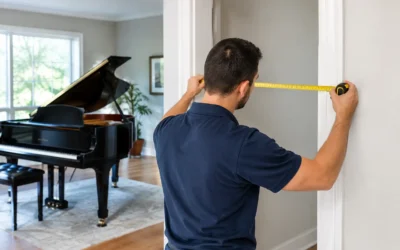
Moving deserves equal attention. Pianos are precision instruments, and school stairwells, stages, elevators, and multi-building campuses can complicate delivery. Professional piano movers protect the instrument, the facility, and the people involved. Before selecting a piano, confirm the delivery path, door clearances, floor transitions, and final placement location.
A440 Pianos helps institutions pair curated instruments with professional delivery, tuning, repair, and restoration support. That full-service approach gives schools a clearer path from selection to installation and continued care.
Plan for Placement and Protection
Even an excellent piano will struggle if it is placed against an exterior wall beneath direct sunlight, near an HVAC vent, or beside a frequently opened exterior door. Rapid changes in temperature and humidity affect tuning stability and can place stress on wood components.
Choose an interior wall when possible, keep the piano away from radiators and air-conditioning blasts, and use a climate-conscious room strategy. In high-use common areas, a lockable lid, key cover, or supervised access policy may be appropriate. These modest precautions can reduce preventable wear and protect the school’s investment.
For practice rooms, consider how the instrument sounds to players and neighboring rooms. Hard surfaces can make a piano feel louder and sharper than it is, while carpeting, curtains, and acoustic treatment can improve comfort without sacrificing clarity. A recital piano should be positioned so its lid and projection support the audience, accompanist, and performers on stage.
Make the Decision With the Program’s Future in Mind
A music department changes over time. Enrollment grows, ensembles expand, and a basic classroom piano may eventually need to support more ambitious repertoire and public performance. Buying slightly above the minimum requirement can prevent an early replacement and give students a more inspiring instrument from the start.
That does not mean every school needs a concert grand. It means choosing a piano with proven construction, honest condition, responsive touch, and the tonal range to serve the next stage of the program. The right instrument invites students to stay longer at the bench, listen more closely, and take their work seriously – exactly what a strong music education deserves.

0 Comments