


A piano can change the rhythm of a home. It gives a serious student a dependable instrument to grow with, gives a family a reason to gather, and gives a collector a piece of craftsmanship with real presence. But when the piano you truly want costs more than you planned to pay at once, the question becomes practical: are piano financing plans worthwhile?
For the right buyer, financing can be an intelligent way to bring home a better instrument now without compromising household liquidity. For the wrong situation, it can make an already meaningful purchase cost more than it should. The difference lies in the piano, the terms, and the role that instrument will play in your life over the years ahead.
When piano financing plans are worthwhile
Financing is most compelling when it helps you purchase an instrument that is genuinely better suited to your musical goals than a lower-priced alternative. A beginning student may not need a concert grand, but they do benefit from an acoustic piano with a responsive action, stable tuning, and musical tone. A serious player, teacher, church, or studio may have even more reason to prioritize a piano that can carry daily use and demanding repertoire.
The key is not simply buying a more expensive piano. It is buying the right piano sooner, while keeping the payment comfortable. A well-maintained premium used Steinway, Yamaha, Kawai, Baldwin, or distinctive vintage instrument may offer years of musical satisfaction that an inexpensive temporary piano cannot match. If financing lets you select a piano you will be proud to keep rather than one you expect to replace in two or three years, it can reduce the cost and inconvenience of upgrading later.
Financing can also preserve cash for the full ownership experience. Piano delivery, climate preparation, tuning after placement, and occasional service are part of responsible ownership. Paying for a piano in installments may make sense if it allows you to budget properly for these essentials instead of putting every available dollar into the purchase price.
A payment should support the purchase, not justify it
A monthly payment can make a large number feel manageable. That is useful, but it can also obscure the true cost. Before applying, look beyond the payment amount and ask what you will pay in total over the life of the agreement.
Consider a simple comparison. A $12,000 piano financed over several years may fit a monthly budget comfortably. Yet interest, fees, and the length of the term can materially increase the final amount paid. A shorter term typically means a higher monthly payment but less interest overall. A longer term can protect monthly cash flow, but it may cost more and keep the obligation in place after the excitement of the purchase has faded.
The best financing plan is one you could continue paying even during a less-than-perfect month. If the payment relies on a bonus, seasonal income, or a financial stretch, it is worth reconsidering the price range or building a larger down payment first.
How to evaluate a piano financing offer
Not all financing offers are equivalent, even when the monthly payment appears similar. Read the actual agreement with the same care you would use when evaluating a piano’s condition, restoration history, and tonal character.
Start with the annual percentage rate, or APR. This figure reflects the cost of borrowing more fully than an interest rate alone because it can incorporate certain fees. Then examine the loan term, the total of payments, and whether there is a prepayment penalty. The ability to pay extra or pay the balance off early without a penalty can be valuable if your financial position improves.
Promotional offers require special attention. Deferred-interest promotions can be attractive when you are confident the balance will be paid in full before the promotional period ends. If it is not, some arrangements may charge interest retroactively from the original purchase date. A zero-percent offer is different from deferred interest, so ask which structure applies rather than assuming the terms are interchangeable.
Also confirm whether a down payment is required, whether late fees apply, and whether the financing is secured by the instrument. Clear answers are a sign of a professional transaction. Premium piano ownership should feel considered and transparent, not rushed or unclear.
Compare the piano, not only the credit offer
The financing terms matter, but they should not distract from the instrument itself. A low-rate plan does not turn an unsuitable piano into a wise purchase. Evaluate the piano’s musical performance, structural condition, cabinet quality, service needs, age, and provenance where relevant.
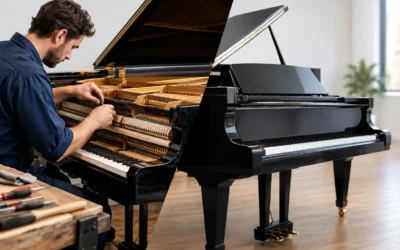
This is especially important with used and vintage instruments. A beautifully restored piano can be an exceptional value, while a superficially attractive piano with unresolved action, pinblock, soundboard, or regulation issues can require significant attention. A specialist retailer with technical expertise can help distinguish cosmetic appeal from lasting quality.
At A440 Pianos, the strongest purchase decisions begin with the instrument and continue through delivery, tuning, repair support, and long-term care. Financing should serve that complete ownership plan, not replace it.
Situations where paying cash may be better
Cash is often the better choice when financing would carry a high APR or when you can pay in full without weakening your emergency reserves. Paying cash removes interest charges, simplifies the transaction, and lets you focus solely on choosing the piano you love.
It may also be preferable for a buyer who is still uncertain about what they need. If a child has only recently started lessons, a family may decide to rent, select a modest but reliable piano, or wait until the student’s commitment is clearer. Financing a high-end instrument before the musical need is established can create pressure that no family needs.
Collectors and experienced pianists may take a different view. If a rare, beautifully preserved, or artistically significant instrument becomes available, financing may protect capital that is allocated to other investments or business needs. In that case, the decision is less about affordability and more about financial flexibility. Even then, the total borrowing cost should be weighed against the piano’s condition, scarcity, and long-term appeal.
A practical way to set your budget
Begin with the all-in number, not the showroom price alone. Account for the piano, applicable taxes, professional delivery, an initial tuning after the instrument acclimates to its new environment, and any recommended service. For a grand piano, consider room dimensions, floor access, humidity conditions, and placement before committing to a particular size.
Next, decide what monthly amount feels conservative. A good rule is to choose a payment that leaves room for normal life expenses and ongoing piano care. Then work backward to find a term and purchase price that fit that number without extending the loan unnecessarily.
Finally, separate desire from regret. It is reasonable to want a piano with the tone, touch, finish, and heritage that make you want to play every day. That emotional connection is part of what makes a piano more than furniture. But a premium purchase should still leave you feeling confident after the first payment, the tenth payment, and the final one.
Are piano financing plans worthwhile for premium instruments?
They can be, particularly when the piano is intended to remain in your home, studio, school, or worship space for many years. Quality acoustic pianos are long-term instruments. A carefully selected model can support thousands of practice sessions, performances, family celebrations, and quiet evenings at the keyboard. Spreading the cost across a sensible term can align the financial commitment with that long useful life.
The answer depends on whether financing improves your choice or merely increases what you spend. If it helps you secure a properly prepared instrument from a trusted specialist, retains room in your budget for delivery and care, and comes with terms you understand, it may be a worthwhile path. If the rate is expensive, the payment strains your finances, or the piano is a compromise you do not truly want, waiting is often the more refined decision.
Choose a piano that invites you to sit down and play, then choose a payment structure that lets you enjoy that decision with the same confidence.
0 Comments