

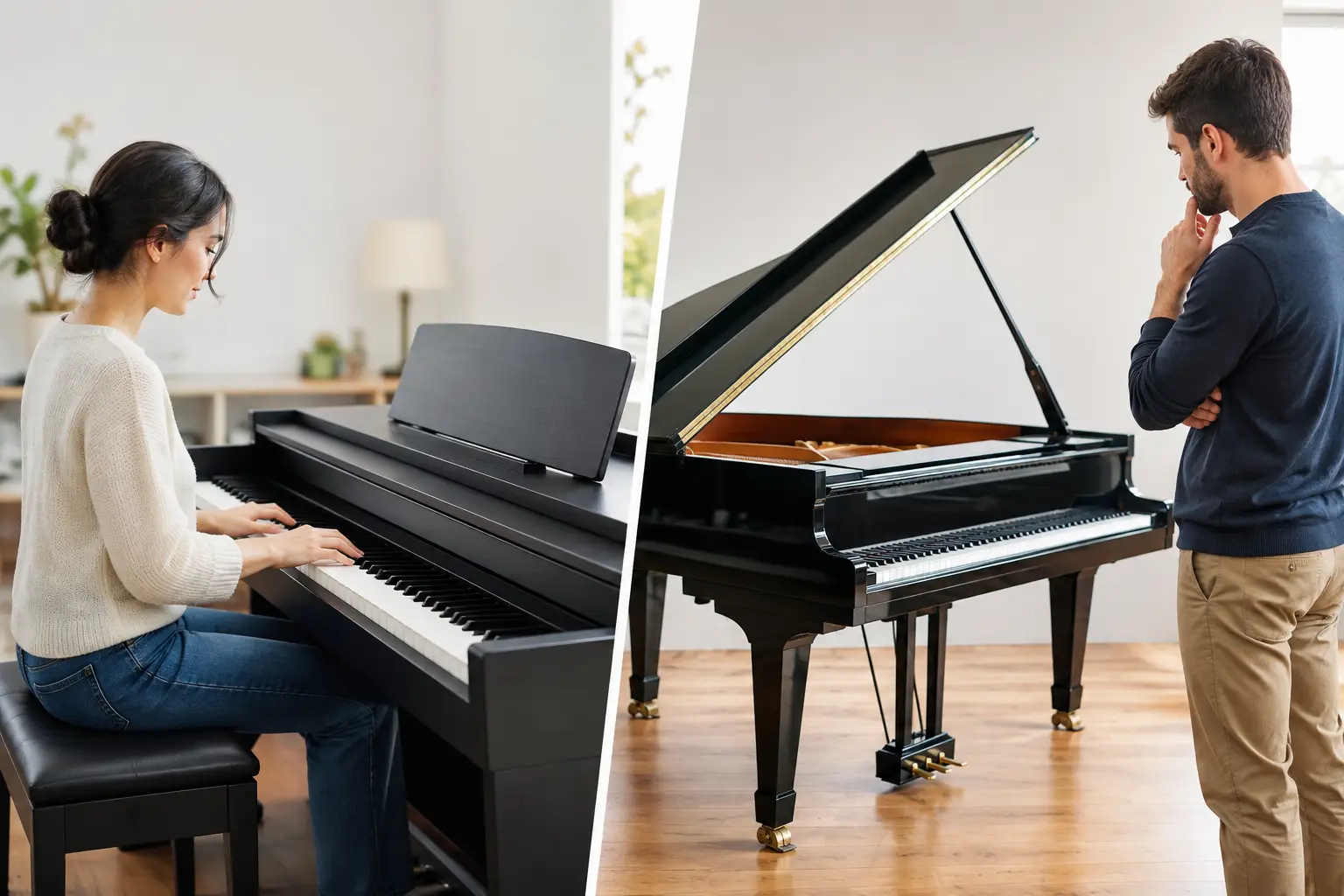
A piano changes the way a home sounds and feels. It can be a child’s first daily practice partner, a musician’s creative outlet after work, or the center of a studio, church, or teaching space. That is why the choice of piano rental versus buying deserves more thought than simply comparing a monthly payment with a sale price. The right answer depends on how long you expect to play, what level of instrument you need, and whether you want the freedom to change course or the stability of owning an instrument you know well.
For some families, renting is a sensible first step. For others, especially those committed to lessons or seeking a quality acoustic piano, buying can be the more economical and satisfying decision over time. The key is to consider the full ownership experience: touch, tone, condition, service needs, delivery, available space, and your musical goals.
Piano Rental Versus Buying: Start With Your Timeline
The most useful question is not, “What is the lowest payment?” It is, “What will this piano need to do for us over the next few years?”
Rental often works best when the timeline is genuinely uncertain. A beginner may be trying lessons for the first time. A family may be between homes, completing a renovation, or unsure whether a large acoustic instrument fits their lifestyle. Renting can provide an immediate, lower-commitment way to bring a piano into the home while keeping future options open.
Buying makes more sense when playing is likely to remain part of the household for several years. A child who has stayed engaged through a year or more of lessons, an adult returning to music, or an advancing student typically benefits from having a consistent instrument. Familiarity matters. The same key action, pedal response, and tonal character day after day allow a player to develop control and confidence.
A piano is not a disposable purchase. A carefully selected, properly maintained upright or grand can provide decades of music. When that is the likely outcome, ownership shifts from a large one-time decision to an investment in daily use, musical progress, and lasting enjoyment.
Compare the Real Costs, Not Only the First Payment
A rental payment can look appealing because it spreads the initial expense over time. That flexibility has value, particularly when you need an instrument now but are not ready to make a long-term commitment. Still, it is worth asking what happens after 12, 24, or 36 months. Depending on the rental agreement, those payments may not build equity in the piano, and you may have paid substantially toward an instrument you do not own.
Buying requires more upfront planning, but it may offer better long-term value. Pre-owned and vintage pianos can make acoustic ownership accessible at a range of price points, provided the instrument has been properly evaluated. A well-prepared used Yamaha upright, for example, may serve a serious student beautifully without the cost of a new grand piano. Financing can also make a purchase more manageable while allowing you to select an instrument that fits your needs from the beginning.
The purchase price is only part of the equation. Acoustic pianos need routine tuning, usually at least once or twice a year depending on use and environmental conditions. They may also need regulation, voicing, or occasional repair as they age. These are not reasons to avoid ownership. They are part of preserving the touch and sound that made the piano worth choosing.
Ask each provider what is included in the agreement or sale. Delivery, stairs, climate considerations, initial tuning, insurance, maintenance, return transportation, and moving fees can significantly affect the final cost. A clear quote is more valuable than a low number that leaves essential services undefined.
The Instrument Itself Matters More Than Many Beginners Expect
A rental piano is not automatically a poor piano, and a purchased piano is not automatically the right one. Condition and preparation matter. A student learns differently on an instrument with responsive keys, reliable tuning stability, and an even tone than on one with sticky notes, uneven action, or worn pedals.
This is where acoustic pianos and digital pianos should be considered separately. A quality digital piano can be an excellent option for apartments, late-night practice, and homes where headphones are essential. It offers predictable maintenance, a smaller footprint, and volume control. For a new player with space or budget limitations, it can be a practical beginning.
But an acoustic piano offers physical and musical qualities that digital instruments do not fully duplicate. The hammers, strings, soundboard, and mechanical action respond to nuances in touch. Players can shape a phrase through weight, speed, and pedal technique in a way that encourages deeper listening. Serious students, teachers, and experienced pianists often find that an acoustic upright or grand supports more expressive playing and more advanced technical development.
If you are renting, play the exact instrument whenever possible. If you are buying, do the same, and do not feel rushed. Listen for an even scale from bass to treble. Test soft and loud dynamics. Play repeated notes, use both pedals, and notice whether the action feels controlled and comfortable. The goal is not to find the most expensive piano. It is to find one that invites you to sit down and play.
Consider Space, Delivery, and Home Conditions
A piano must fit more than its floor measurements. It needs a stable location away from direct sun, heating vents, exterior doors, fireplaces, and major temperature swings. Humidity changes can affect tuning and wood components, especially in Atlanta’s seasonal climate.
An upright is often the best acoustic choice for a family room, dedicated practice area, school, or teaching studio with limited space. Modern professional uprights can provide remarkable tone and projection. A grand piano needs more room, but its longer strings and larger soundboard offer a broader tonal palette and a more refined action. For a committed pianist, the difference can be meaningful.
Before committing to a rental or purchase, measure doorways, hallways, turns, staircases, and the planned piano location. Professional piano delivery is not ordinary furniture moving. The instrument’s weight, finish, legs, pedals, and internal structure all require specialized handling. A successful move begins with planning, not with a truck arriving at the curb.
Buying also means considering future moves. If you expect to relocate soon, that does not rule out ownership, but it should be included in your budget and decision. A professional piano specialist can help you plan for safe delivery now and careful relocation later.
When Renting Is the Better Choice
Renting can be the right call when you are testing commitment, furnishing a temporary residence, or need an instrument for a short-term event or program. It may also suit a family that wants to begin lessons immediately while taking time to learn what size, tone, and action their student prefers.
The important distinction is between a temporary need and a delayed decision. If a student is practicing regularly and enjoying lessons, continuing to rent indefinitely can become less efficient than purchasing a suitable upright or digital piano. Review the agreement after several months rather than letting it run on autopilot.
Before renting, confirm the piano’s age, condition, service history, and what happens if it needs tuning or repair. Ask about minimum terms, return procedures, damage responsibility, and whether any rental payments can be applied toward a future purchase. A reputable arrangement should make those details easy to understand.
When Buying Is the Better Choice
Buying is generally the stronger choice for households that see music as a lasting part of life. It is especially worthwhile for progressing students, teachers, performers, and players who care about a particular instrument’s tone and touch. Ownership gives you the ability to select a piano for your musical priorities rather than accepting whichever model is available in a rental fleet.
It also gives you control over care. With regular tuning and qualified service, an instrument can become more familiar and rewarding over the years. A carefully restored vintage piano may offer character and craftsmanship that appeal to collectors and musicians alike, while a new piano can provide modern consistency and warranty support. Neither path is universally better. The right choice comes down to the piano’s condition, design, musical voice, and intended use.
For buyers with a clear target, it can be helpful to compare several types in person: a dependable Yamaha upright, a traditional grand, a refined European instrument, or even a self-playing piano for a home centered on entertaining. Your ears and hands should have a role in the decision.
Choose a Piano Partner, Not Just a Payment Plan
Whether you rent or buy, the provider matters. A piano is an intricate musical mechanism, and the relationship should not end at delivery. You may need tuning after the instrument acclimates to your home, advice about humidity, repair work years later, or professional moving when life changes.
At A440 Pianos, we believe selecting a piano should feel informed and enjoyable, not intimidating. A thoughtful conversation about your player, room, budget, and plans can narrow the choices quickly and prevent costly compromises.
The best piano decision is the one that makes playing more likely. Choose the option that gives your household a dependable instrument, a realistic financial plan, and the support to enjoy every note for years to come.
0 Comments