


A 70-year-old piano can be a remarkable musical instrument, a costly restoration project, or both. That is why a recognizable name on the fallboard is only the beginning. When shoppers ask about the best vintage piano brands, they are usually looking for a combination of enduring tone, structural quality, resale confidence, and a piano worth maintaining for years to come.
The right choice depends on the instrument’s condition, its scale and design, the quality of any prior restoration, and how it will be used. A vintage grand for a serious pianist has different requirements than a handsome upright for a family home, church, or teaching studio. Still, several makers have earned their reputations across generations.
What Makes a Vintage Piano Worth Buying?
Age does not automatically create value. A piano is a complex acoustic system of wood, cast iron, steel wire, felt, leather, and precision action parts. Even a prestigious instrument can require substantial work after decades of seasonal humidity changes, inconsistent tuning, or hard use.
A worthwhile vintage piano begins with a sound structural foundation. The plate should be sound, the pinblock must hold tuning pins securely, the bridges should be stable, and the soundboard should be evaluated for its condition and musical response. Cosmetic beauty matters, particularly on an heirloom or collector-grade instrument, but it should never outweigh the health of the piano’s core components.
Restoration also deserves a closer look. A properly rebuilt piano may include new strings, pins, hammers, dampers, action components, refinished cabinetry, and careful regulation and voicing. That can transform a deserving instrument. On the other hand, a piano described as “restored” may have received only a polish and a tuning. Ask exactly what was done, when it was completed, and by whom.
Best Vintage Piano Brands for Serious Buyers
Steinway & Sons
Steinway remains the reference point for many premium vintage piano buyers. American-made Steinway grands, particularly well-maintained or professionally rebuilt examples, are sought after for their rich tonal palette, responsive action, and commanding presence. Their design has influenced piano building worldwide, and their name retains powerful appeal among performers, institutions, and collectors.
A vintage Steinway is not automatically a safe purchase simply because it is a Steinway. The brand’s desirability means that neglected instruments are sometimes priced optimistically, while full restorations can command a premium. The best examples deliver a deeply personal sound: warm and resonant in the bass, singing through the middle register, and capable of both delicacy and concert-level power.
For a buyer who wants an heirloom grand with lasting prestige, a thoroughly evaluated Steinway can be an exceptional investment in music and craftsmanship.
Mason & Hamlin
Mason & Hamlin is one of the most respected names in American piano history, especially among knowledgeable players who appreciate a powerful, substantial instrument. Many vintage Mason & Hamlin grands are known for their durable construction, broad tonal character, and impressive bass response. Their full-perimeter plate design and robust build have helped many examples remain structurally compelling candidates for restoration.
These pianos often appeal to pianists who prefer a bold, orchestral sound rather than a lighter, more transparent voice. A well-restored Model A or larger Mason & Hamlin can compete musically with instruments carrying far more familiar names. Their market recognition is strong, though it may be slightly less immediate for casual buyers than Steinway recognition.
Baldwin
Vintage Baldwin pianos represent a high point in American piano manufacturing. The company’s larger grand pianos, including the celebrated Model L and Model R, have long been valued for their rich sound, responsive touch, and excellent musical scale. Many professional musicians and educators consider a well-maintained vintage Baldwin one of the strongest values in the premium used piano market.
Baldwin’s tone can be warm, full, and direct, with enough projection for a larger room or performance setting. These instruments are especially appealing for homes, churches, studios, and schools that need a substantial grand piano without moving immediately into the price range of a fully rebuilt Steinway.
Condition is particularly important with Baldwin. The best choice is an instrument with solid structure, an action that can be regulated properly, and a history of appropriate maintenance or high-quality rebuilding.
Yamaha
Yamaha may be a newer name in the vintage category compared with classic American and European makers, but older Yamaha grands and uprights have earned their place in the conversation. Their reputation is built on consistency, reliable engineering, stable tuning, and a clear, versatile tone that works well across many musical styles.
A vintage Yamaha is often a practical choice for the serious student, teacher, recording space, or family that wants dependable performance. Older C-series grands and U-series uprights can offer excellent value when they have been cared for properly. Their actions tend to feel precise and controlled, and replacement parts and service knowledge are widely available.
For buyers who value reliability as much as heritage, Yamaha is one of the strongest names to consider. It may not offer the same old-world character of a vintage German grand, but it can be a highly satisfying long-term piano.
Kawai
Kawai has a loyal following for good reason. Vintage Kawai pianos often provide a warm, balanced voice and a refined touch at a compelling price point. Like Yamaha, Kawai developed a reputation for consistent manufacturing and thoughtful piano design, making many older examples attractive for homes, teaching studios, and advancing pianists.
The brand is particularly strong in quality upright pianos, where a well-maintained instrument can provide far more musical satisfaction than an inexpensive new piano. Larger vintage Kawai grands can also be excellent choices for buyers seeking a polished, dependable instrument with a gentler tonal profile than some American-built alternatives.
As with every vintage piano, the individual example matters more than the badge alone. A carefully serviced Kawai with stable tuning and a responsive action can be a smarter purchase than a more prestigious piano in poor condition.
Blüthner and Other Fine European Makers
For buyers drawn to distinctive European character, Blüthner deserves close attention. Vintage Blüthner pianos are known for their lyrical, complex sound and elegant German craftsmanship. Their tonal personality can be especially appealing for classical repertoire, intimate home settings, and collectors seeking something beyond the familiar American sound.
The trade-off is that European vintage pianos can require more specialized evaluation and restoration expertise. Parts, scale design, and original construction details may differ from mainstream American or Japanese instruments. A qualified technician should assess the piano thoroughly before purchase, particularly if it has been imported or has an unclear service history.
Other respected European names, including Bösendorfer, Bechstein, and Grotrian, can be extraordinary vintage instruments. They are generally best approached as individual opportunities rather than broad brand purchases. An exceptional example can be unforgettable. A neglected one can demand a restoration budget that exceeds its practical market value.
Vintage Uprights Deserve Serious Consideration
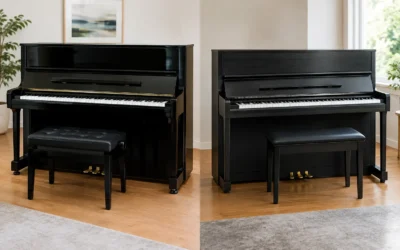
Grand pianos receive most of the attention, but a premium vintage upright can be the right answer for many homes and organizations. Older Yamaha and Kawai uprights are valued for their reliability, while vintage Baldwin and Mason & Hamlin uprights may offer impressive tonal depth and cabinetry. Select Steinway uprights also hold strong appeal when their condition supports the name.
An upright is not merely a compromise when space is limited. A tall, well-designed professional upright can offer a satisfying action, considerable dynamic range, and a strong musical presence. It is often a better choice than a small baby grand with limited string length and a compromised scale.
How to Buy With Confidence
Before choosing among the best vintage piano brands, arrange for a comprehensive evaluation by a qualified piano technician or work with a specialty dealer that has already assessed the instrument. Listen for an even scale from bass to treble, play every key, test the pedals, and notice whether the action responds consistently at soft and loud dynamics.
Ask about tuning stability, past rebuilding work, and the current state of the hammers, strings, dampers, pinblock, soundboard, and bridges. If the piano has been refinished, confirm whether the work was cosmetic only or part of a larger restoration. A beautiful ebony finish does not tell you whether the piano will hold pitch through the changing seasons.
Delivery matters as well. Vintage pianos should be moved by trained piano movers with the equipment and insurance to protect both the instrument and the property. Once installed, the piano should be allowed to acclimate before tuning. Ongoing tuning, regulation, and occasional voicing are part of responsible ownership, especially for an instrument intended to be played regularly.
At A440 Pianos, buyers can compare a curated range of premium used and vintage instruments while also arranging the specialized delivery, tuning, repair, and restoration support that a significant piano purchase deserves.
The finest vintage piano is not necessarily the oldest, rarest, or most expensive one in the room. It is the instrument whose condition, tone, touch, and history align with the music you want to make – and one you will be proud to care for long after the first note is played.

0 Comments