


A piano is not simply furniture with 88 keys. It becomes part of a home’s rhythm: the place a child practices after school, a teacher demonstrates a phrase, or a serious player returns to the repertoire that matters most. When comparing grand vs upright pianos, the right choice is rarely about which instrument is objectively better. It is about which piano gives you the musical response, physical fit, and long-term value you need.
Grand pianos are often the dream purchase, and for good reason. Their sound, action, and visual presence can be extraordinary. Yet a well-built upright can be an excellent musical instrument, especially for a family home, teaching studio, apartment, or player who values quality without dedicating a large room to the piano. Understanding the practical differences makes the decision far more rewarding.
Grand vs Upright Pianos: The Core Difference
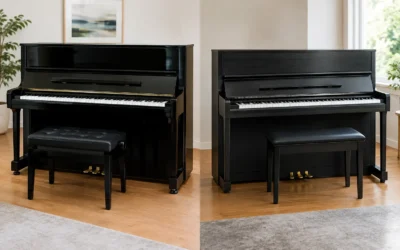
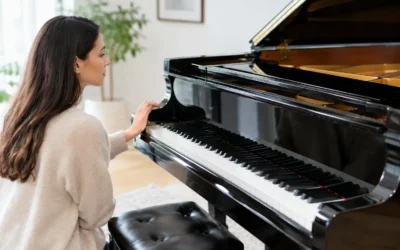
The biggest distinction is the way each instrument is built. In a grand piano, the strings run horizontally, and the action uses gravity to reset the hammers after a note is played. In an upright piano, the strings and action are arranged vertically to save floor space. That vertical design is remarkably effective, but it creates a different playing and listening experience.
A grand piano generally offers more string length, a larger soundboard, and greater tonal complexity. The player may hear a wider range of color, from a delicate pianissimo to a full, resonant fortissimo. The longer keys and horizontal action also allow for faster note repetition and more precise control at advanced levels.
An upright piano is designed around efficiency. It brings acoustic piano sound and traditional touch into a smaller footprint, usually against a wall. A quality upright from Yamaha, Steinway & Sons, Blüthner, or another respected maker can be beautifully responsive, musically expressive, and suitable for years of lessons and serious practice.
Touch and repetition
Grand actions reset more quickly because gravity helps return the action to its resting position. This matters most in fast repeated notes, delicate trills, and demanding classical repertoire. Advanced pianists often notice the difference immediately, particularly on a well-regulated grand.
That said, the gap is not always as dramatic as buyers expect. A professionally maintained upright with a properly regulated action can feel responsive and satisfying. For a beginner, intermediate student, hobbyist, or many church and studio settings, a quality upright provides far more musical capability than the player may ever outgrow.
Tone and projection
A grand piano typically fills a room with greater depth and sustain. Its bass can have more weight, its treble more sparkle, and its middle register more warmth. Larger grands usually produce more power and tonal richness, although size alone does not guarantee quality. A carefully restored 5-foot-7-inch grand may be a more compelling instrument than a poorly maintained larger piano.
Uprights have a more direct sound. Their tone can be warm, bright, clear, or mellow depending on the manufacturer, model, age, condition, and voicing. A professional upright, such as a Yamaha U3 or a fine European model, can project remarkably well. In a smaller room, its focused sound may actually feel more balanced than an oversized grand.
Space Is More Than Floor Measurements
A grand piano needs room around it, not just a spot where it technically fits. Measure the instrument’s length and width, then allow space for the bench, the pianist, and comfortable movement through the room. A 5-foot baby grand may be manageable in many living rooms, while a 7-foot grand can quickly dominate a space if the layout is not planned carefully.
Room acoustics deserve equal attention. Hard floors, large windows, and bare walls can make a piano sound sharper and louder. Rugs, curtains, upholstered furniture, and thoughtful placement help control reflections. A grand should not be pressed against a wall as if it were an upright. Its lid, soundboard, and open shape need room to speak.
An upright is often the practical choice where floor space is limited. Most are placed along an interior wall, away from direct sunlight, heating vents, fireplaces, and exterior walls that experience significant temperature swings. Its smaller footprint can leave room for family life without sacrificing the experience of owning an acoustic piano.
Before purchasing either type, measure doorways, hallways, stairs, turns, and elevator access. Piano delivery is specialized work. A piano’s weight, finish, action, and structure require trained movers, the right equipment, and a clear plan from pickup to placement.
Cost, Condition, and Long-Term Ownership
Grand pianos usually cost more than uprights of similar quality because they require more material, more complex construction, and more space to manufacture. They can also involve higher delivery costs due to their size and handling requirements. For buyers considering a premium new piano, restored vintage instrument, or collectible model, a grand can be a meaningful investment in both music and craftsmanship.
A good upright often represents outstanding value. It can provide an authentic acoustic experience at a more accessible price point, leaving room in the budget for professional delivery, tuning, climate care, a bench, and future maintenance. For families beginning lessons, that balance can be especially sensible.
Condition matters as much as the piano’s name on the fallboard. A used or vintage piano should be evaluated for its soundboard, pinblock, strings, hammers, action parts, cabinet condition, and tuning stability. A beautiful exterior does not always indicate a healthy instrument inside. Likewise, an older piano from a respected manufacturer can be an exceptional purchase when it has been properly restored and serviced.
Both grands and uprights need regular care. Most home pianos benefit from tuning at least once or twice per year, depending on use and environmental changes. Regulation, voicing, minor repairs, and humidity control protect the playing experience over time. A piano should be purchased with a plan for ownership, not treated as a one-time transaction.
Which Piano Fits Your Playing Goals?
For a beginning student, consistency matters more than piano shape. A stable, in-tune acoustic piano with a functional action encourages correct technique and makes practice more enjoyable. A quality upright is often the strongest fit for a first piano, particularly when space and budget are important considerations.
For an advancing student, teacher, or serious amateur, the decision depends on repertoire and expectations. If the player is developing advanced technique, preparing for auditions, or spending significant time with Romantic, impressionist, or virtuosic literature, a grand can provide valuable tonal and mechanical advantages. A larger upright may still be the right answer when a grand does not fit the room or the budget.
For professional musicians, recording spaces, and teaching studios, a grand often provides the flexibility needed for performance, collaboration, and detailed musical work. The ideal size varies. A baby grand can be an elegant home instrument, while a 6-foot or 7-foot grand may offer greater authority for a larger studio or performance environment.
Collectors and design-focused buyers may have different priorities. A vintage Steinway, a distinctive European upright, or a designer self-playing piano can be chosen for history, visual character, and the way it complements a space. In those cases, expert guidance is particularly useful because authenticity, restoration quality, and future service needs all affect value.
Play Before You Decide
Specifications are useful, but your hands and ears should have the final say. Play familiar music on several pianos if possible. Listen for clarity in the bass, warmth in the middle register, and comfort in the treble. Test soft playing as carefully as loud playing. Notice whether the keys feel controlled, whether the pedals respond naturally, and whether the sound invites you to keep playing.
It also helps to bring the decision back to everyday use. Will the piano support nightly practice? Will it serve a growing student for the next several years? Will it be played for guests, teaching, composing, or personal enjoyment? The best instrument is the one that fits that real life beautifully.
At A440 Pianos, piano selection is approached as part of a complete ownership experience, including guidance on condition, placement, professional delivery, tuning, repair, and restoration. Whether you choose a grand or an upright, choose the piano that makes you want to sit down, open the lid or fallboard, and play one more piece.

0 Comments