


A concert-worthy grand does not have to arrive with a factory-fresh price tag. For many serious buyers, premium used grand pianos offer the most intelligent path to better tone, stronger craftsmanship, and more piano for the investment. The key is knowing which instruments have real long-term value and which ones only look impressive on a showroom floor.
Why premium used grand pianos deserve serious attention
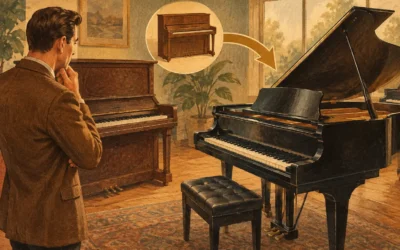
A well-selected used grand can outperform a lesser new instrument in the areas that matter most – tonal depth, touch, cabinet quality, and musical authority. That is especially true when you are comparing respected makers such as Steinway, Yamaha, Kawai, Baldwin, or European brands with proven design history. In many cases, a premium used piano gives a player access to a higher tier of instrument than they could reasonably reach by shopping new.
There is also a practical side to the decision. Grand pianos are long-life instruments. If they have been maintained correctly, stored in stable conditions, and prepared by qualified technicians, they can continue serving homes, studios, churches, and teaching spaces for decades. Age alone is not the issue. Condition, rebuild quality, and ongoing service history matter far more.
For buyers who want prestige and performance without compromising on support, this category makes particular sense. You are not simply buying a piece of furniture or a recognizable logo. You are buying an instrument whose musical behavior will affect every lesson, rehearsal, recital, and personal practice session.
What separates a premium used grand piano from an ordinary one
Not every used grand belongs in the premium category. The difference usually comes down to four things: original build quality, present condition, musical preparation, and service backing.
Original build quality starts with the manufacturer. Premium brands earn their reputation through scale design, action engineering, rim construction, soundboard quality, and consistency over time. A used Steinway Model M, Yamaha C series, Kawai RX or GX predecessor, or a well-kept Baldwin grand often enters the market with a stronger musical foundation than many lower-tier instruments ever had when new.
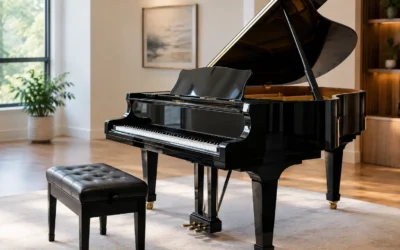
Present condition is where many buyers make costly mistakes. Cabinet shine can be restored. A polished ebony finish can look spectacular under lighting. But cosmetic appeal should never distract from the technical core of the piano. The condition of the soundboard, bridges, pinblock, strings, action parts, keyframe, hammers, and pedals tells the real story. A premium used piano should feel stable, responsive, and mechanically honest.
Preparation is equally important. Even a respected piano can disappoint if it has not been regulated, voiced, tuned, and inspected correctly. The best instruments in this category are not simply traded in and rolled onto a sales floor. They are evaluated and serviced so the buyer can hear what the piano is actually capable of.
Service backing matters because ownership begins after delivery. White-glove transport, professional setup, future tuning, repair access, and restoration support all affect whether the purchase remains satisfying over the long term.
How to evaluate premium used grand pianos before you buy
The smartest buyers listen with their ears, play with their hands, and ask direct technical questions. Start with tone. Some pianos produce a bright, clear, projecting sound that suits contemporary repertoire, teaching studios, and larger rooms. Others offer a warmer, darker, more layered tone that appeals to collectors and players who want complexity. Neither is automatically better. It depends on the player, the room, and the intended use.
Touch is just as personal. A grand piano should respond evenly from bass to treble, with predictable repetition and control at soft and strong dynamics. If the action feels uneven, sluggish, overly heavy, or inconsistent from note to note, the piano may need significant regulation or deeper mechanical work.
Ask about the piano’s age, previous environment, and service record. A piano that spent years in a climate-controlled home and received regular maintenance is a different proposition from one that sat neglected in an unstable space. Ask whether any parts were replaced, whether the piano was rebuilt or restored, and who performed that work. Good rebuilding can add tremendous value. Poor rebuilding can create years of problems.
If possible, spend enough time at the keyboard to move beyond first impressions. Play softly. Play repeated notes. Use the pedal. Test balance across registers. A premium instrument should reveal more character the longer you sit with it, not less.
Brand matters, but not in a simplistic way
Brand recognition has real value in the premium piano market, but it should not be the only factor. Steinway carries exceptional prestige and often appeals to buyers who want heritage, resale strength, and a distinctly recognizable tonal personality. Yamaha is prized for clarity, reliability, and precision, making it a favorite for institutions, advanced students, and performance-focused homes. Kawai often attracts buyers who want refined touch and consistency. Baldwin remains compelling when buyers find stronger American-built examples with rich tonal presence.
Still, the best choice is not always the most famous name in the room. A beautifully prepared instrument from a slightly less obvious brand can be a better musical and financial decision than a poorly maintained piano with a luxury badge.
The role of size, room, and intended use
Grand pianos are not one-size-fits-all purchases. A baby grand may suit a refined living space and still provide excellent musical satisfaction, while a larger grand may be the right choice for a teacher, church, or advanced pianist who needs more tonal power and a longer bass scale. Bigger is not automatically better if the room cannot support it.
Room acoustics matter more than many buyers expect. Hard surfaces can make a bright piano feel too aggressive. Thick carpeting and heavy drapery can reduce presence and projection. The same piano can feel intimate in one home and overpowering in another. This is why experienced guidance is valuable. Matching the instrument to the space is part of buying well.
Intended use should guide the final decision. A beginner’s family may prioritize reliability, tone, and value retention. A conservatory-bound student may need more color range and finer control. A collector may care deeply about case design, period significance, or a specific maker’s voice. A church or studio may put durability and consistent performance at the top of the list. Premium used grand pianos serve all of these buyers, but not with the same instrument.
Why dealer preparation changes the outcome
There is a major difference between buying from a specialist and buying from a general marketplace seller. Private sellers may offer attractive prices, but many buyers underestimate the risk. Moving a grand piano incorrectly can cause damage. Hidden structural issues are easy to miss. Action wear, tuning instability, and deferred repairs often appear only after the piano is in the home.
A specialist retailer with technical capability offers a more complete standard of care. That includes inspection, service preparation, accurate condition assessment, safe delivery, and ongoing support. For a high-value purchase, that infrastructure is not an extra. It is part of the value.
This is where a full-service company such as A440 Pianos stands apart for serious buyers. Curated inventory is only one part of the equation. The ability to support moving, tuning, repair, restoration, and financing creates confidence that the instrument can be selected, delivered, and maintained properly.
Common mistakes buyers make with used grands
The most common mistake is buying with the eyes first and the ears second. A dramatic cabinet, polished finish, or famous name can create urgency, but premium value depends on performance and condition. Another frequent mistake is assuming every older piano is either a hidden treasure or a worn-out liability. The truth is more nuanced. Some vintage grands are extraordinary. Others are expensive restoration projects.
Buyers also tend to overlook total ownership cost. Delivery, tuning after the move, climate stability, and occasional repairs should all be part of the budget. That does not make ownership less appealing. It simply means the investment should be viewed realistically.
The final mistake is moving too quickly without comparing several instruments. Even within the same brand and model line, one piano can feel very different from another. A careful comparison often reveals which instrument has the best balance of tone, touch, appearance, and long-term value.
When a premium used grand is the right investment
If you want an instrument with musical authority, visual presence, and lasting value, a premium used grand is often the strongest option in the market. It allows buyers to step into a higher class of piano while still prioritizing practical concerns like service support and financial efficiency. For many homes, studios, and institutions, it is the most sensible way to buy something exceptional.
The right piano should feel convincing before you own it and rewarding long after it arrives. When the brand, condition, preparation, and service support all align, the purchase stops feeling like a gamble and starts feeling like the beginning of a serious musical life.
0 Comments