


A restored piano can offer something a new instrument cannot: established character, distinguished design, and the musical potential of a fine instrument brought back to proper playing condition. But restoration is not a single standard. Two pianos may both be called “restored” while representing very different levels of craftsmanship, longevity, and value. Knowing how to choose a restored piano means looking beyond a polished cabinet and asking the right questions about the work beneath the surface.
For a family investing in a serious student piano, a church selecting an instrument for regular services, or a collector seeking a vintage grand with presence, the best choice is one that combines musical satisfaction with confidence in its condition. The goal is not simply to buy an older piano. It is to select a premium instrument whose restoration supports years of reliable performance.
How to Choose a Restored Piano: Start With the Scope of Work
The word “restored” should always lead to a practical conversation: What, specifically, was restored? A quality piano restoration can range from targeted rebuilding of worn components to a comprehensive renewal of the instrument’s action, strings, soundboard, pinblock, finish, and interior structure.
Cosmetic refinishing alone may improve a piano’s appearance, but it does not resolve age-related wear in the action or structural concerns inside the case. Conversely, a mechanically rebuilt piano may be an exceptional performer even if its exterior is not finished to showroom-level perfection. The right balance depends on your priorities, but the seller should be able to describe the work clearly and directly.
Ask whether the piano has received new strings and tuning pins, whether the hammers and dampers were replaced or reshaped, and whether the action was regulated after the work was completed. On a grand piano, inquire about the condition of the bridges, pinblock, soundboard, and keyframe. On an upright, the action, back posts, cabinet structure, and pedal system deserve particular attention.
A complete restoration is a significant investment because it addresses the components that govern tuning stability, touch, and tone. A partial restoration can still be an excellent value when it has been performed thoughtfully and matches the piano’s current condition and intended use.
Evaluate the Piano’s Musical Foundation
A beautiful cabinet cannot compensate for a weak musical foundation. Before focusing on finish color, brand prestige, or decorative details, listen carefully to the piano’s tone and feel the response of its action.
Play across the full keyboard, from the low bass to the highest treble. Listen for a consistent tonal character rather than identical sound from every note. A fine piano should have variation across its range, but abrupt changes in volume, brightness, or sustain can signal regulation, voicing, or structural issues that deserve further inspection.
Pay close attention to sustain. Play a note softly, then firmly, and hear how long it carries. Test a few chords in different registers. A restored piano should produce a clear, singing tone that matches the scale and character of the instrument. Some players prefer the warmth and depth of a vintage American grand, while others favor a more focused, brilliant sound. Neither preference is automatically better. What matters is whether the piano gives you the tonal voice you want to hear every day.
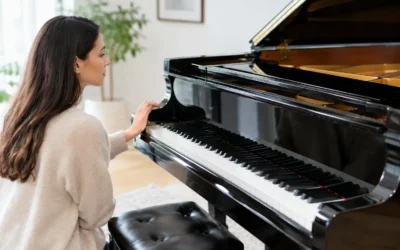
The touch should feel even and controlled from key to key. Keys should return promptly, repeated notes should respond cleanly, and the action should allow both soft playing and confident projection. Serious students and performance-focused buyers often benefit from spending unhurried time at the keyboard. A piano is not chosen with the eyes alone.
Understand What Can Be Adjusted
Regulation and voicing can refine a piano substantially. A skilled technician can improve touch consistency, adjust hammer alignment, shape the tone, and correct many signs of ordinary wear. However, these services are not substitutes for a healthy structure.
If a piano lacks tuning stability, has serious soundboard problems, or shows extensive deterioration in its action components, routine service will not transform it into a dependable long-term instrument. This is why a knowledgeable assessment matters before purchase.
Look Beyond the Finish and Into the Structure
A professionally refinished cabinet can be a major benefit, especially for a piano intended to complement a refined home, sanctuary, teaching studio, or event space. The finish should be smooth, consistent, and appropriate to the instrument’s style. On vintage pianos, quality restoration respects original design details rather than obscuring them.
Still, the structural elements are more consequential. Examine the soundboard for cracks, but do not assume every visible crack is a deal-breaker. Hairline soundboard cracks are common in older pianos and may have little effect on performance if the board remains stable and the piano holds its tuning. What matters is the overall condition of the board, ribs, bridges, and crown, along with the instrument’s tonal response.
The pinblock is equally important. This laminated hardwood component holds the tuning pins under tremendous pressure. A piano that cannot hold a stable tune may need more than a standard tuning appointment. Ask whether the pinblock was evaluated or replaced during restoration, particularly on older grand pianos.
Also inspect the plate, strings, and bridges. Rusted strings, loose bridge pins, or visible separation around bridge areas can point to work that may be needed. Premium restoration does not mean every historic mark disappears. It means the piano has been evaluated honestly, restored appropriately, and prepared for dependable ownership.
Choose the Right Brand, Model, and Size for Your Goals
Brand matters, but it should not make the decision for you. Steinway, Baldwin, Yamaha, Kawai, Blüthner, and other respected makers have produced exceptional instruments across different periods and models. The individual piano’s condition, restoration quality, and musical personality matter as much as the name on the fallboard.
A smaller grand may be ideal for an elegant living room, yet a larger instrument generally offers more string length, tonal depth, and projection. That does not mean larger is always better. A piano that overwhelms the room acoustically or physically may be less satisfying than a well-chosen baby grand or professional upright.
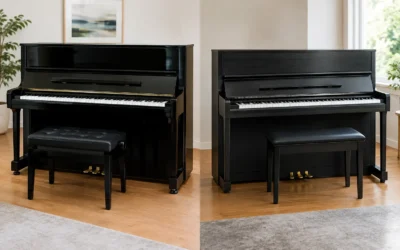
For beginning players, a properly restored upright can provide an excellent musical foundation and a more practical footprint. For advanced students, teachers, recording spaces, and collectors, a restored grand may offer greater dynamic range and expressive control. Consider who will play the instrument, how frequently it will be used, and whether it needs to fill a room or serve an intimate home setting.
Verify the Seller’s Expertise and Support
The purchase experience should be as carefully considered as the piano itself. A specialist seller should be prepared to discuss the instrument’s history, restoration work, condition, and musical characteristics without vague claims or pressure.
Ask about post-purchase service, warranty coverage where applicable, delivery procedures, and recommendations for ongoing tuning. Pianos are sensitive to humidity, seasonal changes, and relocation. Even a meticulously restored instrument needs proper moving, placement, and regular maintenance to remain at its best.
This support becomes especially valuable for buyers purchasing from outside their immediate area. Safe piano moving is not ordinary furniture delivery. Grand pianos require specialized handling, proper equipment, and technicians who understand how to protect the case, action, pedals, and finish. A440 Pianos provides the kind of full-service guidance that helps buyers coordinate restoration, delivery, tuning, and long-term care through one experienced piano partner.
Match the Investment to the Piano’s Future
A restored piano should be evaluated as both a musical instrument and a long-term ownership decision. The lowest price is not always the strongest value if the instrument soon requires major action work, restringing, or structural repairs. At the same time, not every buyer needs a museum-level restoration.
A family purchasing a piano for lessons may prioritize a stable, responsive instrument with a refined appearance and dependable service history. A collector may place greater value on original design, rare cabinetry, or a particular era of production. A performance venue may need powerful projection, precise repetition, and the ability to withstand frequent use.
Be realistic about the total cost of ownership. Plan for professional delivery, an initial tuning after the piano acclimates to its new location, and continued tuning at least once or twice each year depending on use and environment. Proper humidity control can also protect the investment, particularly in regions with dramatic seasonal changes.
The best restored piano is not simply the one with the newest finish or the most recognizable name. It is the instrument whose restoration has honored its original potential, whose tone inspires the player, and whose condition supports the life you expect it to lead. Take time to listen, inspect, and ask informed questions. When the right piano responds under your hands, the decision becomes less about buying something old and more about bringing lasting music into your home or institution.

0 Comments