


A piano brand can change the entire buying experience before you play a single note. Some names carry a legacy of concert performance. Others are known for consistency, value, or durability in busy homes and teaching studios. If you are figuring out how to choose piano brands, the real question is not which name is most famous. It is which brand fits your ear, your space, your goals, and the level of service you expect after the sale.
How to choose piano brands without buying on reputation alone
Brand recognition matters, but it should never be the only reason to buy. A well-known name can signal strong design standards, resale appeal, and a long history of craftsmanship. At the same time, two pianos from different makers can suit the same player for very different reasons. One may offer a warm, singing tone that suits classical repertoire, while another delivers a brighter, more immediate sound that works beautifully for pop, worship, or teaching environments.
This is where many buyers get stuck. They compare logos instead of instruments. In practice, the better approach is to start with the player and the purpose. A family purchasing a first acoustic piano has different needs than a conservatory student upgrading from an entry-level upright. A church, collector, or studio may care as much about projection, visual presence, and long-term serviceability as about brand prestige.
The strongest piano purchase usually happens when brand, condition, touch, tone, and service support align.
Start with how the piano will actually be used
A piano for a beginner does not need the same personality as a piano for advanced performance. If the instrument will live in a family room and support several years of lessons, reliability and consistency may matter more than rare prestige. Yamaha and Kawai are often respected in this category because they tend to offer stable performance, clear touch, and broad availability of parts and service. They are familiar choices for teachers for a reason.
If the buyer is more advanced, the conversation shifts. Tone color becomes more personal. Touch becomes more demanding. A player may want the rounder, more complex voice often associated with European instruments, or the power and presence that come with certain American classics. Brands such as Steinway, Baldwin, and Blüthner can enter the picture here, especially when the buyer wants a piano with musical character and historical significance.
Use matters for institutions too. A church may want a grand piano with strong projection and visual elegance. A teaching studio may prefer a responsive upright that holds up under daily use. A collector may be drawn to a vintage brand because of cabinet design, heritage, or a specific tonal profile that modern production does not quite replicate.
New, used, and vintage brand value are not the same thing
One of the biggest mistakes buyers make is assuming a brand name means the same thing across every age and condition. It does not. A premium used piano from a respected maker can be a much stronger value than a new piano from a lesser-known brand. On the other hand, a neglected instrument from a famous manufacturer can become an expensive lesson.
When evaluating used or vintage pianos, brand should be viewed through the lens of condition. Has the piano been properly maintained? Has it been restored or rebuilt with care? Are the soundboard, pinblock, bridges, action parts, and finish in healthy condition for its age? These questions matter as much as the decal on the fallboard.
This is especially true in the luxury and heritage categories. A vintage Steinway may offer extraordinary musical depth and cabinet presence, but only if it has been maintained or restored to a high standard. The same principle applies to Baldwin and other legacy American instruments. Buying from a specialist with technical expertise matters because used and restored pianos are not interchangeable products.
Tone and touch should guide brand selection
Every serious buyer should spend time listening for tonal identity and feeling the action. This is where brand differences become real.
Some brands are known for a bright, clean sound with strong note separation. That can be ideal for contemporary music, teaching clarity, and lively home use. Others are admired for warmth, depth, and a more layered singing quality that rewards nuanced playing. Neither is automatically better. It depends on the player.
Touch is just as important. Some pianos feel lighter and quicker under the fingers. Others feel heavier, which can appeal to players who want resistance and control. Students preparing for higher-level repertoire often benefit from an action that encourages technique development rather than simply feeling easy.
A buyer comparing Yamaha and Kawai may notice subtle differences in action feel and tonal shape, even though both brands are widely respected for consistency. A buyer comparing Steinway and Blüthner may be listening for a more dramatic difference in tonal personality and expressive range. Those comparisons cannot be settled by specifications alone. They have to be experienced.
How to compare piano brands in a practical way
The smartest comparison is not ten brands at once. It is two or three serious contenders within your budget, compared side by side.
Listen for whether the bass feels full without turning muddy, whether the middle register sings, and whether the treble becomes sweet or sharp as you play harder. Then pay attention to touch repetition, control at soft dynamics, and how evenly the piano responds across the keyboard. A premium piano should feel coherent from one end to the other.
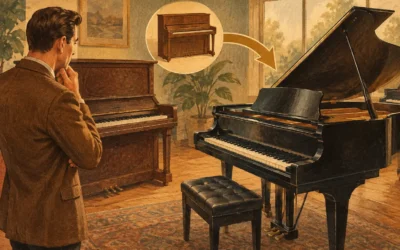
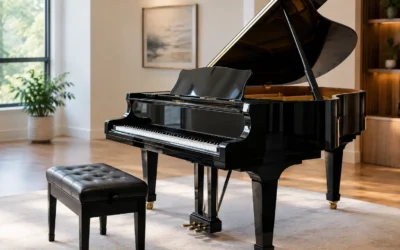
You should also compare cabinetry, finish quality, and overall presence. For many buyers, especially those placing a piano in a formal living area, sanctuary, or performance space, visual design is part of the purchase. A polished ebony grand makes one statement. A rare cabinet style, traditional wood finish, or specialty instrument makes another. Brand often influences those options, but inventory and restoration quality matter too.
Service support is part of the brand decision
A piano is not a one-time transaction. It is a long-term ownership experience. That is why service support should shape how you choose piano brands.
Some instruments are simply easier to support over time because technicians know them well and parts are more accessible. That can be a major advantage for families, schools, and churches that want predictable maintenance. In higher-end categories, expert service becomes even more important. Premium used and vintage pianos often require informed regulation, tuning, voicing, and climate-aware care to perform at their best.
This is where a full-service piano company adds value beyond inventory. A buyer is not just choosing between names like Yamaha, Steinway, Baldwin, Kawai, or Blüthner. The buyer is also choosing the quality of inspection, preparation, delivery, setup, and future service. A440 Pianos works with buyers who want that complete support, especially when the purchase involves a premium used, restored, or specialty instrument.
Budget should shape the shortlist, not lower the standard
A realistic budget helps narrow the field, but it should not push you into a rushed decision. There is a difference between affordable and cheap, just as there is a difference between premium and overpriced.
In many cases, a carefully selected used piano from a respected brand offers stronger long-term value than a new piano built to hit a low price point. Better materials, better scale design, and better action quality tend to remain noticeable years later. That is why many experienced buyers would rather own a well-prepared used piano from a trusted maker than a brand-new instrument with limited musical depth.
If budget is flexible, think in terms of longevity. Will this be a starter piano for five years, or an instrument you hope to keep for decades? If the answer is decades, brand heritage, build quality, and serviceability deserve more weight.
When prestige matters and when it does not
Prestige is not a frivolous factor. In certain settings, it matters. A concert space, luxury home, church platform, or collector’s room may benefit from a brand with recognized stature. That recognition can reflect real musical and historical value, and it can contribute to resale confidence later.
Still, prestige should support the decision, not control it. A highly regarded name does not automatically mean that specific piano is the best fit. A less celebrated model in exceptional condition may outperform a famous name that has been poorly maintained. Buyers who understand that tend to make stronger decisions.
The best brand is rarely the one with the loudest reputation. It is the one that delivers the right sound, touch, condition, appearance, and ownership experience for your needs.
Take your time with the comparison, but not so much time that you stop trusting your own ear. When the right piano is in front of you, the brand should feel like confirmation, not persuasion.

0 Comments