


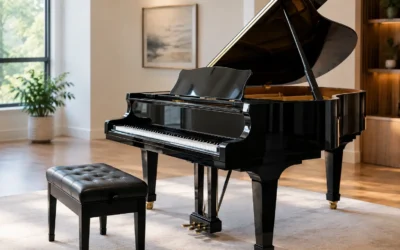
A Kawai RX grand is often the piano buyers choose when an entry-level instrument no longer feels satisfying, but a concert grand is neither practical nor necessary. It offers the scale, control, and visual presence of a serious acoustic grand without demanding a Steinway-level investment. This Kawai RX grand review looks at what makes the series compelling, where condition matters most, and which buyers will get the most from one.
What the Kawai RX Grand Was Built to Be
The RX series was Kawai’s premium performance-grand line before the current GX series. Manufactured in Japan, these pianos were designed for advanced homes, teaching studios, churches, schools, and smaller performance venues. They sit above many consumer-oriented grands in the Kawai family and were built with the musical demands of serious players in mind.
The central appeal is balance. A well-maintained RX can produce a clear, singing tone with enough warmth to avoid sounding overly bright or metallic. Its scale design supports a strong bass foundation, while the middle and upper registers retain definition as the player increases volume. That makes the instrument comfortable for classical repertoire, jazz voicings, accompaniment, and daily technical practice.
Kawai’s engineering focus is evident in the action. Depending on the production year and model, RX grands may feature advanced composite action components or later versions of Kawai’s Millennium action technology. These materials were intended to provide stability through seasonal humidity changes while keeping the action responsive and consistent. For a player, that usually translates to a controlled repetition, a predictable key return, and less of the sluggish feeling sometimes found in older traditional actions.
Still, no action design eliminates the need for regulation. A 20-year-old RX that has gone without professional service can feel far less impressive than a properly prepared example from the same year.
Kawai RX Grand Review: Tone and Touch
The RX sound is best described as refined, direct, and versatile. Compared with many Yamaha grands, an RX often presents a slightly rounder tonal profile, particularly when it has been voiced with warmth in mind. Compared with older American grands, it may offer more clarity and consistency from note to note, although it may not have the same individual, vintage character.
That consistency is a major advantage for students, teachers, and institutions. A pianist can move from the bass through the tenor and treble without encountering sudden changes in color or volume. The piano responds well to a broad dynamic range, from quiet accompaniment to a full, projecting fortissimo.
Its tone is not automatically dark. Some RX pianos, especially those kept in lively rooms or voiced for projection, can be bright and assertive. This is why purchasing from recordings alone is risky. Voicing, hammers, strings, room acoustics, and technician preparation all influence what a buyer hears. The right question is not whether every RX sounds warm, but whether the specific piano has the tonal character that suits the buyer’s repertoire and space.
The touch is another strong point. Many players appreciate the RX for its even resistance and quick response. It tends to reward controlled technique rather than forcing the player to work through a heavy action. Advanced pianists may find it less weighty than certain European instruments, while developing players often find that its predictability supports better habits.
Choosing the Right RX Size
The RX line includes several lengths, and size changes more than the cabinet footprint. It affects string length, bass response, projection, and the amount of musical detail available to the player.
The compact RX-1, at roughly 5 feet 5 inches, can be a strong choice for a music room where space is limited. The RX-2, around 5 feet 10 inches, is a popular home and studio size because it brings more bass depth and tonal authority without dominating the room. The RX-3, at approximately 6 feet 1 inch, is often the sweet spot for buyers seeking a substantial performance instrument for serious study, teaching, or a larger home.
Larger models such as the RX-5, RX-6, and RX-7 offer progressively greater scale, projection, and low-register power. They are better suited to spacious residences, churches, conservatories, and performance settings. A larger grand is not automatically the better purchase, however. An RX-3 in excellent mechanical condition will usually be more rewarding than a neglected seven-foot grand that needs major action, string, or structural work.
Room size also matters. A bright seven-foot piano in a hard-surfaced room can overwhelm listeners. Rugs, upholstered furniture, wall treatments, and professional voicing can help, but buyers should select the instrument for both the musical goal and the environment where it will live.
What to Inspect Before Buying a Used RX
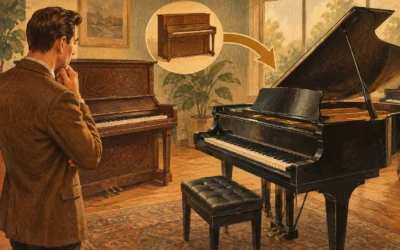
A used Kawai RX can represent exceptional value, but the series spans many production years. Condition should drive the decision more than the finish or the seller’s description of the piano as “like new.”
Begin with the structure. The soundboard should be inspected for condition, crown, and any cracks that may affect performance. The pinblock and tuning pins should hold tuning securely. A piano that cannot maintain stable tuning can become expensive to correct, regardless of how attractive its cabinet appears.
Next, evaluate the action and hammers. Check whether keys are level, whether repetition is even, and whether the piano responds cleanly from soft playing to stronger attacks. Deep grooves in the hammers are normal on a played instrument, but excessive wear may require reshaping or replacement. Pedals should operate quietly and consistently, with the sustain pedal offering a clear, controlled lift.
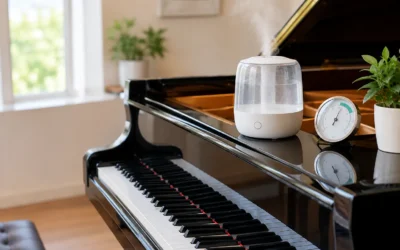
Ask about service history as well. Regular tuning is valuable, but a premium grand also benefits from periodic regulation and voicing. These services restore precision and musical color. If a piano has spent years in an uncontrolled climate, its action parts, strings, cabinet, and tuning stability deserve closer scrutiny.
Cosmetic condition has its place, especially for a piano intended as a centerpiece in a formal home. Yet a flawless ebony polish finish should never distract from mechanical and tonal evaluation. The instrument’s musical health comes first.
How the RX Compares With Other Premium Used Grands
The RX is frequently cross-shopped with Yamaha C-series grands, older Boston grands, Baldwin artist models, and select European instruments. Each category offers a different experience.
A Yamaha C-series piano may appeal to buyers who prefer a brighter, more immediate voice and a familiar institutional sound. A Baldwin can offer considerable American character and power, but age and restoration quality vary widely. Boston pianos may attract Steinway-minded buyers who want a particular design philosophy, while European models can offer complexity and color at a higher price point and with different service considerations.
The Kawai RX earns its place because it is a high-quality Japanese performance grand with a reputation for durable engineering and musical reliability. It is not trying to imitate a vintage American grand or a hand-built European concert instrument. Its value is in offering a disciplined, expressive, professionally capable piano that can serve a family or institution for many years when properly maintained.
Is a Kawai RX Grand a Good Investment?
A piano should be purchased primarily for musical use, not as a guaranteed financial investment. Like most acoustic pianos, an RX’s resale value depends on size, age, condition, finish, local demand, and the quality of its preparation. That said, the RX name is respected enough that clean, well-serviced examples generally remain desirable in the premium used market.
For a buyer upgrading from a small baby grand, console, or digital piano, the improvement can be dramatic. The longer strings, responsive action, and broader tonal palette create an instrument that a committed student will not quickly outgrow. For teachers and churches, the consistency and durability can make the RX a practical long-term choice.
The strongest value is usually found in a piano that has been inspected, professionally prepared, and priced according to its actual condition rather than its original retail price. Safe delivery, careful placement, tuning after the move, and access to future service also belong in the purchase decision. A440 Pianos approaches these details as part of owning a premium instrument, not as afterthoughts.
The right RX should make you want to sit down longer, listen more closely, and play with greater control. If a particular instrument does that while meeting your space, budget, and service expectations, it is worth hearing again before making your decision.
0 Comments