


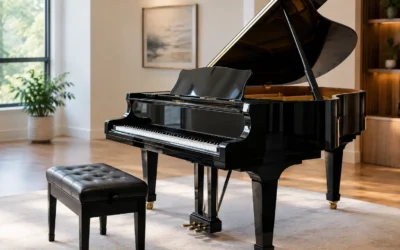
Picture a grand piano filling your room with live music while no one is seated at the bench – then imagine controlling the experience from your phone. That is the appeal of a player piano with bluetooth: classic acoustic presence paired with modern convenience. For many buyers, especially those furnishing a primary residence, studio, church, or teaching space, the idea is compelling. The real question is whether bluetooth adds meaningful value or just another feature on the sales sheet.
What a player piano with bluetooth actually does
A traditional player piano uses an automated system that moves the keys and pedals so the instrument performs on its own. In a modern setup, the bluetooth function usually allows a phone or tablet to communicate with the player system. That connection may let you start and stop playback, browse a music library, adjust volume on the accompanying sound system if one is included, or manage system settings without walking back to the piano.
That sounds simple, and it is. But buyers often assume bluetooth means the piano itself is somehow becoming a digital instrument. In most premium cases, it is still an acoustic piano first. The bluetooth feature is not replacing the soundboard, action, strings, or musical character. It is acting as a control layer for the automated playback technology.
This distinction matters because the quality of the piano still comes first. A mediocre instrument with attractive tech remains a mediocre instrument. A fine grand or upright with a well-integrated player system can offer both musical depth and modern convenience.
Why buyers are asking for bluetooth now
There has been a clear shift in how people use pianos at home and in shared spaces. Many clients still want the warmth, visual impact, and long-term value of an acoustic instrument, but they also want flexibility. They want background music for entertaining, a performance feature for holidays and events, and easy operation for family members who may not play.
Bluetooth meets that expectation because it feels familiar. Most households already use phones and tablets to control speakers, lighting, and home media. A player piano with bluetooth fits naturally into that pattern. You do not need to stand at the instrument and learn an older interface if the system can be managed from a device you already use every day.
For some buyers, that convenience is the entire reason the category makes sense. A family may love the idea of a grand piano in the home but know that only one person in the household plays regularly. Automated playback helps the instrument stay active and enjoyable even when nobody is practicing.
The strongest reasons to choose this type of piano
The best argument for bluetooth is ease of use. If operating the player system feels effortless, it gets used more often. That matters in larger homes, hospitality settings, churches, and luxury interiors where the piano is expected to contribute to the atmosphere as much as it serves a pianist.
There is also a practical benefit for owners who entertain. Changing selections, cueing pieces, or adjusting system preferences from across the room is simply more convenient than using a built-in control panel. If your goal is polished presentation, that convenience is not trivial.
For teaching studios and music families, the value can be slightly different. A player system can support listening, demonstration, and inspiration. Some systems also integrate with educational or performance tools, though that depends on the model. Bluetooth may be a small part of the package, but it can make the experience more approachable for less technical users.
Then there is the emotional side. A beautiful acoustic piano that can also perform on command gives owners a way to enjoy the instrument more often. For some, that means quiet evenings with playback in the living room. For others, it means welcoming guests into a home where the piano is not just furniture, but a living part of the environment.
Where a player piano with bluetooth falls short
Bluetooth is useful, but it should not be overvalued. It is not the core reason to buy a player piano. The piano itself, the quality of the player system, service access, and long-term reliability matter far more.
One common issue is confusion about compatibility. Not every bluetooth-enabled system offers the same app experience, file support, or control options. Some systems are refined and intuitive. Others feel dated, limited, or dependent on software that may not age well. Before buying, it is worth asking what the bluetooth connection actually controls and whether the app is still actively supported.
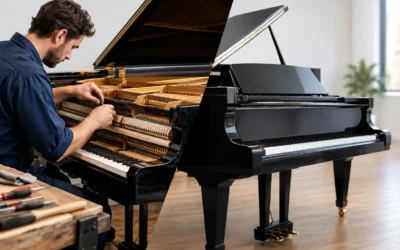
Another trade-off is complexity. Any added technology introduces more components that may eventually need service. That does not mean you should avoid these systems. It means you should buy from a specialist who understands both the piano and the technology attached to it. A premium purchase deserves support after delivery, not just a feature list at the point of sale.
There is also the question of musical priorities. If your main focus is serious daily practice, advanced repertoire, and the finest touch response, bluetooth itself should rank very low on your decision list. It may be a welcome extra, but it should never distract from action quality, tone, condition, regulation, and the reputation of the instrument.
What to look for before you buy
Start with the piano, not the app
Whether you are considering a grand or upright, begin with the acoustic instrument. Brand, condition, cabinet quality, action performance, tone, and service history all matter more than wireless connectivity. If the piano is vintage or pre-owned, evaluate how well the player system has been installed or updated and whether the instrument has been properly maintained.
A premium piano should still be a premium piano when the automation is turned off. That is the standard worth keeping.
Ask which player system is installed
Not all player systems are equal. Some are designed for a more refined ownership experience, with better libraries, stronger app support, and cleaner integration into the piano. Others are basic. If bluetooth is a priority, ask very specifically what functions it controls, how reliable the connection is, and whether updates or service are available.
This is especially important in the used and specialty market, where one piano may have a recently upgraded system and another may have an earlier-generation setup. On paper both can be described similarly. In actual use, the experience can be very different.
Consider the room and the use case
A player grand in a formal living room serves a different purpose than a player upright in a teaching studio or a church fellowship hall. In one setting, appearance and ambiance may matter most. In another, ease of daily use and reliability may be more important than cabinet style.
Think about who will operate it, how often it will be used, and whether the bluetooth function will genuinely improve that experience. Some buyers love the idea but rarely use the feature after the first few weeks. Others use it constantly because it fits how they live and entertain.
Is new always better than used?
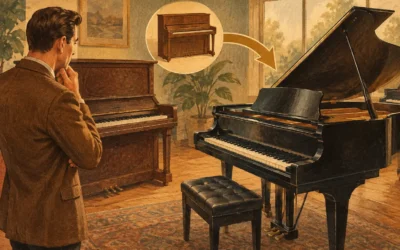
Not necessarily. A well-selected pre-owned piano with a quality player system can represent exceptional value, especially if the base instrument is from a respected maker and has been properly prepared. In the premium market, craftsmanship and condition often matter more than simple age.
That said, technology dates faster than acoustic piano construction. A superb used grand from a leading brand may still be an outstanding instrument decades later, while the electronics attached to it may feel much newer or much older depending on when the system was installed. This is where expert guidance matters. You want to know whether you are buying a lasting musical asset with a useful modern feature, or paying extra for technology that is already nearing its practical limit.
For buyers who want the confidence of curated inventory, technical inspection, delivery coordination, and ongoing service, working with a specialized piano company makes a substantial difference. A440 Pianos, for example, operates in that exact space, where instrument quality and ownership support are treated as part of the same purchase.
Who should seriously consider one
A player piano with bluetooth makes the most sense for buyers who value both musical presence and convenience. That includes homeowners who entertain often, families investing in a centerpiece instrument, hospitality spaces, churches, and collectors who want an acoustic piano to remain active even when no pianist is present.
It is also a strong option for clients who appreciate luxury but still want practicality. If you are already spending at a premium level, it is reasonable to want an instrument that delivers beauty, prestige, and day-to-day usability.
If, however, your only goal is practicing repertoire at the highest level and you have little interest in automated playback, a traditional acoustic piano without added technology may be the cleaner choice. There is no wrong answer here. It depends on how the instrument will live in your space and serve your priorities.
A fine piano should feel rewarding every time you walk past it, whether you sit down to play or simply press play from across the room. The best purchase is not the one with the longest feature list. It is the one that still feels right after the novelty wears off.
0 Comments