

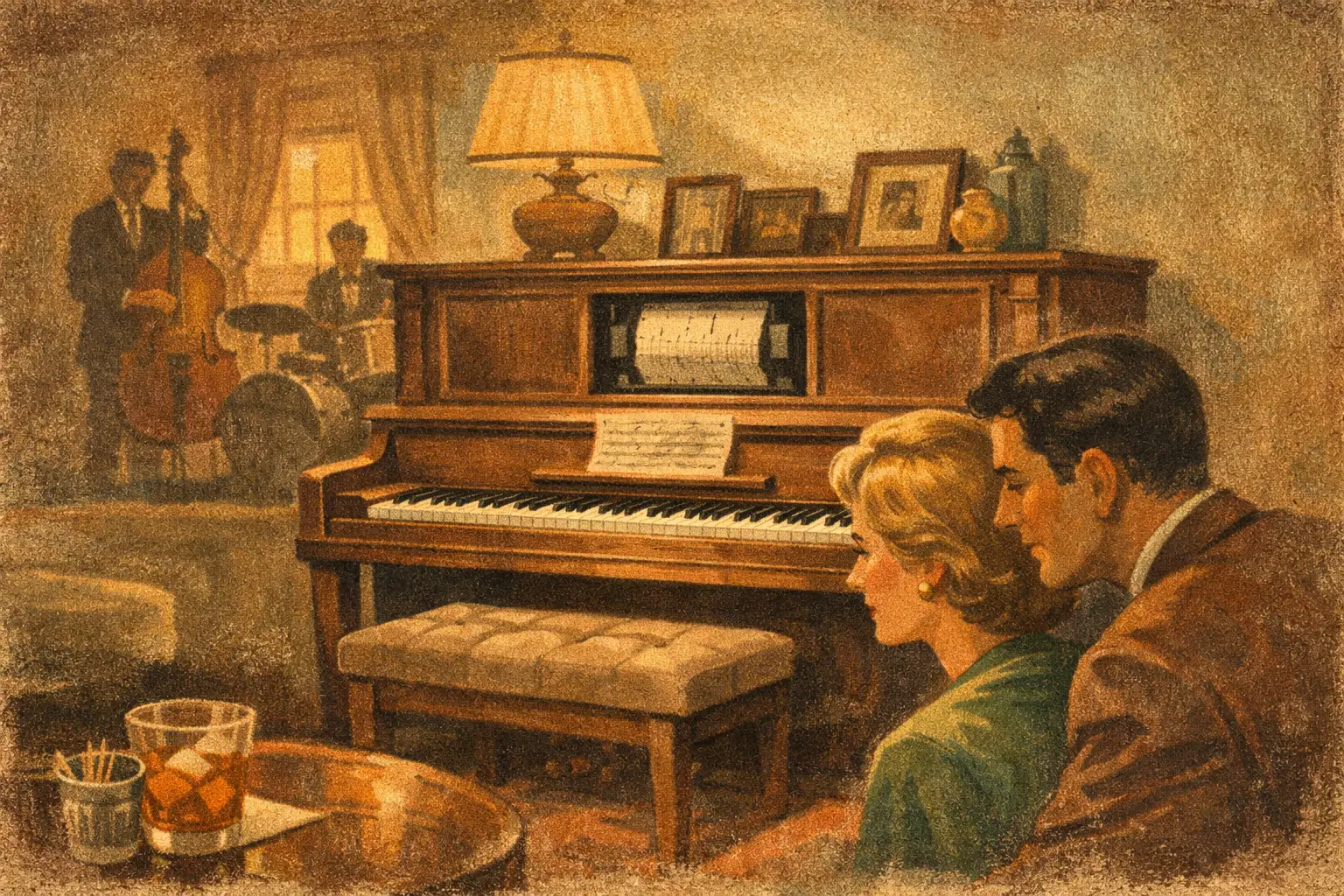
A player piano changes the role of a piano in your home. It can be a beautiful acoustic instrument for lessons, practice, and live performance, then fill the room with concert-level music when nobody is at the keyboard. If you are asking, should I buy a player piano, the real question is whether you want an instrument that will be played both by your family and for your family.
For the right buyer, a player piano is not a novelty or a substitute for learning. It is a premium home instrument with a second life as an entertainment centerpiece. The decision comes down to musical priorities, room conditions, budget, and the quality of the piano beneath the technology.
What a Modern Player Piano Actually Does
A modern player piano uses a sophisticated system of sensors, solenoids, and software to reproduce a performance on an acoustic piano. The keys move, the pedals respond, and the instrument creates sound with its own strings, hammers, and soundboard. Unlike a speaker-based digital piano, a true acoustic player piano retains the physical resonance and tonal character of the instrument.
Many systems also record performances. A pianist can play naturally while the system captures the timing, dynamics, and pedaling, then replay that performance later. Depending on the system installed, owners may access extensive music libraries, create playlists, control playback from a tablet, or enjoy performances ranging from classical repertoire to jazz, film music, pop, and holiday selections.
The result can be remarkably convincing. A well-calibrated player system does more than strike notes in sequence. It interprets soft passages, powerful climaxes, pedal changes, and the small timing details that make a performance feel alive.
Should I Buy a Player Piano for My Home?
A player piano makes particular sense when music is central to the atmosphere of the home, even when there is not always a pianist available to perform. It is an excellent choice for families with students, frequent hosts, collectors who want their instrument heard regularly, and homeowners furnishing a formal living room, music room, or entertaining space.
It can also solve a familiar problem for piano owners: the beautiful grand piano that is played only during lessons or holidays. With a player system, the piano becomes part of everyday life. You may use it for quiet background music at dinner, a featured performance during a gathering, or an inspiring recital recording before a student practices.
That said, it is not automatically the best choice for every buyer. If your primary goal is a simple, focused practice instrument, a traditional acoustic piano may provide everything you need at a lower investment. If volume control and headphone practice are essential, a hybrid, silent piano, or high-quality digital piano may be more practical. A player piano is best viewed as an acoustic piano first and an advanced entertainment system second.
Start With the Piano, Not the Technology
The most important buying principle is straightforward: buy a piano you would be proud to own even if the player system were turned off.
A premium player system cannot transform an inferior acoustic piano into a refined musical instrument. The tone, touch, tuning stability, structural condition, and cabinet quality still matter. This is especially relevant when considering a used or vintage player piano. A respected instrument from Steinway, Yamaha, Kawai, Baldwin, Blüthner, or another established maker can offer exceptional value, but its condition must be assessed carefully.
For a pre-owned piano, ask about the soundboard, pinblock, strings, hammers, action wear, regulation, and restoration history. You also want to know whether the player system is original, retrofitted, currently supported, and professionally serviced. An older piano with a modern, well-maintained playback system can be a compelling purchase. An elegant cabinet and recognizable name alone are not enough.
At A440 Pianos, evaluating the complete instrument matters because the finest ownership experience depends on both sides of the purchase: the musical integrity of the piano and the reliable performance of its technology.
Grand or Upright?
A player grand piano offers the visual impact, sound projection, and expressive range many buyers expect from a luxury instrument. It is often the natural choice for larger rooms, serious players, collectors, churches, studios, and clients who entertain often. A grand also gives the player mechanism more tonal color to work with, particularly in nuanced classical and jazz recordings.
A player upright can be a smart alternative when floor space is limited. Quality uprights from leading manufacturers can deliver a satisfying musical experience while fitting more naturally into an apartment, office, den, or smaller family room. The question is not whether a grand is always better. It is whether the scale of the piano fits the room and the way you intend to use it.
The Costs Beyond the Purchase Price
Player pianos are premium instruments, and the purchase price is only one part of ownership. Delivery, placement, tuning, maintenance, potential system service, and climate control should all be considered before selecting a model.
An acoustic piano should be tuned regularly, usually at least once or twice each year depending on use and environmental stability. The player system adds electronic components that may need updates, calibration, or specialized repair over time. A current system from a supported manufacturer is generally easier to maintain than an outdated proprietary system with limited parts availability.
Moving is another serious consideration. A piano requires professional handling, especially a grand piano with player components. Proper delivery protects the cabinet, action, internal mechanism, and floors in your home. Buyers should confirm access conditions in advance, including stairs, tight turns, elevators, door widths, and the final location of the piano.
Climate matters as well. Avoid placing an acoustic player piano beside an exterior door, HVAC vent, fireplace, direct sun exposure, or consistently damp wall. Stable humidity helps protect the soundboard, action parts, finish, and tuning. The piano does not need a museum environment, but it does need a thoughtfully chosen place in the home.
Questions to Ask Before You Decide
Before purchasing, listen to the instrument played live and through its player system. The piano should sound pleasing to you in the room where it will live, not just in a showroom. Pay attention to bass clarity, treble brightness, sustain, dynamic range, and whether the action feels responsive under your hands.
Ask what music service or playback platform is included, whether subscriptions are required, and how the system is controlled. Find out if the piano can record your own performances, if it can integrate with your home audio system, and whether playback volume can be adjusted without compromising the natural sound.
For used instruments, ask for clear information about service history and restoration work. For any instrument, confirm the delivery process, warranty terms, tuning arrangements, and who will service both the piano and the player system after installation. Premium ownership should come with clear answers, not assumptions.
When a Player Piano Is Worth It
A player piano is worth the investment when you value the emotional presence of real acoustic music and want your piano to contribute to the home beyond practice time. It gives a non-playing household access to extraordinary performances while still rewarding the experienced pianist with an authentic keyboard and acoustic voice.
It is also a strong choice when presentation matters. A beautifully finished grand piano, whether classic ebony, warm wood, designer white, or a more distinctive luxury cabinet, creates a focal point that a digital music system cannot replicate. When it begins to play, the visual experience of moving keys and pedals adds a level of theater that guests remember.
But there is no need to buy more technology than your lifestyle supports. If you will rarely use playback features, direct more of the budget toward a better conventional piano. If the player system will make the instrument part of daily family life, it can be one of the most rewarding upgrades available.
Choose the piano that makes you want to sit down and play, then choose the player system that makes you happy to hear it even when the bench is empty.

0 Comments