


The first thing most buyers notice about used baby grand pianos is the silhouette. The second thing they notice is the price spread. Two instruments can look similar across a showroom floor or an online listing, yet one sings with depth and control while the other feels expensive for the wrong reasons. That gap is exactly why buying pre-owned demands more than a quick brand check.
A baby grand is often an emotional purchase, but it should never be an impulsive one. For families, teachers, churches, and serious pianists, the right piano needs to satisfy both the room and the repertoire. It has to look right, respond correctly, hold tune, and justify its value over time.
Why used baby grand pianos appeal to serious buyers
A well-selected pre-owned baby grand can deliver far more piano for the investment than a comparable new model. That is especially true when you are looking at respected makers such as Steinway, Yamaha, Kawai, Baldwin, or other established brands with a long service life. In many cases, the buyer is not simply getting a lower price. They are getting mature tone, stronger materials, and a level of craftsmanship that may sit above many entry-level new instruments.
There is also the matter of musical character. New pianos can be excellent, but some players prefer the warmer, more developed voice that comes with age and proper care. A used instrument that has been maintained well can feel settled in rather than stiff or overly bright. For advanced students and experienced players, that difference is not small.
The visual side matters too. Baby grands carry presence. In a home, studio, church, or hospitality setting, they function as both instrument and centerpiece. That makes finish, cabinet condition, and scale design part of the buying decision, not just extras.
What matters most when evaluating a used baby grand piano
Brand is a starting point, not the whole story. A premium name can support long-term value, but condition always decides whether the instrument is worth pursuing. A top-tier piano that has been neglected, exposed to unstable humidity, or moved carelessly can require significant corrective work.
The soundboard should be examined for condition, not judged by rumor. Small signs of age are not always a problem, but structural issues, loose ribs, or serious crown loss can affect performance. The bridges, pinblock, and strings also tell an important story. If tuning stability is weak or the pins are no longer holding properly, the piano may become a costly project rather than a smart purchase.
Action condition is just as important as tone. When you play repeated notes, soft passages, and dynamic changes, the instrument should respond evenly. Sluggish keys, uneven touch, noisy action parts, or inconsistent repetition suggest wear that needs professional attention. Some of these issues are manageable through regulation and repair. Others point to larger restoration needs.
The pedals deserve attention as well. Buyers sometimes focus so much on cabinet beauty and brand prestige that they overlook practical playing function. A sustain pedal that feels weak or a soft pedal that does not shift cleanly may indicate deferred maintenance.
Used baby grand pianos by brand and age
Not all age is equal. A 15-year-old Yamaha that has lived in a climate-controlled home may be a safer musical choice than an older prestige brand that has had uneven service history. At the same time, some vintage instruments from elite makers can be exceptional if they have been properly rebuilt or restored by qualified technicians.
This is where nuance matters. If your goal is dependable daily performance with minimal surprises, a more recent used piano from a strong modern manufacturer may be ideal. If your goal is tonal complexity, collector appeal, or furniture-grade distinction, a vintage instrument may deserve a closer look. The better choice depends on how you plan to use the piano and how much service investment you are comfortable making after purchase.
Buyers should also be realistic about model lines within a brand. Not every Steinway or Baldwin is equal in market demand, and not every Yamaha baby grand was built for the same level of performance. A specialist can explain which models consistently hold value, which have stronger scale designs, and which are best suited for home use versus institutional settings.
The cabinet can impress, but the piano must still perform
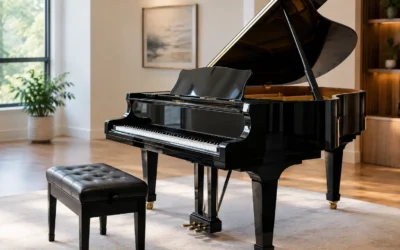
A polished ebony finish photographs beautifully. So does a designer white cabinet or a more decorative period style case. But finish quality should never distract from musical condition. Cosmetic restoration can be expensive, but structural and action work is where costs rise quickly.
That said, appearance is not superficial in the premium piano market. Buyers often want an instrument that complements an interior as much as it supports performance. There is nothing wrong with that. The key is making sure the visual value sits on top of solid mechanical value. The best used baby grand pianos do both.
If the piano is being placed in a formal living room, event space, or front-facing studio, finish consistency, brass condition, leg integrity, and bench quality all matter. In those settings, the instrument represents taste as much as utility.
Why the seller matters as much as the piano
This is where many buyers separate a confident purchase from an expensive mistake. A private listing may offer a low headline price, but it often comes without technical inspection, service support, delivery coordination, or any real assurance about what happens after the piano arrives. That can be risky even for experienced players.
A specialized piano retailer or service-centered dealer offers more than inventory. They provide evaluation, preparation, tuning guidance, delivery planning, and realistic answers about condition. For buyers investing in a premium instrument, that support is part of the value.
Safe moving alone is a major factor. Baby grands are not simply heavy furniture. They are complex instruments that can be damaged by improper handling, poor storage conditions, or careless transport. Professional delivery reduces risk and protects both the piano and the property it is entering.
Post-sale support matters too. Every acoustic piano will need tuning and periodic service. If the seller can also assist with repair, regulation, or restoration when needed, ownership becomes far easier and far more predictable.
How to judge value without chasing the cheapest option
A low price can mean opportunity, but it can also mean deferred cost. The smart question is not, “Is this cheap?” It is, “What will this piano cost me to own properly?”
A fairly priced pre-owned baby grand that has been inspected, serviced, and prepared is often a better financial decision than a bargain instrument that needs immediate action work, refinishing, string replacement, or humidity-related corrections. Buyers with long-term plans should think in total cost, not listing price.
Value also includes musical fit. A piano that inspires practice, supports nuance, and holds its place in the home for years has a different kind of return than one bought mainly because it looked like a deal.
For many households, studios, and institutions, financing can also make a higher-quality instrument more attainable without compromising standards. That can be the difference between settling and buying once with confidence.
Who should buy used baby grand pianos
They make strong sense for buyers who want prestige, musical depth, and visual presence without stepping immediately into the cost of a new luxury grand. They are especially attractive for serious students moving beyond an upright, families furnishing a long-term music room, churches upgrading their worship space, and collectors seeking recognizable brands with character.
They are not automatically the right fit for every beginner. Some first-time piano owners benefit more from a quality upright if space, budget, or maintenance expectations are tighter. A baby grand is a wonderful investment when the home, player, and service plan are aligned.
For buyers who want both selection and technical confidence, working with a specialist such as A440 Pianos can make the process far more efficient. The goal is not just to find a piano that looks impressive on day one. It is to choose one that continues to justify its place in the room years later.
The right baby grand does more than complete a space. It invites people to sit down, stay longer, and play with intention. That is the kind of value worth buying carefully.
0 Comments