


A polished cabinet can be persuasive. So can a famous brand decal. But with used pianos, the real story is in the instrument’s condition, preparation, and musical potential – not just how it looks on the showroom floor or in a marketplace photo.
For many buyers, a pre-owned piano is the smartest path to higher quality. It can put a respected name, a richer tone, and better build quality within reach without stepping into the cost of a new premium instrument. That said, not every used piano is a value. Some are excellent long-term investments. Others are expensive repair projects wearing a glossy finish.
Why used pianos appeal to serious buyers
A well-made piano was built to last for decades, and in many cases much longer. That makes the category unusually attractive compared with other pre-owned purchases. A quality upright or grand from Yamaha, Kawai, Baldwin, Steinway, or Bluthner may still have tremendous musical life when properly maintained.
The advantage is not only price. Many buyers are drawn to the maturity of the sound, the craftsmanship of older cabinetry, or the chance to own a model with character that is difficult to find in current production. For a music family, that can mean stepping up to a far more responsive instrument for a student. For a church, studio, or collector, it can mean finding a piano with both presence and performance value.
The trade-off is simple. Used pianos vary widely. Two instruments from the same brand and era can feel completely different depending on climate exposure, service history, rebuilding work, and how carefully they were moved and stored.
What matters most when evaluating used pianos
The best used piano purchase starts with condition, not age alone. An older instrument that has been tuned regularly, stored in a stable environment, and serviced by experienced technicians may outperform a newer one that has been neglected.
Soundboard condition is one part of the picture, but buyers should not fixate on a single detail. Small cosmetic imperfections are common and often harmless. More meaningful questions involve the structural integrity of the piano, the pinblock’s ability to hold tuning, the condition of the strings and bridges, and the overall health of the action.
Touch matters just as much as tone. Keys should feel even and controlled. Repetition should be reliable. Pedals should function smoothly. If the action feels sluggish or uneven, the piano may need regulation, repair, or more extensive rebuilding. None of that automatically makes it a bad purchase, but it should affect value and expectations.
Cabinet condition also deserves honest attention. Surface wear is common on used pianos and may be perfectly acceptable in a home, school, or rehearsal setting. For buyers who want a premium furniture-grade instrument, however, refinishing quality and visual presentation matter. In upscale interiors, the piano is often both a musical centerpiece and a design decision.
Brand, model, and preparation all change the equation
Not all pre-owned pianos hold value equally. Established makers with strong reputations tend to attract more consistent demand because buyers trust the design, parts availability, and musical results. That is one reason premium used models from major brands remain so desirable.
Still, the badge on the fallboard should not be the final word. A respected brand in poor condition can be a frustrating purchase. A less celebrated but well-prepared instrument can serve a family beautifully for years. Preparation is where specialists separate themselves from casual sellers. Inspection, tuning stability, action work, voicing, cleaning, and honest representation all influence whether the piano will be ready to play or become a project after delivery.
This is especially important in the premium segment. Buyers shopping for a vintage grand, a high-performance upright, or a visually distinctive statement piece are not just purchasing wood and strings. They are purchasing confidence – confidence in condition, logistics, service support, and long-term enjoyment.
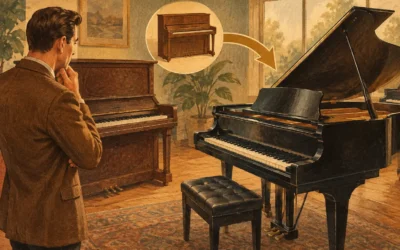
Used upright or grand pianos – which makes more sense?
That depends on the room, the player, and the musical goal.
A quality upright is often the practical choice for homes, teaching studios, and buyers who want strong performance in a smaller footprint. The best uprights offer impressive tone, excellent control, and a more approachable price point for both purchase and delivery. For many serious students, a premium upright is a meaningful upgrade from an entry-level instrument or digital piano.
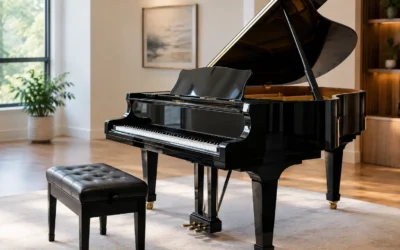
A grand piano offers a different experience. The action geometry is generally more responsive, tonal projection is stronger, and the instrument carries visual presence that many buyers value just as much as its sound. In larger homes, churches, recital spaces, and high-end studios, a grand often makes the most sense.
But bigger is not always better. A small grand in a bright, reflective room may not outperform a taller professional upright in the same budget range. The better question is how the piano will actually be used, and whether the specific instrument has been prepared to perform at its best.
Why buying from a specialist changes the outcome
The used piano market includes private sellers, estate sales, online listings, and general dealers. Some of those sources produce fine opportunities. Many do not provide the technical transparency or post-sale support buyers need.
A specialist can explain what has been done to the piano, what still may be needed, how it should be moved, and what kind of maintenance schedule to expect after installation. That matters because pianos are not plug-and-play purchases. They are precision instruments that respond to humidity, transport, use, and service quality.
For buyers investing in premium used pianos, support services are not extras. They are part of the purchase decision. Professional moving protects the structure and finish. Tuning after delivery helps the instrument settle into its new environment. Repairs, regulation, and restoration support preserve long-term value. Financing can also be meaningful for buyers choosing a better piano now rather than settling for an instrument they will quickly outgrow.
A440 Pianos serves this part of the market especially well because the experience is built around curated inventory and full-service ownership support, not simply a quick transaction.
Questions worth asking before you buy
A serious seller should be comfortable answering direct questions. Ask about age, serial number, service history, refurbishment work, and how recently the piano has been tuned or regulated. Ask whether it holds pitch, whether any structural repairs have been completed, and whether delivery is performed by trained piano movers.
You should also ask what happens after the piano arrives. Will it need tuning after transport? Is bench seating included? Has the instrument been prepared for immediate use, or sold strictly as-is? These details can significantly affect value.
If you are buying for a student, teacher approval can be worthwhile. If you are buying for performance or collection purposes, it helps to spend time with the piano in person whenever possible. The right instrument usually reveals itself in the way it responds under the hands, not just in a specification sheet.
Price matters, but total value matters more
It is easy to compare used pianos by sticker price alone. It is smarter to compare by total ownership value.
An inexpensive piano that needs major work, uncertain moving arrangements, and repeated service calls can end up costing more than a properly prepared instrument from a reputable dealer. On the other hand, a premium pre-owned piano that has been inspected, serviced, and backed by ongoing support may represent excellent value even at a higher initial price.
This is where buyers should be realistic about their priorities. If the goal is a dependable family piano, the best choice may be a well-maintained studio upright with strong touch and tuning stability. If the goal is prestige, tonal complexity, and visual impact, a rebuilt vintage grand or high-end designer instrument may justify the added investment.
There is no single right answer. There is only the right piano for the room, the player, and the standard you expect every time the lid opens.
The best used pianos feel convincing before they feel affordable
That may sound backward, but it is the right order. First, the piano should make sense musically, structurally, and aesthetically. Then the price should make sense.
A well-chosen used piano can outperform expectations for many years. It can anchor a music room, support serious study, elevate worship or performance spaces, and become one of the most rewarding pieces in a home. The key is to buy with clear eyes. Look past polish, ask better questions, and choose an instrument backed by real expertise. When you do, the right piano does more than save money – it earns its place.
0 Comments