


A grand piano changes a room before anyone plays a note. The shape signals seriousness, but the real difference is in the response under the hands, the length of the strings, and the way the sound develops in the air. For buyers considering grand pianos, the question is rarely whether they are impressive. The real question is which one fits your musical goals, your space, and the level of ownership support you expect after the sale.
That is where many purchases go right or wrong. A polished cabinet and a recognizable name can attract attention quickly, but long-term satisfaction comes from a deeper match between instrument and owner. Touch, tone, condition, scale design, service history, and delivery planning all matter. A premium purchase deserves premium judgment.
Why grand pianos still set the standard
A grand piano uses gravity to return the action, and that mechanical advantage gives players more control over repetition, nuance, and dynamic shading. For serious students, advanced pianists, teachers, churches, and performance spaces, that difference is not academic. It affects phrasing, articulation, and confidence every time the instrument is played.
Tone is the second major reason buyers gravitate toward grands. Longer strings and larger soundboards generally produce more depth and color than smaller instruments can offer. That does not mean every grand automatically outperforms every upright. A poorly maintained grand can disappoint, while a superb upright can exceed expectations in the right setting. Still, when condition and quality are equal, grand pianos tend to deliver a broader tonal palette and a more refined playing experience.
There is also the visual element, and for many buyers that matters more than they first admit. In a formal living room, teaching studio, sanctuary, or recital setting, a grand piano becomes part of the environment. It communicates taste, permanence, and commitment to music. For some households, that is part of the investment.
Choosing among grand pianos by size
Size influences more than appearance. It shapes volume, bass presence, tonal complexity, and how comfortably a piano fits its environment. A baby grand is often the practical choice for homes where space matters, while a larger grand can provide the authority needed in teaching, worship, or small performance venues.
Baby grand pianos
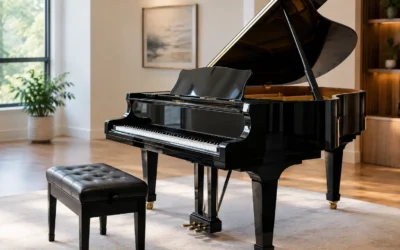
Baby grands usually appeal to buyers who want the visual elegance of a grand and a meaningful upgrade in touch over many uprights. They can be an excellent fit for family rooms, upscale homes, and private studios. The trade-off is that very small grands vary widely in tonal success. Some are beautifully balanced. Others sacrifice too much string length to deliver the warmth buyers expect.
Mid-size and living room grands
This category is often where value and musical performance meet. A well-built mid-size grand can offer stronger bass, a more satisfying dynamic range, and better projection without overwhelming a residential setting. For many serious students and accomplished amateurs, this is the sweet spot.
Larger performance grands
Larger grands bring scale, power, and tonal complexity that smaller instruments simply cannot imitate. They are ideal for institutions, churches, larger homes, and buyers who prioritize concert-style response. The trade-off is obvious. They require more space, more acoustic consideration, and often a higher level of budget not only for purchase, but for moving and long-term care.
What to inspect before you buy a grand piano
Condition separates a great opportunity from an expensive mistake. This is especially true in the premium used and vintage market, where two instruments of the same brand and age can perform very differently.
Start with the action. A piano may sound pleasant in a short demonstration, but uneven touch, sluggish repetition, worn hammers, and excessive regulation issues become clear once you play beyond a few chords. A buyer should expect consistency from key to key. If the action feels unreliable, the instrument may need more than basic adjustment.
Then consider the tone. Listen for clarity in the treble, warmth in the tenor, and usable depth in the bass. Brightness is not necessarily a flaw, and mellowness is not always a virtue. It depends on the player, the room, and the repertoire. What matters most is whether the piano has character without harshness and whether that character feels intentional rather than tired.
The structural side matters just as much. The soundboard, bridges, pinblock, strings, and plate all affect stability and long-term value. Cosmetic beauty does not confirm mechanical excellence. That is why buyers who want confidence typically work with a specialist that can evaluate service history, restoration quality, and current performance standards, not just surface presentation.
New, used, or vintage?
For many buyers, this is the real decision.
A new grand offers the appeal of minimal wear, factory freshness, and a clean ownership timeline. It can be the right choice for those who want predictability and are comfortable paying more for it. But new is not always the most compelling value, especially if the budget could instead secure a higher-tier used instrument from a more prestigious maker.
Used grand pianos often present the strongest balance of quality and price. A carefully maintained Yamaha, Kawai, Baldwin, or Steinway can deliver excellent musical performance while opening access to sizes and brands that might be out of reach new. The key phrase is carefully maintained. Used inventory should be curated, inspected, and properly prepared.
Vintage grands appeal to buyers who want history, craftsmanship, and tonal personality. Some have extraordinary musical depth and cabinet presence. Others need extensive restoration to reach premium standards. Vintage can be a rewarding path, but only when the technical work behind the instrument is clear and credible.
Brand matters, but not in a simplistic way
Prestige brands earn their reputation for good reasons, but the badge alone should not make the decision. A well-prepared piano from a respected maker is usually a safer investment than an unknown alternative. Even so, condition, preparation, and fit still matter more than brand mythology.
Steinway often attracts buyers seeking heritage, prestige, and a distinctly recognizable voice. Yamaha is widely respected for consistency, clarity, and reliability. Kawai appeals to many players who want refined touch and durable engineering. Baldwin remains a strong consideration for buyers who appreciate a rich American sound. Each brand has loyal followers because each brings something different to the table.
That is why side-by-side evaluation matters. Two premium grands can both be excellent and still feel completely different. One may suit a classical student. Another may be better for worship accompaniment, jazz voicings, or a design-conscious home where visual finish matters almost as much as tonal personality.
The service side of buying grand pianos
A grand piano purchase does not end when payment clears. Delivery, placement, tuning, climate awareness, and ongoing service all shape the ownership experience. This is where specialist support becomes part of the value.
Moving a grand is not routine furniture transport. It requires equipment, planning, and technicians who understand how to protect both the piano and the property. After delivery, the piano may need time to settle before tuning, especially if it has traveled across regions or into a new climate. Buyers should also think ahead about maintenance intervals, humidity conditions, and whether future repair or restoration support is available from the same source.
This is one reason many high-intent buyers prefer a full-service piano company rather than a general marketplace listing. The instrument matters, but so does the infrastructure behind it. A440 Pianos has built its reputation around that full-service approach, pairing premium inventory with delivery, tuning, repair, restoration, and practical support that continues after the purchase.
Who should invest in a grand piano?
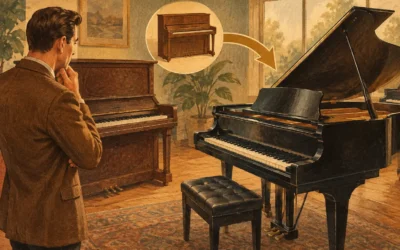
Not every buyer needs one, and saying otherwise would be careless. If space is limited, the room is acoustically challenging, or the player is still at a very early stage, a high-quality upright may be the smarter choice. A grand should earn its footprint.
But for serious students, committed families, institutions, teachers, churches, and collectors, a grand often makes complete sense. It supports musical growth, elevates the environment, and holds emotional value that extends beyond specifications. The right one becomes a daily asset, not just a decorative statement.
A smart purchase is rarely about chasing the biggest piano or the most famous name. It is about choosing an instrument with the right voice, the right feel, the right condition, and the right support behind it. When those pieces line up, a grand piano stops being a luxury item on a wish list and becomes a lasting part of how music lives in your space.
If you are in the market, trust your ear, trust your hands, and insist on expert guidance. The best grand pianos do more than impress at first glance. They keep rewarding the decision years after they arrive.

0 Comments