


If you are comparing a kawai vs yamaha piano, you are already looking in the right tier of the market. Both brands have earned trust with teachers, institutions, serious students, and performance-minded buyers for good reason. The real question is not which name is better on paper. It is which piano gives you the sound, touch, and long-term ownership experience that fits your home, studio, church, or performance space.
This is where many buyers get stuck. Yamaha and Kawai both produce reliable instruments with strong resale recognition and broad model ranges. Yet they do not feel identical under the hands, and they do not speak with the same tonal personality. Those differences matter more than brand loyalty.
Kawai vs Yamaha piano: the core difference
At a high level, Yamaha tends to appeal to buyers who want clarity, projection, and a more direct playing response. Kawai often attracts players who prefer warmth, color, and a touch that can feel a little more rounded or nuanced depending on the model. That is the broad outline, but it deserves context.
Yamaha has built a strong reputation for consistency. Many players describe the sound as clean, bright, and articulate. In a teaching studio or ensemble setting, that can be a major advantage because notes speak quickly and clearly. A student developing technique often benefits from that immediacy, and many teachers appreciate how exposed the sound can be.
Kawai is often favored by players who want a slightly mellower voice without giving up control. On many instruments, the tone feels a bit more complex in the middle register, with less edge in the treble. That can be very appealing in a home environment where a piano needs to feel inviting for long practice sessions rather than aggressively present.
Tone is where most buyers decide
Tone is the first serious dividing line in the kawai vs yamaha piano conversation. Yamaha pianos are often described as brighter, though that word can oversimplify what is actually happening. A well-prepared Yamaha can sound focused, singing, and elegant rather than harsh. But compared with Kawai, Yamaha more often leans toward brilliance and projection.
Kawai typically sits on the warmer side of the spectrum. The sound can feel a little darker or more blended, especially in the midrange. Some pianists love this because it supports lyrical playing and creates a more relaxed listening experience in smaller rooms. Others prefer Yamaha because the articulation cuts through more cleanly.
Room size changes the equation. In a larger church, rehearsal space, or teaching studio, Yamaha’s projection can be a real benefit. In a living room or smaller music room with hard surfaces, Kawai’s tonal character may feel easier to live with day after day. Neither is automatically superior. The room and the player shape the result.
Bright does not mean better, and warm does not mean softer
This is an easy mistake. A bright piano is not necessarily louder, and a warm piano is not necessarily weaker. What changes is the character of the attack, the way overtones build, and how clearly the piano separates one note from the next. For classical players, jazz players, and advancing students, that distinction matters more than simple volume.
Touch and action feel
After tone, touch is usually the deciding factor. Yamaha actions are often experienced as precise and responsive, with a clean sense of control. Players who like a more immediate connection to the key may feel at home quickly. Fast passages, repeated notes, and technical practice can feel very disciplined on a Yamaha.
Kawai has long been respected for action design as well, particularly in how it balances control with a more cushioned feel. Many players describe Kawai actions as refined and comfortable over longer sessions. On some models, the action can feel slightly less sharp than Yamaha and more forgiving under the fingers.
That does not mean Kawai is only for gentle players or Yamaha is only for aggressive ones. Serious performers use both. The difference is in preference. If you want a piano that feels very clear and exact, Yamaha often stands out. If you want an action that encourages tonal shaping with a slightly more relaxed physical feel, Kawai may be the stronger fit.
Build quality and reliability
Both brands score well here, which is one reason this comparison comes up so often. Yamaha and Kawai have each built strong reputations for manufacturing consistency, structural reliability, and dependable long-term ownership when the piano has been properly maintained.
For buyers shopping used or vintage instruments, condition matters more than badge alone. A well-maintained Kawai can be a far better purchase than a neglected Yamaha, and the reverse is equally true. Soundboard health, pinblock stability, action wear, voicing history, humidity exposure, and service records should all carry real weight.
This is especially important in the premium used market. A piano is not a commodity item. Two examples of the same model can perform very differently based on age, environment, and previous care. That is why inspection, preparation, and technical support matter so much.
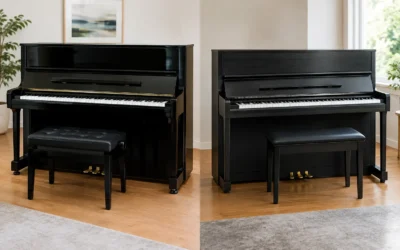
Uprights: where many families start
In upright pianos, Yamaha often wins over buyers who want a crisp, disciplined sound for study and teaching. The clarity can help students hear mistakes and improve control. For schools and teachers, that can be a practical advantage.
Kawai uprights often appeal to families who want a more inviting musical personality at home. The sound can feel less edgy, especially in lively rooms. For recreational players and serious students alike, that can make practice more enjoyable.
There is also the question of aesthetics and finish condition in the used market. Since many upright buyers are placing the instrument in a visible living space, cabinet condition, size, and visual presence matter almost as much as musical performance. Premium buyers usually want both.
Grand pianos: nuance becomes more obvious
On grands, the differences between Kawai and Yamaha often become easier to hear and feel. Yamaha grands are frequently chosen for their projection, definition, and ability to hold together in demanding repertoire. They can feel authoritative and highly controlled, which makes them popular in institutional and performance settings.
Kawai grands often draw players who want color and depth without losing precision. In private homes, studios, and intimate venues, that tonal warmth can be especially attractive. A lyrical player may gravitate to Kawai, while a player who values crisp articulation may lean Yamaha. Still, there are exceptions from one series to the next.
The model matters more than the logo
A buyer comparing a Yamaha baby grand to a higher-tier Kawai grand, or vice versa, may reach the wrong conclusion about the entire brand. Series, size, age, and preparation level all matter. A properly prepared instrument from either brand can outperform a poorly maintained example from a more prestigious line.
Price, resale, and long-term value
Yamaha often carries very strong name recognition in the broader market, which can help with resale confidence. Buyers who are thinking ahead sometimes value that familiarity. Kawai also holds respect, especially among informed piano shoppers, but resale can depend more on the specific model and local demand.
That said, value should not be reduced to resale alone. The better question is what you are getting for the investment today. If a Kawai gives you the tone and touch you genuinely prefer, that is better value than buying a Yamaha simply because it is easier to recognize. A piano that inspires daily use always wins the ownership equation.
For premium buyers, service support belongs in the value conversation too. Delivery, tuning, regulation, future maintenance, and restoration access all affect the ownership experience. A high-quality instrument backed by real technical support is a more secure purchase than a cheaper piano bought with no service plan behind it.
Who should choose Kawai?
Kawai is often an excellent fit for players who want warmth, tonal depth, and an action that feels expressive without being overly stiff or bright. It can be especially appealing in homes, teaching studios, and smaller performance settings where the piano needs to feel refined rather than forceful.
It also suits buyers who want a premium instrument with musical sophistication but prefer a less aggressively brilliant voice. For many families and serious students, that balance feels ideal.
Who should choose Yamaha?
Yamaha is often the right choice for buyers who want clarity, projection, and a highly precise response. It is a strong option for technical players, teaching environments, churches, and anyone who values a piano that speaks cleanly and confidently.
It also appeals to buyers who want broad market recognition and a sound that remains focused across many styles of music. If you like a piano that feels immediate and articulate, Yamaha deserves very serious attention.
The best way to choose between Kawai and Yamaha
The smartest purchase is rarely made from specs alone. Play both if you can. Compare them at similar sizes and quality levels. Listen from the bench and from across the room. Pay attention to how your hands feel after twenty minutes, not just two. The right piano should sound convincing, but it should also make you want to keep playing.
At A440 Pianos, this is how premium piano buying should work: not as a brand contest, but as a careful match between instrument, player, and setting. When you find the one that gives you confidence at the first touch and satisfaction after the last note, the logo becomes secondary.
If you are choosing between Kawai and Yamaha, trust your ear, trust your hands, and give equal weight to preparation and service. The best piano is the one that keeps rewarding you long after delivery day.

0 Comments