


A Steinway is not simply a piano with a famous name on the fallboard. For many players, it is the instrument that reveals whether a musical idea has real shape, color, and weight. Steinway pianos have earned that position through more than prestige: their touch, tonal range, and long-term serviceability make them a serious choice for homes, teaching studios, churches, and performance spaces.
The right Steinway can become part of a family’s musical life for decades. The wrong one, however, can be an expensive lesson in why condition matters as much as the name. That distinction is especially important when considering a pre-owned or vintage instrument.
What Makes Steinway Pianos Different
A fine piano is an engineered acoustic system. Its action must translate the player’s touch accurately, its soundboard must respond freely, and its strings and scale design must produce a balanced voice from bass to treble. Steinway has built its reputation by treating those elements as a complete design rather than a collection of parts.
Players often notice the range first. A well-prepared Steinway can speak quietly without becoming thin, then build into a full, singing fortissimo without turning harsh. The bass has authority, the middle register carries warmth, and the treble can project with clarity. That broad palette is why the brand has long been associated with concert stages, conservatories, and discerning private owners.
The action is equally significant. When properly regulated, it offers control at soft dynamics and dependable repetition for fast passages. No two pianos feel identical, including two Steinways of the same model and year. Still, the best examples give a player a direct, confident connection to the sound.
The Model Matters as Much as the Name
Steinway builds pianos for very different settings. A concert grand has a different purpose than a compact upright, and choosing by prestige alone can lead buyers toward an instrument that does not fit their room, playing needs, or budget.
A Steinway Model D concert grand is designed for major halls and serious performance venues. Its scale and soundboard provide exceptional power, but it needs substantial space and careful acoustic placement. For many homes, a Model B is the more practical aspirational grand. At approximately 6 feet 11 inches, it offers remarkable musical depth while remaining suitable for larger living rooms, studios, and private performance spaces.
Smaller grands such as the Model A, O, L, M, and S can be excellent choices when selected carefully. They preserve the Steinway character in footprints that work better in urban homes, apartments with adequate space, and teaching environments. A smaller grand is not automatically a compromise. A superbly restored Model M may be more rewarding in a modest room than a larger piano that overwhelms the space.
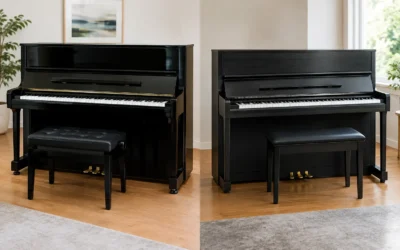
Steinway upright pianos also deserve serious consideration. A quality upright can offer responsive touch, impressive tonal color, and a space-efficient alternative for families and students. It will not create the same bass resonance or action geometry as a grand, but it may be the right instrument when placement, budget, and daily use are the deciding factors.
New, Used, or Vintage: The Condition Question
The appeal of a new Steinway is straightforward: current manufacturing, factory specifications, and the assurance of an untouched instrument. Yet many experienced players actively seek used and vintage Steinways. A mature instrument can have a voice and character that cannot be duplicated, often at a more approachable entry point than a new model.
That opportunity comes with responsibility. Age alone does not make a piano valuable. A century-old instrument may have magnificent cabinetry and a celebrated maker’s mark, but if its pinblock no longer holds tuning, its soundboard is compromised, or its action is worn beyond practical adjustment, it requires substantial work before it can perform at a premium standard.
A properly restored Steinway can be an exceptional investment in musical enjoyment. Restoration may include restringing, rebuilding the action, repairing or replacing structural components, refinishing the cabinet, and extensive regulation and voicing. The quality of that work matters enormously. An attractive finish does not confirm a healthy instrument beneath it.
Before purchasing, buyers should ask direct questions about the piano’s serial number, restoration history, structural condition, action condition, tuning stability, and current preparation. A professional evaluation should address the soundboard, bridges, pinblock, plate, strings, hammers, dampers, key frame, and action geometry. This is not excessive caution. It is the appropriate level of due diligence for a premium acoustic instrument.
Hamburg and New York Steinways
Steinway pianos have historically been produced in New York and Hamburg, and each factory has a devoted following. Both represent the brand at a high level, but experienced pianists may notice differences in tonal personality, touch, design details, and components depending on era and model.
Some players favor the singing, refined character often associated with Hamburg instruments. Others prefer the powerful, rounded sound and familiar American tradition of New York-built Steinways. Neither preference is universally correct. The more useful question is whether a particular piano responds to your hands and serves your repertoire well.
For a collector, factory origin, age, finish, and rarity can affect desirability. For a family selecting a piano for a talented student, the instrument’s present condition and musical potential should typically carry more weight than the factory debate.
How a Steinway Fits Your Space
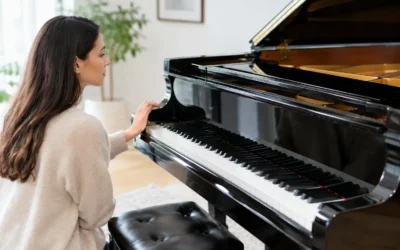
A grand piano needs more than floor space. It needs room for the lid to project sound, clearance for the bench and player, stable humidity, and a location away from direct sun, exterior doors, heating vents, and dramatic temperature changes. A premium piano placed poorly can sound overly bright, muddy, or simply too loud for the room.
Room acoustics change the buying decision. Hardwood floors, glass, stone, and high ceilings can make a piano more brilliant and forceful. Rugs, upholstered furniture, curtains, and bookshelves can soften reflections. A piano that seems restrained in a showroom may open up dramatically in a reflective home, while a bright instrument may benefit from expert voicing after delivery.
Professional moving is also essential. Steinways are heavy, complex instruments that must be protected from impact, moisture, and improper handling. The piano should be allowed to settle after delivery before its first tuning, especially after a long move or seasonal climate change.
Value Beyond Resale Price
Steinways are frequently described as investments, but buyers should define that word honestly. No piano should be purchased with a guaranteed financial return in mind. Market value depends on model, age, condition, restoration quality, finish, location, and the wider demand for premium instruments.
Their stronger value proposition is durability, recognition, and musical longevity. A well-maintained Steinway is widely respected, serviceable by qualified technicians, and desirable to a broad range of future buyers. It can support a beginner’s first lessons, a conservatory-bound student’s development, and an accomplished player’s artistic work without becoming musically limiting.
Regular tuning, humidity control, action maintenance, and thoughtful use protect that value. Neglect is costly. A piano played often and serviced properly generally ages more gracefully than one left untouched for years in an uncontrolled environment.
Choosing With Confidence
The best Steinway is the one that meets the standard of the player, the room, and the moment. For some buyers, that will mean a restored vintage grand with a distinctive voice. For others, it will mean a younger pre-owned upright that offers reliable daily practice. A church may need projection and durability; a collector may prioritize provenance and cabinet detail; a family may need a piano that makes a student want to sit down every evening.
At A440 Pianos, the most productive conversations begin with those practical details: who will play, where the piano will live, what sound the buyer prefers, and what level of ongoing service is expected. Premium ownership should include knowledgeable selection, safe delivery, and qualified support after the piano enters the home.
Take time to play more than one instrument, even when the model names are the same. Listen from the bench and from across the room. A Steinway should not only impress on paper – it should make you want to keep playing after everyone else has stopped listening.

0 Comments