


A remarkable piano announces itself before a single key is played. The proportions of a grand, the figured veneer of a historic case, and the quiet precision of a well-regulated action all suggest whether an instrument has been merely kept or truly cared for. A luxury piano collecting guide begins there: with the understanding that a fine piano is both a musical instrument and a long-term stewardship decision.
For some collectors, the goal is a concert-level Steinway & Sons grand for an Atlanta home. For others, it is a rare European instrument, a beautifully restored vintage upright, or a designer self-playing piano that brings music into daily life. The right choice depends on how the piano will be played, displayed, maintained, and enjoyed – not simply on its age or nameplate.
Define What You Want to Collect
Luxury piano collecting becomes more rewarding when you choose a clear direction. A player-focused collection prioritizes touch, tonal color, scale design, and reliable performance. A historically focused collection may place more weight on period-correct cabinetry, original details, maker history, and limited production. Many buyers want both, but those priorities can occasionally conflict.
An original early-20th-century grand, for example, may have exceptional historical interest while needing significant technical work before it is suitable for demanding daily performance. A fully rebuilt instrument may be a more satisfying musical partner, though some original materials and period details will have been replaced. Neither approach is automatically better. The value lies in knowing what you are buying and why.
Start with practical questions. Will the piano be played every day by an advanced pianist? Is it intended for a music room, recording studio, teaching space, or formal entertaining area? Are you drawn to a specific maker, era, finish, or size? These answers narrow a broad market into a collection with purpose.
Learn the Makers, but Judge Each Piano Individually
Prestige matters in the luxury market, and established makers have earned their reputations through consistent craftsmanship, musical design, and long histories of serviceability. Steinway & Sons remains a central name for collectors who value its powerful voice, responsive action, and market recognition. Blüthner appeals to buyers seeking a distinct European sound, often known for warmth, clarity, and a singing treble. Yamaha premium grands can offer outstanding precision, stability, and versatility for serious musicians.
Still, the badge on the fallboard is the beginning of the evaluation, not the conclusion. Two instruments from the same manufacturer and year can feel notably different. Their condition, rebuilding history, environment, voicing, and prior care all shape the experience at the keyboard.
A thoughtful collector listens for more than volume. Play soft passages in the treble, sustained chords through the middle register, and powerful bass lines. Notice whether the tone remains clear as the dynamic level rises. Pay attention to repetition, key weight, pedal response, and evenness from note to note. An instrument should invite you to keep playing, not make you work around its limitations.
Condition Is More Valuable Than a Romantic Story
Age does not make a piano collectible on its own. Pianos contain thousands of moving parts, along with wood, felt, leather, steel, and cast iron. Every one of those materials responds to time, use, humidity, and past repairs.
The soundboard deserves close attention. Small surface cracks do not always compromise performance, especially on older instruments, but loose ribs, open separations, or a loss of crown may affect tone and stability. The pinblock must hold tuning pins securely. If the pins are loose, the piano may not maintain a stable pitch without major work.
Inside the action, inspect the hammers, shanks, flanges, key bushings, and dampers. Deeply worn hammers can sometimes be reshaped, while excessively depleted hammers may need replacement. Worn action centers, tired key bushings, or uneven regulation can make a piano feel sluggish or unpredictable even when its cabinet looks beautiful.
The plate, strings, bridges, and structural frame matter just as much. Rust, corrosion, cracked bridges, and evidence of water exposure deserve professional assessment. A piano can be polished to look impressive in a showroom while hiding costly mechanical concerns beneath the lid.
This is why an independent technical inspection or a transparent evaluation from an experienced piano specialist is essential before purchase. It provides a realistic view of present condition, likely near-term needs, and whether the asking price reflects the instrument rather than its appearance.
A Luxury Piano Collecting Guide to Restoration
Restoration is not a single service. It can range from careful cleaning and regulation to a comprehensive rebuild with new strings, tuning pins, pinblock, hammers, dampers, action parts, refinished cabinetry, and structural repairs. The word “restored” should always lead to the next question: restored how, when, and by whom?
Ask for a detailed record of work completed. Quality restoration should identify the parts used, the scope of the action work, soundboard and bridge repairs, refinishing methods, and the date of completion. A credible restoration history helps a buyer understand both musical potential and future maintenance needs.
A full rebuild can extend the working life of a fine piano dramatically, especially when performed with respect for the original scale and character. Yet a poorly planned rebuild can reduce an instrument’s appeal. Incorrect action geometry, generic replacement parts, overly aggressive refinishing, or careless bridge work may alter the piano’s touch, tone, and historical integrity.
For a collector who wants an instrument to play regularly, a professionally rebuilt grand can be an excellent choice. For someone pursuing museum-level originality, preservation may carry more weight. The important point is to avoid paying a premium for vague descriptions.
Provenance Supports Confidence, Not Fantasy
A documented history can add genuine interest to a luxury piano. Original sales records, serial number documentation, service invoices, restoration files, and known ownership can all help establish provenance. For rare models, limited editions, artist connections, or unusually fine cabinetry, these records become especially meaningful.
Provenance should support the value of a piano, not replace an assessment of its condition. A famous former owner does not correct loose tuning pins or an exhausted action. Conversely, an excellent instrument without a dramatic story may offer greater musical value for a serious buyer.
Be cautious of claims that cannot be verified. Ask for documentation rather than relying on family stories, labels, or assumptions based on appearance. Serial numbers can help establish a manufacturer and approximate production period, but they do not reveal how the piano has been treated over decades.
Choose Size for the Room and the Music
A larger grand generally has longer strings and a larger soundboard area, which can support greater tonal depth and bass presence. But bigger is not always better. A concert grand can overwhelm a modest room, while a well-designed 5’7″ to 6’4″ grand may provide a more balanced experience in a home.
Room acoustics matter as much as square footage. Hard floors, glass, high ceilings, and minimal soft furnishings can make even a refined piano sound overly bright or loud. Rugs, drapery, upholstered furniture, and thoughtful placement can improve the listening experience without compromising the piano’s visual presence.
Avoid placing any acoustic piano against an exterior wall, near direct sunlight, HVAC vents, fireplaces, or frequently opened doors. Stable humidity and temperature are fundamental to preserving tuning stability, action performance, and cabinet condition. A dedicated humidity-control system may be worthwhile for a significant instrument, particularly in regions with seasonal swings.
Plan Ownership Beyond the Purchase
The purchase price is only one part of collecting. A luxury piano needs professional delivery, a post-move tuning after it acclimates, regular tuning thereafter, and periodic regulation and voicing. These services preserve both the piano’s performance and the enjoyment it brings to your home.
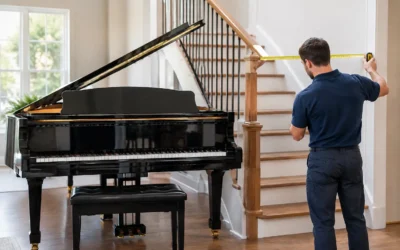
Moving deserves special care. Grand pianos require trained crews, proper equipment, protective wrapping, secure transport, and a careful plan for stairs, turns, flooring, and entryways. A poor move can damage a cabinet, action, plate, or home. For collectors, professional piano moving is not an optional convenience; it is protection for a major investment.
Budget for preventive care rather than waiting for a problem to become expensive. A piano played frequently may need more regular attention than one displayed primarily as part of a collection, but even lightly used instruments can drift out of regulation or suffer from environmental changes. Keeping service records also strengthens future resale confidence.
At A440 Pianos, the goal is to help buyers select an instrument that remains rewarding long after delivery – with knowledgeable guidance, careful handling, and ongoing technical support. The best collectible piano is not necessarily the rarest or the most expensive one. It is the instrument whose voice, history, condition, and place in your life continue to feel right every time you sit down to play.

0 Comments