

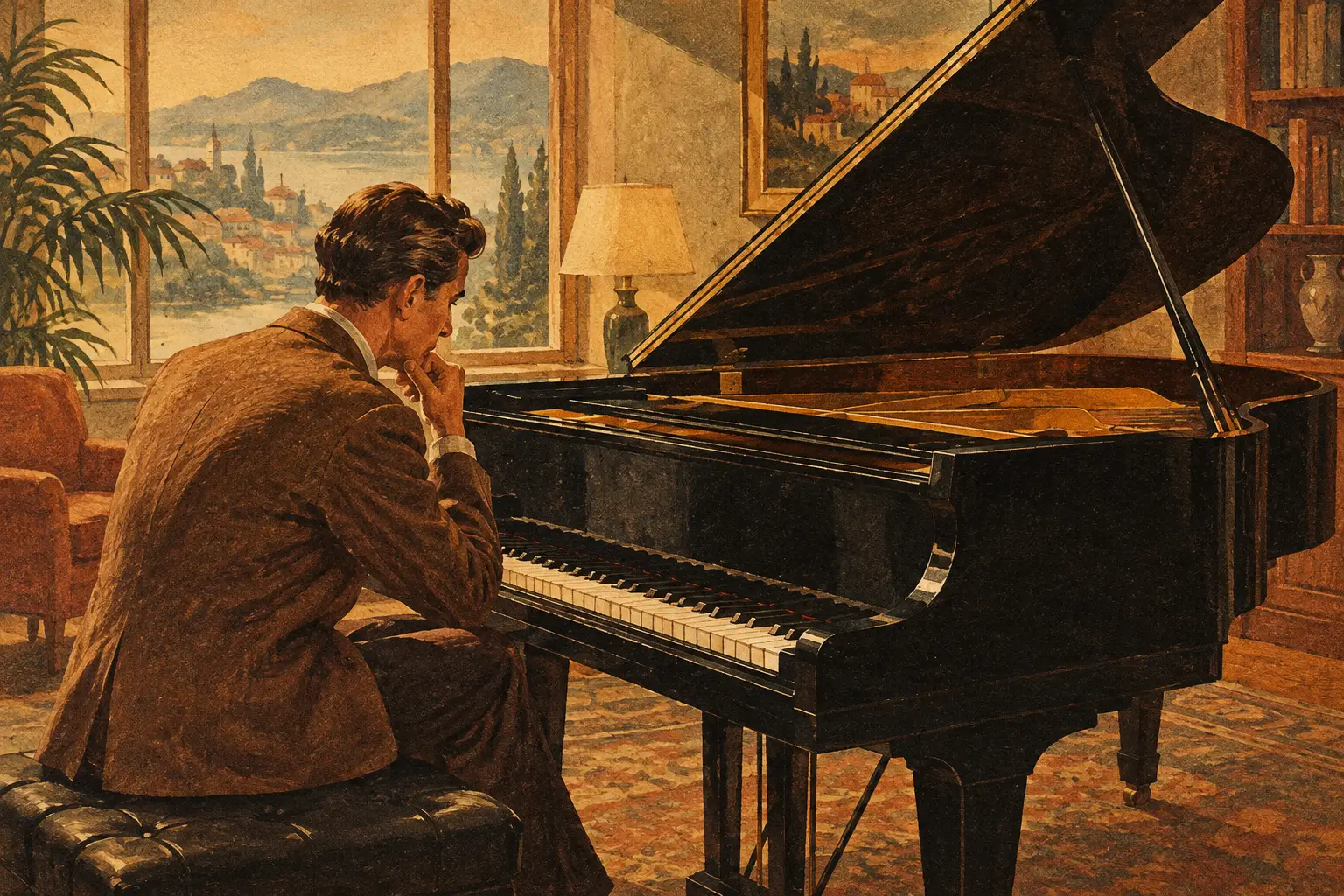
A grand piano can look impressive in a showroom and still leave a player wanting more after a few weeks at home. That is why a meaningful Kawai GX series review has to go beyond polished cabinetry and brand reputation. The GX line is built for buyers who want a serious performance instrument: responsive enough for advanced study, musical enough for a discerning home, and durable enough for institutional or professional use.
Kawai positions the GX series above its GL consumer grand line and below its hand-built Shigeru Kawai concert instruments. That placement matters. These are premium Japanese-built grand pianos with a clear focus on tonal control, action precision, and long-term stability. For many private buyers, teachers, churches, and studios, a GX can be the point where a piano stops feeling like an upgrade and starts feeling like a lasting musical investment.
What Makes the Kawai GX Series Different?
The defining feature of the GX series is its balance. Kawai has not tried to make these pianos imitate a vintage American grand or a bright, highly percussive studio instrument. Instead, the GX voice tends toward clarity with warmth underneath it. The bass is substantial without becoming cloudy, the middle register has a rounded singing quality, and the treble can project without excessive edge when properly voiced.
That character makes the series particularly appealing to players who need a wide dynamic range. A pianist can lean into a Romantic passage and find real weight in the sound, then reduce the key speed for delicate accompaniment without the tone disappearing. The piano does not force every player into one color.
The other major distinction is Kawai’s Millennium III Grand Action. It uses ABS-Carbon composite components in key action parts rather than relying solely on traditional wooden components. Some pianists arrive with understandable skepticism about composite materials in a premium grand. In practice, the benefit is consistency. The material is less affected by changes in humidity, and the action can remain quick and stable through demanding use.
A traditional all-wood action has its own appeal, especially for buyers drawn to historical construction. But for a piano placed in a busy teaching studio, church, school, or climate-variable home, the GX action design is a practical advantage. It does not remove the need for regulation and maintenance. It can, however, help the piano hold its setup more reliably between service visits.
Kawai GX Series Review: Tone, Touch, and Build Quality
Tone: clear, substantial, and flexible
The GX sound is often described as warm, but that word alone is too vague. A well-prepared GX has a clean attack, a focused fundamental tone, and enough complexity to reward nuanced pedaling. Its sound generally stays organized as volume rises. That is valuable in a larger living room or recital setting, where a piano must fill space without becoming harsh.
Compared with many Yamaha grand pianos, a GX will often feel less brilliant at the first strike and more rounded through the sustain. Compared with older American instruments, it may sound more even from note to note and less idiosyncratic. Neither comparison determines which piano is better. A pianist who wants immediate sparkle and cut may prefer a brighter voice. A player who values color, control, and a less aggressive treble may be especially comfortable with Kawai.
Voicing remains essential. Two GX pianos of the same model can sound notably different because of preparation, room acoustics, age, use, and previous service. Buyers should never judge an individual instrument solely by a brand description or a video recording.
Touch: fast repetition without a hard feel
The Millennium III action gives the GX series a responsive, efficient touch. Repetition is quick, and the keys tend to return with confidence, which benefits advanced repertoire with trills, repeated notes, and rapid passagework. The action is usually more substantial than light. It offers resistance a serious pianist can work against, but it should not feel tiring when regulation is correct.
For serious students, this is one of the GX line’s strongest qualities. A responsive action exposes uneven technique, yet it also allows the player to develop fine control over soft playing. For teachers and institutions, the action’s stability can be just as persuasive as its feel.
Still, touch preference is personal. Pianists accustomed to a very light European action or a heavily worn vintage action may need time with a GX before deciding. The right question is not whether the action feels familiar in the first five minutes. It is whether the player can shape sound, control repetition, and play comfortably over an extended session.
Construction: designed for sustained ownership
The GX series includes a solid spruce soundboard, a substantial rim structure, and premium-scale design features intended to support tonal projection and stability. The longer models benefit from greater string length and soundboard area, which is especially noticeable in the bass and lower tenor registers.
Fit and finish are typically excellent. The cabinetry has the refined look expected of a premium Japanese grand, whether a buyer chooses polished ebony or another available finish. More important than the exterior, though, is the quality of the underlying structure. A grand piano is a high-tension acoustic machine. Plate condition, pinblock integrity, bridge health, soundboard condition, action wear, and service history matter far more than a glossy lid.
For used GX buyers, a professional inspection is non-negotiable. A newer piano can still have suffered from poor humidity control, heavy institutional use, or deferred maintenance. Conversely, a well-maintained instrument with several years of careful ownership may offer exceptional value.
Choosing the Right GX Model
Kawai GX grands are offered in several sizes, and choosing by room dimensions alone can lead to disappointment. The right model should fit the musical demands of the player and the acoustic character of the space.
The GX-2, at approximately 5 feet 11 inches, is a compelling choice for refined homes, teaching studios, and smaller performance spaces. It provides more tonal depth and bass authority than a compact baby grand while remaining manageable in many rooms.
The GX-3, around 6 feet 2 inches, is often a sweet spot for serious home pianists. It offers additional scale length and a more expansive sound than the GX-2 without requiring the footprint of a larger recital grand. For many advanced students and dedicated amateur players, this is a highly satisfying size.
The GX-5, at roughly 6 feet 7 inches, begins to deliver a more concert-oriented experience. Its bass response, projection, and tonal palette make it well suited to larger homes, churches, recording spaces, and studios where the piano must carry beyond the immediate playing area.
The GX-6 and GX-7 move decisively into professional territory. At approximately 7 feet and 7 feet 6 inches, respectively, they offer greater power, longer sustain, and more tonal separation across the keyboard. These models deserve rooms with enough volume to let the piano speak. In a small, hard-surfaced space, their strength can become a liability rather than an advantage.
Who Should Buy a Kawai GX Grand?
The GX series makes sense for buyers who want a premium instrument without moving into the price category of a hand-built concert grand. It is particularly strong for accomplished pianists, conservatory-bound students, serious music families, churches, private teachers, and institutions that need a piano capable of regular use.
It is also a thoughtful choice for buyers who appreciate modern engineering. The action’s composite components will not appeal to every traditionalist, but they offer real practical value for owners who prioritize consistent performance. A GX is not a bargain-basement piano dressed in luxury finishes. It is a purpose-built performance grand with a clearly defined place in the premium market.
Buyers seeking the most distinctive old-world tonal personality may prefer to compare it with a restored vintage Steinway, Mason & Hamlin, or European grand. Those instruments can deliver extraordinary character, but they may also require more careful evaluation and restoration planning. The Kawai GX proposition is different: modern precision, polished musicality, and dependable ownership when the piano is properly maintained.
What to Check Before You Buy
A GX piano should be played, inspected, and evaluated in the room where possible. Listen for evenness from bass to treble, particularly through the tenor break. Play softly in the upper register, then test the instrument at fuller volume. Check whether the action repeats evenly and whether the pedals operate quietly and predictably.
On a pre-owned instrument, ask about tuning records, humidity control, prior repairs, and the reason for sale. Inspect the cabinet, but do not let surface scratches distract from more consequential questions about the soundboard, strings, hammers, dampers, and action regulation. Professional delivery also matters. A premium grand deserves trained piano movers, proper placement, and tuning after it has acclimated to its new environment.
A440 Pianos helps buyers evaluate premium grand pianos with the same attention given to delivery, service, and long-term ownership as the instrument itself.
The best Kawai GX is not simply the largest one or the newest one. It is the individual piano whose voice, action, condition, and scale fit the way you plan to play for years to come.

0 Comments