


A concert pianist can practice scales at midnight without waking a child down the hall. A serious student can repeat a difficult passage for an hour in a condo. Those are compelling promises, but are silent pianos worthwhile when compared with a traditional acoustic piano or a high-quality digital instrument?
For many buyers, the answer is yes – provided the acoustic piano itself is worth owning. A silent piano is not simply an acoustic piano with a headphone jack. It is a real upright or grand piano with a sophisticated system that stops the hammers just before they strike the strings, then captures key movement electronically for headphone practice. When the system is off, the instrument performs as the acoustic piano it has always been.
That combination makes silent pianos especially attractive to music families, committed students, teachers, church musicians, and players who want authentic piano action without placing their practice schedule at the mercy of walls, neighbors, or sleeping schedules. The trade-off is cost, electronics, and the fact that silent mode does not perfectly duplicate the experience of hearing the piano’s own strings in the room.
Are Silent Pianos Worthwhile for Your Home?
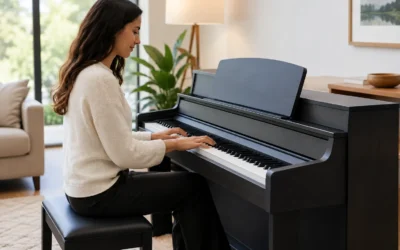
A silent piano earns its place when quiet practice is a regular need rather than an occasional convenience. If a player practices after work, shares a home with light sleepers, lives in an apartment, or wants to keep family life peaceful during long practice sessions, the value is immediate. Headphones give the pianist privacy while preserving the physical feel of a true acoustic action.
This matters more than many first-time buyers expect. A good acoustic action teaches control of weight, repetition, voicing, and dynamic range in ways that inexpensive digital keyboards often cannot. Students preparing for recitals, auditions, or advanced repertoire benefit from spending their daily practice time on an instrument that responds like the pianos they will encounter elsewhere.
For a household that only needs quiet playing once or twice a month, a silent system may be an expensive solution. A quality digital piano in a separate practice area could be more practical. But if silent practice will be used several times each week, it can prevent a familiar problem: a beautiful piano that goes unplayed because its volume is inconvenient.
What a Silent Piano Does Well
The greatest advantage is flexibility. In acoustic mode, the piano fills the room with natural string resonance, cabinet vibration, and the tonal personality of the instrument. In silent mode, a sensor system tracks the keys and pedals while a sound engine delivers piano samples or modeled sound through headphones. Many systems also allow volume control, recording, metronome functions, and connections for learning or composition tools.
The piano remains a piano first. A well-built Yamaha, Kawai, or another premium acoustic instrument still offers the substantial key mechanism, pedals, and musical response that serious players expect. You are not exchanging the acoustic experience for an electronic substitute. You are adding a second way to use the instrument.
This is particularly useful in homes where more than one person plays. One family member may prefer the rich acoustic sound of an upright in the afternoon, while another needs headphones for early-morning technical work. A silent piano accommodates both without requiring two separate instruments or a dedicated sound-isolated room.
For teachers and advanced students, silent mode can also encourage focused listening. With good headphones, players hear unevenness in scales, unclear articulation, and rushed rhythms with surprising clarity. That does not replace acoustic practice, but it can make practice more intentional.
The acoustic piano still determines the experience
The quality of the underlying piano is the central buying decision. A silent system cannot turn a mediocre action, thin tone, or poorly maintained instrument into a premium musical experience. It adds capability, not craftsmanship.
This is why discerning buyers should evaluate the piano in acoustic mode first. Play soft passages, repeated notes, wide dynamic changes, and the repertoire you actually enjoy. Listen for evenness across the keyboard. Feel whether the action supports control rather than fighting your hands. Then test silent mode and confirm that the electronic response feels natural to you.
A carefully selected used or restored premium piano with a properly installed silent system can offer remarkable value. Condition, regulation, tuning stability, and the quality of installation deserve the same attention as brand name and cabinet appearance.
The Trade-Offs Buyers Should Understand
Silent pianos are specialized instruments, and an informed purchase means considering their limitations honestly. The first is price. Factory silent models and professionally retrofitted systems cost more than comparable acoustic pianos without the feature. Buyers are paying for sensors, control hardware, sound technology, installation, and future service considerations.
The second is that silent mode changes the physical behavior slightly. When the hammer stop rail is engaged, the hammers are prevented from striking the strings. On a well-designed and properly adjusted system, the difference should be modest, but sensitive pianists may notice a small change in key feel or escapement. The best way to judge it is to play it yourself, ideally with the type of repertoire you practice most.
Sound is another consideration. Even excellent headphone samples are not the same as standing beside a grand piano with its lid open. Acoustic tone is physical: strings interact, the soundboard moves, and the room becomes part of the instrument. Silent mode offers a highly satisfying private experience, but it cannot fully reproduce that living acoustic presence.
Finally, electronics require care. The acoustic piano will still need regular tuning, regulation, and maintenance. The silent system may eventually need technical support, firmware attention, cable replacement, or component service. Choose a specialist who understands both the acoustic instrument and the system installed inside it. Piano service should never treat the electronics as separate from the action they monitor.
Factory Silent Pianos vs. Retrofitted Systems
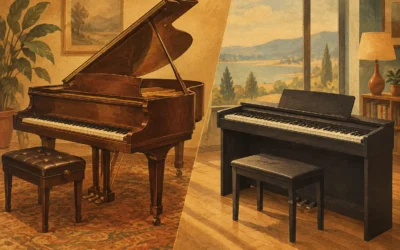
Buyers generally have two paths: purchase a piano built with a factory silent system or add a professional system to a suitable acoustic piano. Neither route is automatically better.
Factory systems are engineered as part of the instrument and can offer excellent integration, refined sensor calibration, and familiar manufacturer support. They are a strong choice for buyers who want current technology in a newer piano and prefer a single manufacturer relationship.
A retrofit can be an intelligent choice when the right piano is a vintage Steinway, a restored Baldwin, or another premium instrument with exceptional musical character. It allows a buyer to prioritize the acoustic piano they love while gaining silent capability. The quality of the system and the installer matter enormously. Proper fitting and regulation protect playability; careless work can compromise it.
Ask direct questions before committing. Which system is installed? Is it factory fitted or retrofitted? Can the technician demonstrate both modes? Has the piano been tuned and regulated after installation? What service support is available if the system develops an issue? These questions are not obstacles to a purchase. They are signs that you are buying at the level the instrument deserves.
Who Should Consider a Silent Piano?
Silent pianos are most worthwhile for buyers who refuse to choose between authentic acoustic playing and considerate living. They suit serious students who need more practice time, professionals who maintain irregular hours, and families who want a long-term instrument that can adapt as schedules change.
They also make sense for studios, teaching environments, and churches where practice may happen outside public hours. In a luxury residence, a silent grand or upright can preserve the visual distinction and musical authority of an acoustic piano while respecting the privacy of the space.
They may be less compelling for collectors focused exclusively on historical originality, or for buyers whose budget is better directed toward a higher-quality traditional acoustic piano. If the choice is between a modest silent piano and a far superior conventional piano, the better acoustic instrument may be the wiser long-term investment. Musical quality should come before features.
A440 Pianos helps buyers assess that balance by looking beyond specifications. The right decision includes the piano’s touch, tonal character, condition, placement, delivery requirements, and the way it will be used in a real home or performance setting.
The most worthwhile silent piano is one that invites more playing without asking you to compromise on the instrument beneath the technology. Choose the acoustic piano you would be proud to own for years, then let silent capability give it more hours in your life.

0 Comments