


A serious piano purchase rarely starts with price alone. It starts with a sound you cannot forget, a cabinet finish that changes the room, or the feeling that one instrument responds exactly the way your hands expect. If you have searched for a luxury piano showroom near me, you are not just looking for inventory. You are looking for confidence, expertise, and a buying experience worthy of the instrument itself.
Luxury pianos occupy a different category from mass-market instruments and anonymous online listings. The best showroom does more than place polished grands under bright lights. It helps you compare tone, touch, age, restoration quality, brand character, and long-term ownership needs with clarity. That matters whether you are furnishing a high-end home, upgrading a student pianist, selecting a church instrument, or adding a statement piece to a performance space.
What a luxury piano showroom near me should offer
A true luxury showroom begins with curation. That means a deep selection of grand pianos, uprights, restored vintage instruments, and premium used models from respected makers such as Steinway, Yamaha, Kawai, Baldwin, and Bluthner. A broad inventory matters because brand reputation alone does not decide the right piano. Within the same brand, one instrument may be bright and projecting while another is warmer, darker, or more intimate.
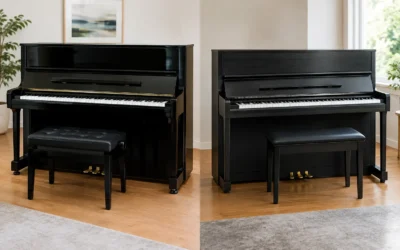
The best showrooms also recognize that visual presence is part of the purchase. Cabinet style, polish, veneers, art-case details, and rare finishes all shape the value of the instrument for the buyer. In luxury spaces, the piano is often both a musical tool and a central design element. That is especially true for crystal grands, high-polish ebony cabinets, and visually distinctive vintage pieces.
Selection alone is not enough, though. High-end buyers need context. A premium showroom should be able to explain the difference between original and rebuilt components, discuss scale design and action feel, and identify where an instrument sits in the market. If the staff cannot tell you why one six-foot grand feels more controlled than another, the showroom may be selling inventory, but it is not delivering expertise.
Why touch and tone matter more than brand names
Prestige brands carry weight for good reason. They offer proven design, market recognition, and long musical histories. But the smartest buyers do not stop at the fallboard name.
Two Steinways can feel completely different. A Yamaha may suit one player’s preference for clarity and precision, while a Baldwin may offer the depth and warmth another buyer wants. A restored vintage piano may deliver more personality than a newer instrument at a similar price point, but it can also vary more from piano to piano. This is where the showroom experience matters.
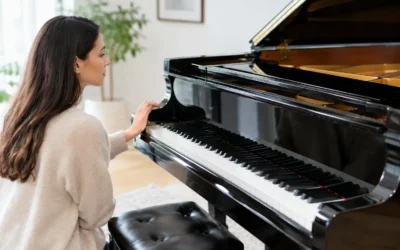
A luxury piano showroom near me should give you the chance to play multiple instruments in person and hear how they respond at soft and full dynamics. Touch can feel light, substantial, quick, or resistant. Tone can be brilliant, mellow, rounded, or highly projecting. There is no universal best choice. There is only the best fit for your room, repertoire, and expectations.
For families and teachers, this point is often overlooked. A piano that impresses in a showroom may be too powerful for a smaller home. A beautiful baby grand may fit the room visually but leave an advancing student wanting more tonal range later. Better showrooms guide buyers through those trade-offs instead of pushing the most expensive instrument on the floor.
New, used, and restored pianos each have a place
Many shoppers assume luxury means brand new. In reality, premium used and restored pianos are often the most compelling value in the market.
A carefully selected used piano can offer excellent performance, strong cabinet condition, and major brand prestige at a far more attractive price than a new counterpart. For many buyers, that means access to a higher tier of instrument without stretching into a category that does not make financial sense.
Restored and rebuilt vintage pianos deserve even closer attention. When the work is done properly, these instruments can combine heritage, musical depth, and visual distinction in a way newer production models sometimes cannot. The phrase properly is the key. Restoration quality varies widely. Some pianos receive true structural and cosmetic attention, while others are cleaned up just enough to look ready for sale.
That is why buyers should ask direct questions. What work was done? Were action parts replaced or regulated? Was the piano restrung? Was the soundboard repaired? How was the cabinet refinished? A reputable luxury showroom will welcome these questions and answer them clearly.
Service separates a premium showroom from a premium-looking one
The instrument is only one part of the purchase. Delivery, setup, tuning, maintenance, and future support all affect whether ownership feels smooth or stressful.
A luxury piano is not a boxed item that arrives on a curb. It requires skilled handling, controlled transport, and post-delivery adjustment. Even a perfectly prepared piano can shift after moving because pianos react to climate, handling, and placement. That is normal. What matters is whether the seller has the service infrastructure to support the instrument after it reaches your home, studio, or venue.
A premium showroom should be able to coordinate delivery with clear pricing, discuss access challenges such as stairs or tight turns, and provide ongoing tuning and repair support. For buyers outside the immediate area, published delivery guidance and nationwide experience can make the process far less uncertain.
This is where a full-service specialist stands apart from marketplace sellers and general furniture-style retailers. A440 Pianos, for example, is built around both premium inventory and the technical services that support ownership after the sale. That combination matters because a luxury purchase should come with expert follow-through, not just a polished sales floor.
How to evaluate the showroom itself
The quality of the showroom environment tells you a great deal before anyone says a word. Instruments should be clean, tuned, and presented in a way that makes comparison easy. Staff should be available without hovering. Answers should be specific, not vague.
If every piano is described as amazing, exclusive, or rare, you are hearing marketing without enough substance. A better showroom explains why one instrument is better for a conservatory student, why another suits a church sanctuary, and why a third makes sense for a buyer who values visual impact as much as musical performance.
Pay attention to whether the team asks smart questions. They should want to know who will play the piano, what space it will occupy, whether the room has stable humidity, and what kind of musical response you prefer. These are not small details. They directly affect long-term satisfaction.
Inventory depth is another signal. A luxury showroom should give you real choices across size, brand, finish, age, and price tier. When a buyer can compare several strong instruments side by side, the decision becomes more informed and far more satisfying.
Buying locally versus buying from a specialist farther away
The phrase near me usually starts as a convenience search, but convenience should not be the only filter. If a local showroom offers weak selection, limited technical support, or little transparency about condition, a nearby option may not be the best option.
For many luxury buyers, the better question is not simply who is closest. It is who can provide the strongest combination of premium inventory, credible preparation, safe delivery, and ongoing service. That may be local, especially for Atlanta and Georgia buyers, or it may involve working with a specialized dealer that serves a wider region.
This is one of the biggest advantages of buying from an established piano specialist rather than an individual seller. With a specialist, the purchase process is usually clearer, delivery is more organized, financing may be available, and support continues after the instrument arrives. For high-value pianos, those factors often matter more than shaving a few miles off the search radius.
The right showroom helps you buy once, not twice
A luxury piano should feel like a lasting decision, not a temporary compromise. The right showroom protects that outcome by helping you choose an instrument that fits your musical goals, your room, and your standards for craftsmanship.
That means honesty about trade-offs. A smaller grand may fit beautifully but not offer the depth of a larger scale. A restored vintage piano may have exceptional character but appeal to a more specific taste. A premium upright can outperform an entry-level grand in some situations. Buyers who understand these nuances make better decisions and enjoy their instruments more.
If you are searching for a luxury piano showroom near me, look for more than proximity. Look for selection with purpose, service with substance, and expertise that respects the size of the investment. The right piano should impress you on the first visit and still feel right years after it enters your home.

0 Comments