


A beginner usually knows within thirty seconds whether a piano feels inviting or frustrating. The keys either respond with control and confidence, or they fight back with stiffness, thin tone, and uneven touch. That is why choosing among the best upright pianos for beginners is not really about finding the cheapest cabinet on the floor. It is about finding an instrument that rewards practice, supports proper technique, and still feels worth owning years from now.
For most first-time buyers, an upright piano makes the most practical sense. It gives you the acoustic touch and sound that shape a student’s ear, but it fits more comfortably into a home, studio, church classroom, or teaching space than a grand. The real question is which upright models deliver lasting value without overwhelming a new player or the family investing in that first instrument.
What makes the best upright pianos for beginners?
A beginner piano should be forgiving, but not dull. It needs a consistent action so a student can build finger strength correctly. It should produce a clear, pleasant tone across the keyboard, because weak bass notes or harsh upper registers can make practice feel like work in the wrong way.
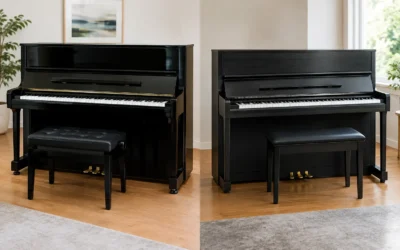
Cabinet size matters too. A taller upright generally gives you longer strings and a larger soundboard, which often means more tonal depth. That sounds attractive, and often is, but a very large professional upright can be more piano than a true beginner needs, especially in a smaller room. The best fit depends on the player, the space, and whether this is a short-term starter piano or a long-term musical investment.
Condition is just as important as brand. A respected name on the fallboard does not guarantee a good beginner experience if the piano has worn hammers, unstable tuning, sluggish action centers, or years of deferred maintenance. A properly prepared used piano from a premium specialist will often outperform a cheaper instrument with a famous logo and no meaningful service history.
9 upright pianos worth considering
Yamaha U1
The Yamaha U1 has earned its reputation for a reason. It offers a balanced action, clear tone, and reliability that make it one of the safest choices for beginners and advancing students alike. Teachers recommend it often because it gives honest feedback without feeling punishing.
For a beginner, that consistency matters. A U1 can carry a student from first lessons into serious study, which makes it more than an entry-level purchase. Its sound can feel bright in some rooms, so placement and voicing matter, but in terms of dependable performance, it remains a benchmark.
Yamaha P22
The P22 was built with institutional use in mind, which means durability is part of its appeal. Schools and teaching studios have relied on this model for decades because it tolerates regular use and holds up well when maintained correctly.
For home buyers, the trade-off is that it can feel a little more practical than luxurious. Still, if your priority is a tough, serviceable piano with a direct, reliable touch, it is one of the stronger beginner choices on the market.
Kawai K-300
The Kawai K-300 is a refined option for buyers who want a slightly warmer tonal personality than many comparable Yamahas. Its action is responsive and controlled, and many beginners find it comfortable from the first sitting.
This is an especially strong choice for families who expect a student to progress steadily. It has enough musical range to satisfy a beginner while still offering the color and dynamic potential that more advanced players appreciate. That broader appeal can make it a smart long-term purchase.
Kawai 506N or similar console models
Not every beginner needs a studio upright. A quality console from Kawai can be a very sensible fit when space, budget, and home aesthetics all matter. Models in this category are often easier to place in a living room while still giving a respectable acoustic playing experience.
The limitation is scale. A console generally will not produce the same depth or projection as a taller upright. But if the piano is well-prepared and the action is even, a good Kawai console can serve a new student very well.
Baldwin Hamilton Studio
The Baldwin Hamilton has long been respected as an American studio piano with substance. These pianos are known for solid construction, a satisfying middle register, and a feel that can help beginners develop control without excessive effort.
Because many Hamiltons are older, condition becomes the deciding factor. A properly rebuilt or carefully serviced Baldwin can be an outstanding first acoustic piano. A neglected one can quickly become a maintenance project. This is where buying from a specialist matters.
Baldwin Acrosonic
The Acrosonic is one of the most recognizable American-made console pianos, and a good one can still be a charming first instrument. It often appeals to buyers who want vintage style along with a warm, approachable sound.
That said, these pianos vary widely based on age and upkeep. Some are excellent beginner pianos with real musical character. Others are purchased for nostalgia and end up disappointing on touch and tuning stability. It depends heavily on preparation and inspection.
Steinway upright models
A Steinway upright may not be the first suggestion people expect for beginners, but it can be a compelling one for buyers who value prestige, craftsmanship, and long-term ownership. A well-restored Steinway upright offers tonal richness and cabinet quality that many entry-level instruments simply cannot match.
The trade-off is price and specificity. Not every beginner needs a premium legacy instrument, and some older Steinway uprights can have a heavier touch than a young student prefers. But for serious music families or buyers who want their first piano to be a lasting part of the home, it can be a distinguished choice.
Essex upright
Essex pianos, designed to offer a more accessible path into premium piano ownership, often attract buyers who want a polished cabinet and brand-backed design philosophy at a more moderate price point than top-tier handcrafted instruments.
For beginners, an Essex upright can strike a useful balance between musical value and visual presence. It is not simply about furniture appeal. When properly prepped, these pianos can provide a pleasing, controlled playing experience with enough refinement to keep a student engaged.
Boston upright
Boston uprights are often chosen by buyers who want a step up in scale, build, and tonal sophistication without moving into the highest luxury price bracket. They tend to offer strong projection and a more substantial feel than many starter pianos.
For a complete beginner, this may be more piano than strictly necessary. But for a household with multiple players, a committed student, or a teacher investing in a studio instrument, a Boston upright can make excellent sense.
How to choose the right beginner upright piano
The best purchase usually starts with touch, not brand. A beginner needs an action that feels even from one end of the keyboard to the other. If certain keys are heavier, slower, or less responsive, a student will compensate with bad habits.
Tone comes next. Some families shop with their eyes and forget that they will hear this instrument every day. A bright piano can sound lively and articulate, while a warmer one may feel rounder and more forgiving. Neither is automatically better. It depends on the room, the repertoire, and what inspires the player to sit down and practice.
Height is another practical consideration. Taller uprights generally outperform smaller consoles in tonal depth, but they also take up more visual space and often command a higher price. If the beginner is very young or the home is compact, a premium console may be the better fit. If the student is already progressing quickly, a studio or full upright often gives more room to grow.
Used versus new is where many smart buyers find the best value. A new entry-level piano can be attractive because it is untouched, but a premium used Yamaha, Kawai, Baldwin, or Steinway that has been properly serviced may deliver a far better musical experience for the same investment. This is especially true when the seller can also handle delivery, tuning, and follow-up service.
Why service matters as much as the piano itself
A beginner piano is not a boxed product. It is a living acoustic instrument that responds to climate, movement, and regular use. That means the buying experience should include more than a quick sale.
Professional delivery protects the piano and the home. Post-move tuning matters because every acoustic piano needs time to settle after transport. Inspection, regulation, and voicing all affect whether the instrument feels premium or disappointing. For many buyers, the real value is not only in the piano selected, but in the expertise behind it.
That is one reason many serious families and first-time buyers prefer working with a specialist such as A440 Pianos rather than taking a chance on an untreated private-sale instrument. The difference shows up not just on delivery day, but six months later when the piano still plays the way it should.
Best upright pianos for beginners by buyer type
If you want the safest all-around choice, the Yamaha U1 and Kawai K-300 remain two of the strongest options. If durability and teaching practicality come first, the Yamaha P22 and Baldwin Hamilton deserve close attention. If space and style matter most, a quality Kawai console or Baldwin Acrosonic can be a smart fit.
For buyers who see the first piano as a meaningful long-term investment, Boston, Essex, and select Steinway uprights offer a more elevated ownership experience. These are not impulse purchases, and they should not be. A good beginner piano should make practice easier now and still feel valuable when the player is no longer a beginner.
The right upright does more than help someone start lessons. It changes how often they play, how well they listen, and whether the instrument becomes part of daily life instead of part of the furniture.

0 Comments